
Where We Go From Cheyenne
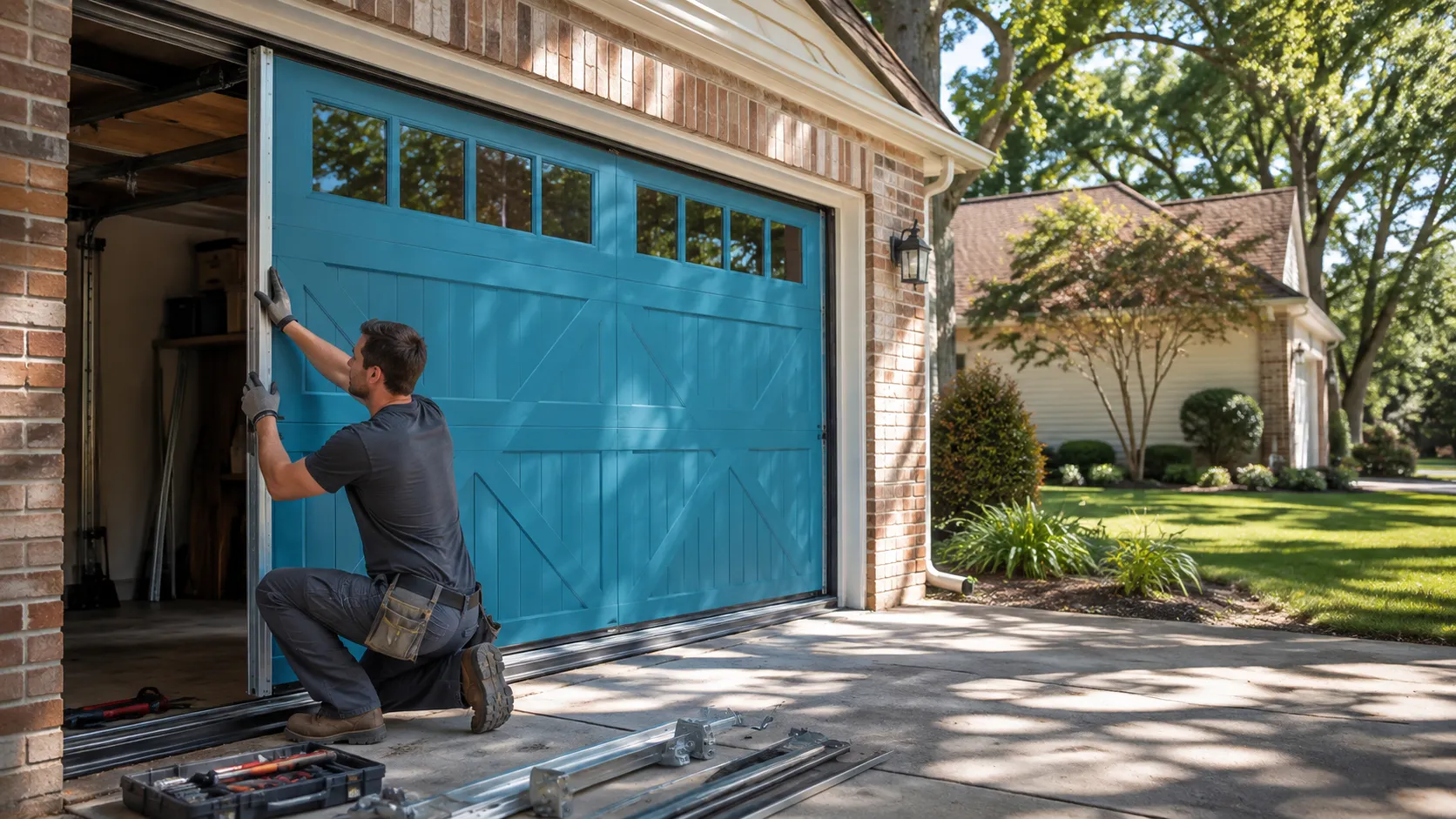
Cheyenne Garage Door Pros travels out from Cheyenne to Fox Farm-College, South Greeley, and the Ranchettes, matching repairs to each area's housing age and hardware.
Cheyenne-area neighborhoods & nearby communities we cover
Nearby communities
What You Pay For
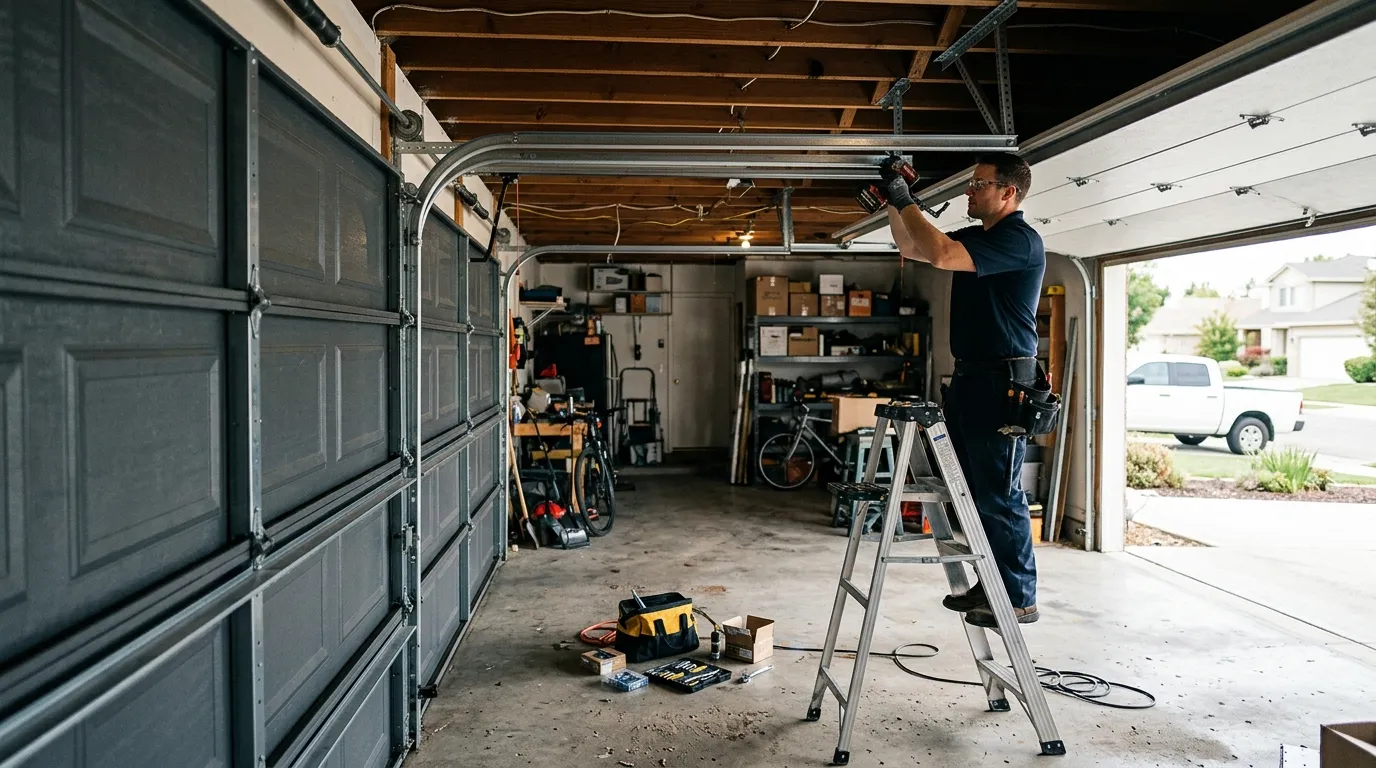
You're not paying for a shop with your name on the lease in every neighborhood we list below. We're based in Cheyenne and we drive out to you, so what you're paying for is a truck stocked for the kind of door your area actually has. Most of the housing across this service area went up between 1989 and 1992, which means a lot of the openers and torsion springs on the road right now are original or one replacement removed from original. That's a narrow window of hardware to plan parts around, and it's why we ask the build era of your house before we ask what's wrong with the door - it tells us half the answer already. One honest limit: if your opener is a discontinued board from that early-90s run and the part isn't stocked anywhere regionally, we'll tell you that on the phone rather than have you wait on a truck for a part that isn't coming. Sometimes the right call is a new opener, not a patched one. You're also paying for someone who knows that a 1990s door on a 1980s track isn't the same repair as a straight same-era match, and prices the visit accordingly once we see it.'
How a Call Goes
You call, we ask where you are relative to Cheyenne and roughly when your house was built, because those two answers shape what's likely wrong before a truck ever leaves. Cheyenne sits in a severe cold climate band, and that matters for garage doors specifically: cold snaps stiffen torsion springs and shrink metal tracks just enough to throw rollers, so a lot of our calls in winter are doors that worked fine in September and started binding once temperatures dropped hard. We'll ask if the door is slow, off-track, or dead at the wall button, then give you a window, not a guess dressed up as a promise. When we arrive we look at the housing era first - late-80s stock in one pocket of the service area can carry different spring counts and drum sizes than a house built in 1992 two miles over - so the same complaint doesn't always mean the same fix. We diagnose on site, quote before we touch anything further, and do the work if you say go. If the fix isn't worth it against a full door swap, we'll say so before you spend money on a repair that just delays the real decision.
Areas We Cover
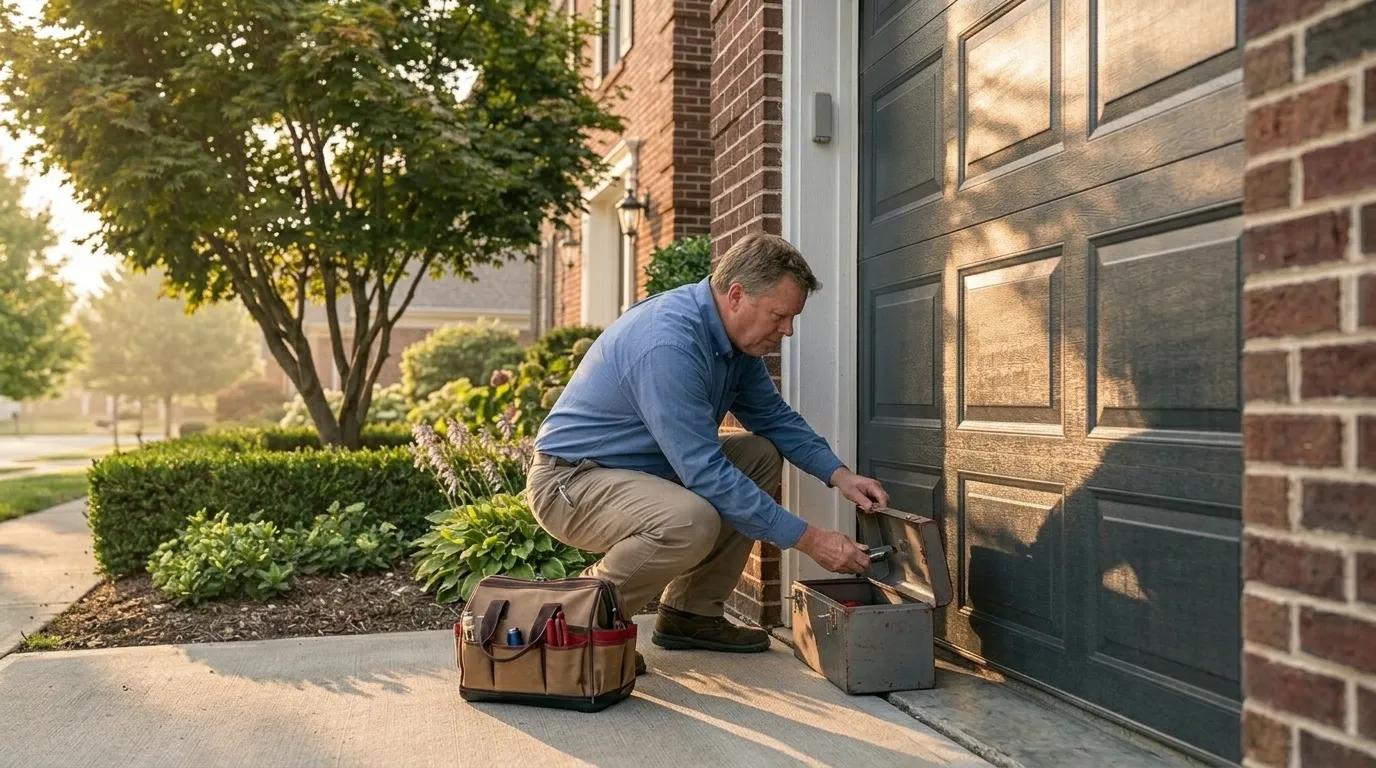
We travel out from Cheyenne to three areas, listed here by distance, not by any office we keep there. Fox Farm-College, about a mile out, sits closest and shares the service area's broader mix of 1980s and 90s builds - expect original torsion springs nearing the end of their cycle count and openers that are candidates for a control-board swap rather than a full replacement. South Greeley, roughly two miles from Cheyenne, runs the same era of stock, so the common call there is similar: worn rollers and softened cables on doors installed when the house was new. The Ranchettes, about six miles out, is the longest drive of the three and still falls inside that same 1989-1992 window that defines most of this service area's housing, so the failures we see aren't different in kind, just further from the shop, which we build into scheduling rather than into the price of the fix. Across all three, the constant is the housing age - not a landmark or a side of town - so if you're not sure which area you're in, telling us your build year does the job just as well.
What to expect
Diagnosis first
Every visit starts by finding what actually failed - not a pre-written parts list.
The right part for the door
Springs and openers matched to the door’s weight and age, so the fix holds up.
Straight answers
When a repair makes more sense than a replacement - or the reverse - you hear it plainly.
Clean, careful work
Tension released safely, hardware set true, the door tested under power before we leave.
Frequently asked
Straight answers about garage door repair in Cheyenne. Still unsure? Ask us directly.
How old is my garage door likely to be if I bought a house built in the early 1990s here?
If your house was part of the wave built between 1989 and 1992, which covers a lot of Fox Farm-College and South Greeley, your garage door and its hardware are likely original to that build. Torsion springs from that era are well past their expected cycle life, so a sudden break isn't unusual - it's overdue.
Do you cover the Ranchettes?
Yes. The Ranchettes run about six miles out, which is farther than Fox Farm-College or South Greeley, but it's within the area we work. Calls from farther out get scheduled into the route rather than turned away - just expect a slightly wider arrival window than a call closer in.
Why do springs and rollers break more in winter here?
Cheyenne's climate falls into the severe end of the cold band, and steel torsion springs fatigue faster under big temperature swings, while nylon rollers get brittle and crack in sustained cold rather than wearing evenly. That combination is why winter tends to bring a spike in both kinds of failure.
Is it worth repairing a door from the early 1990s or should I replace it?
It depends on what's failing. A single broken spring on an otherwise sound door is usually worth fixing. But once you're looking at a cracked panel, worn track, and an original opener all at once on a 30-plus-year-old door, the repair and replacement costs often land close enough that replacement makes more sense long term.
Ready to get your garage door sorted?
Tell us what it’s doing and where you are in Cheyenne - we’ll take it from there.