What the Repair Takes
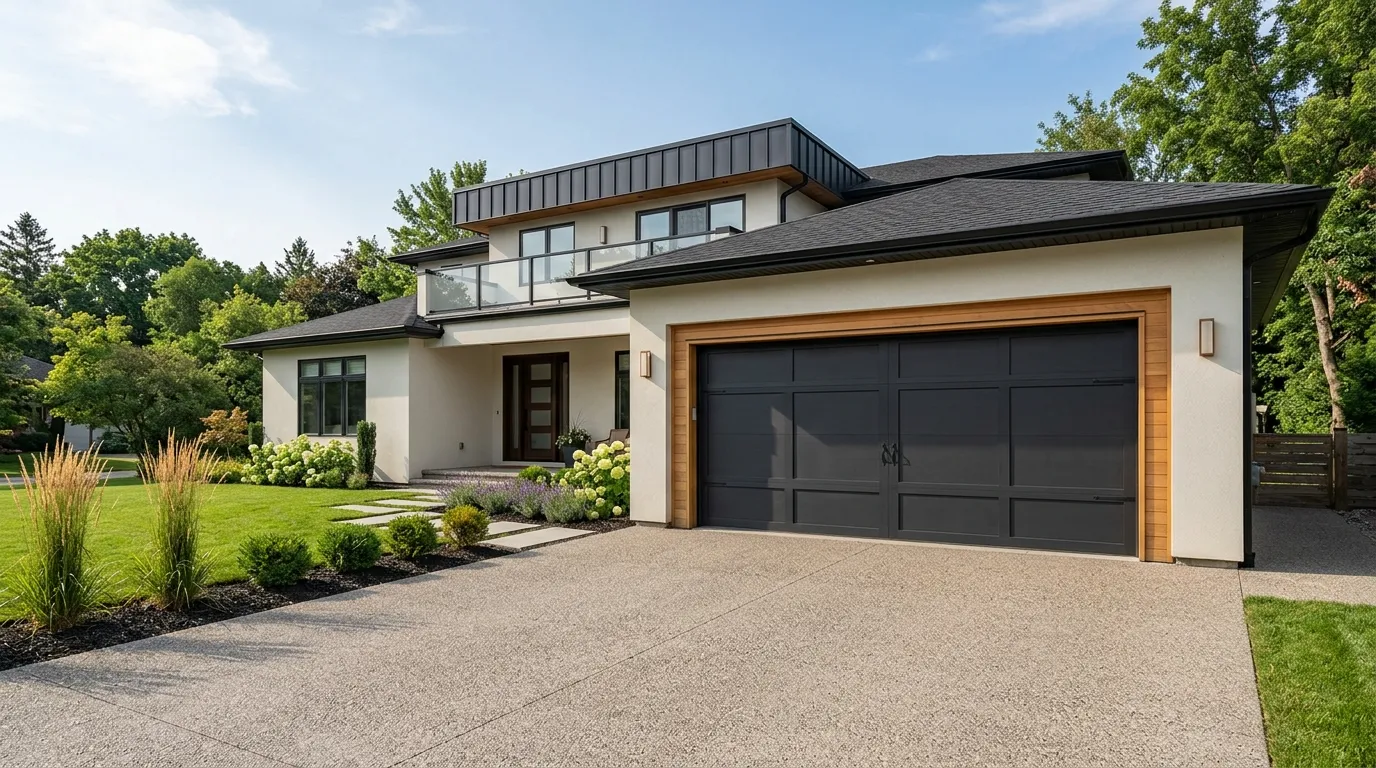
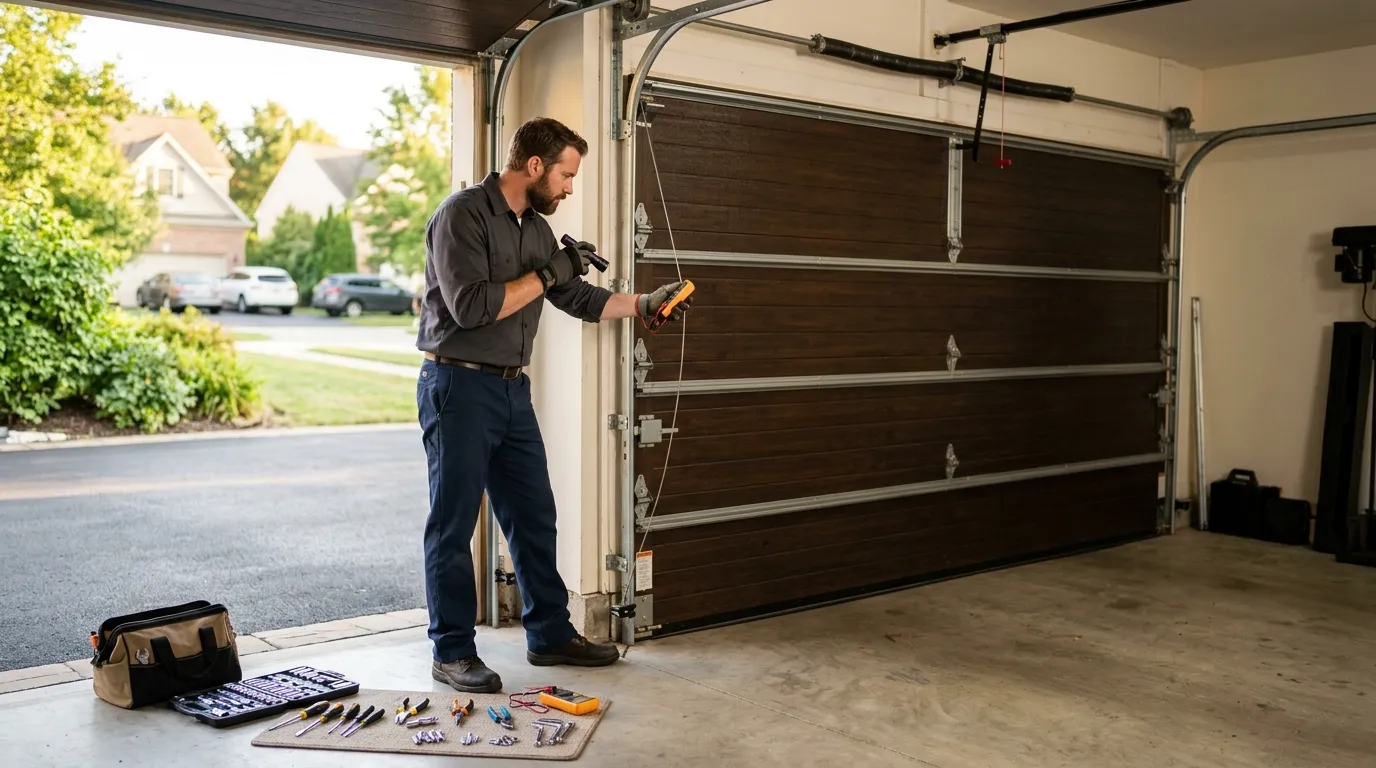
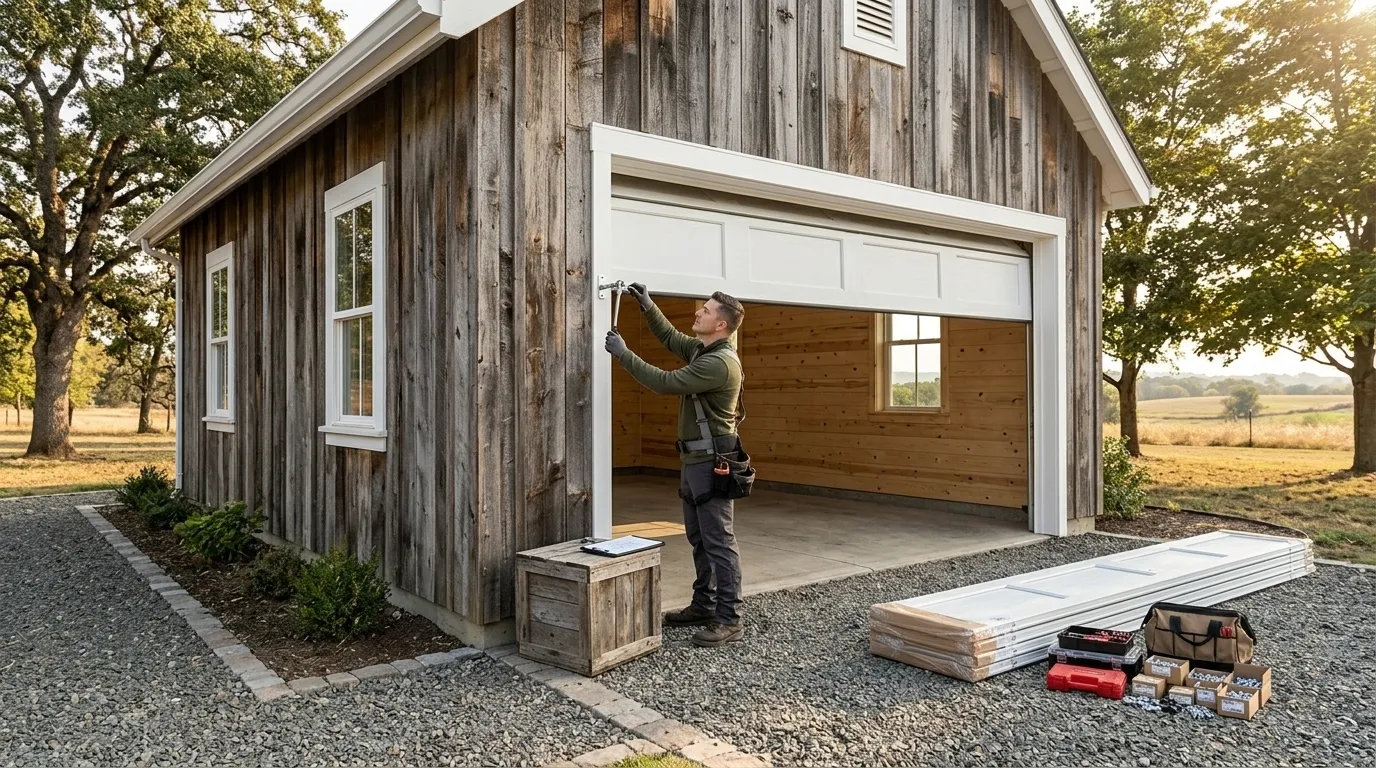
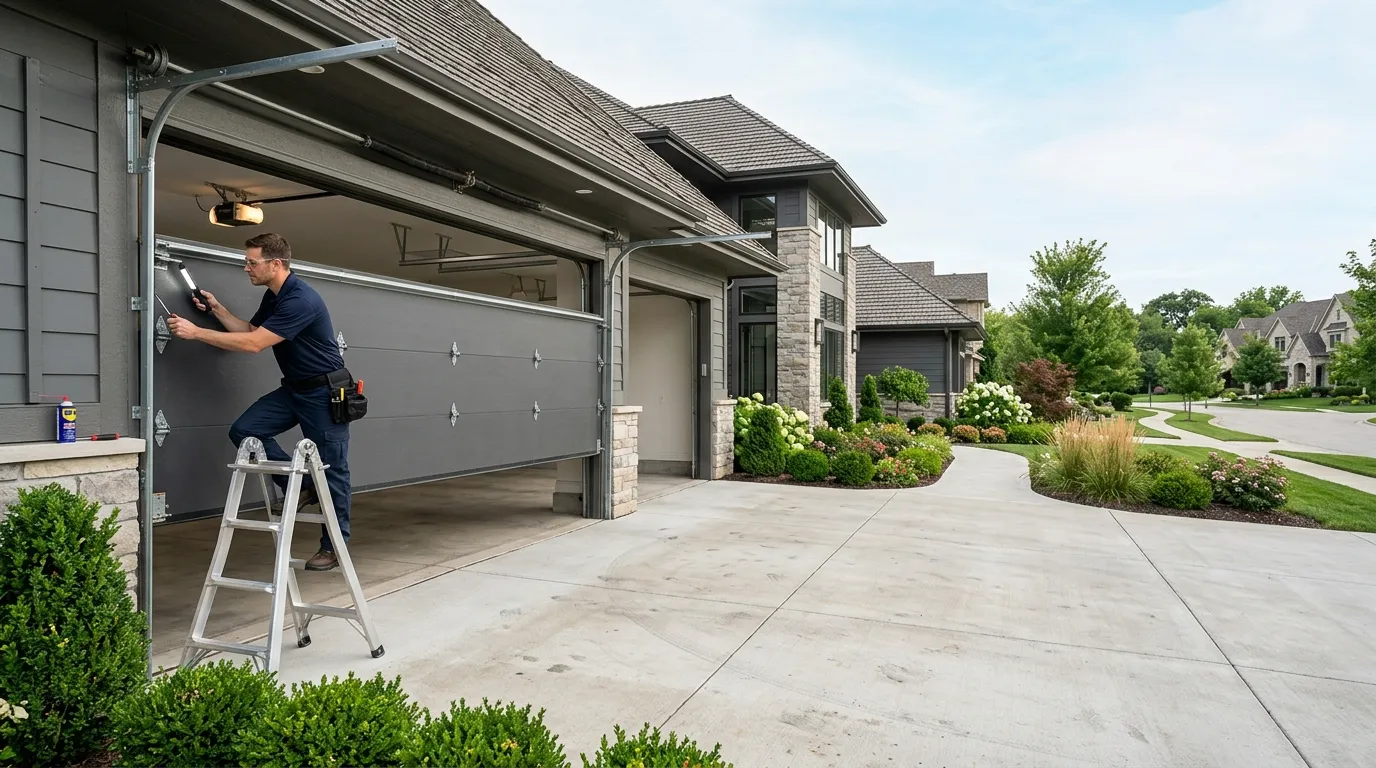
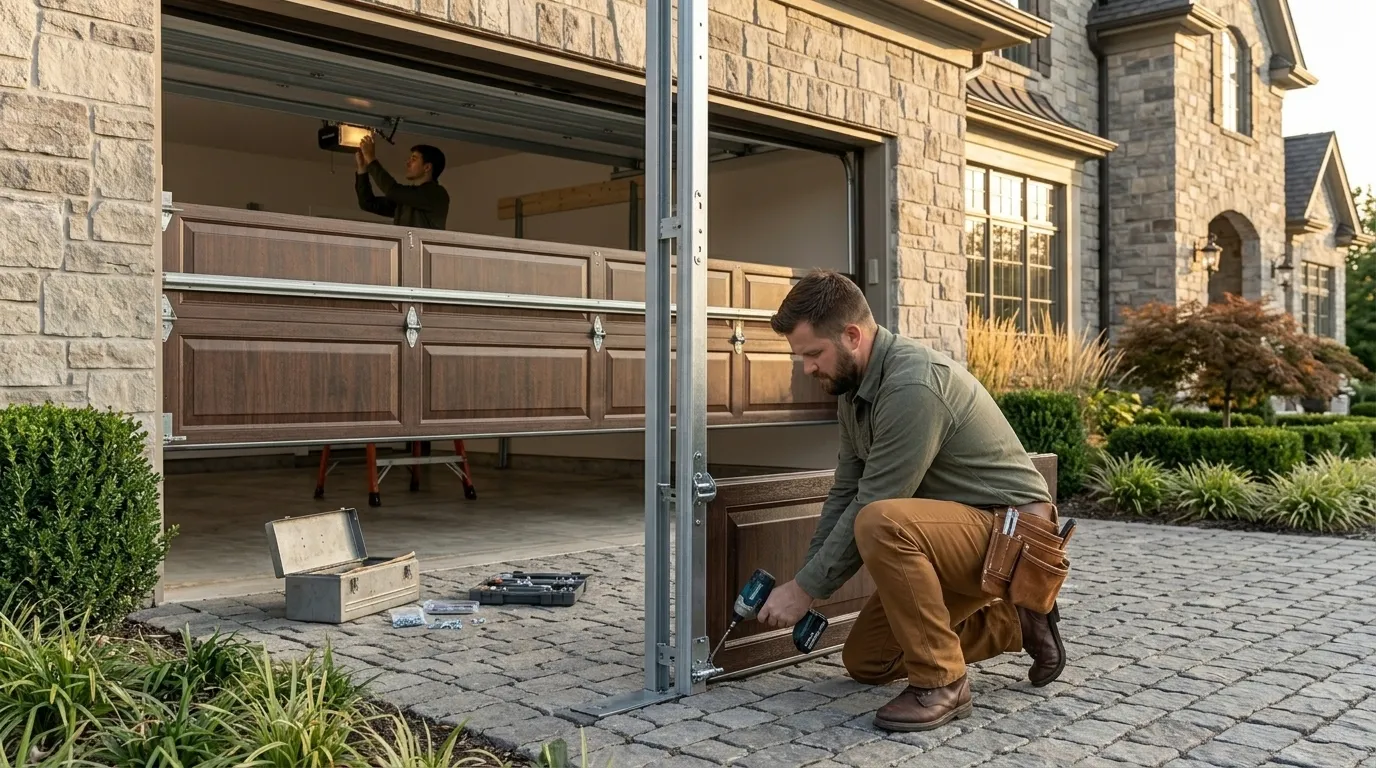
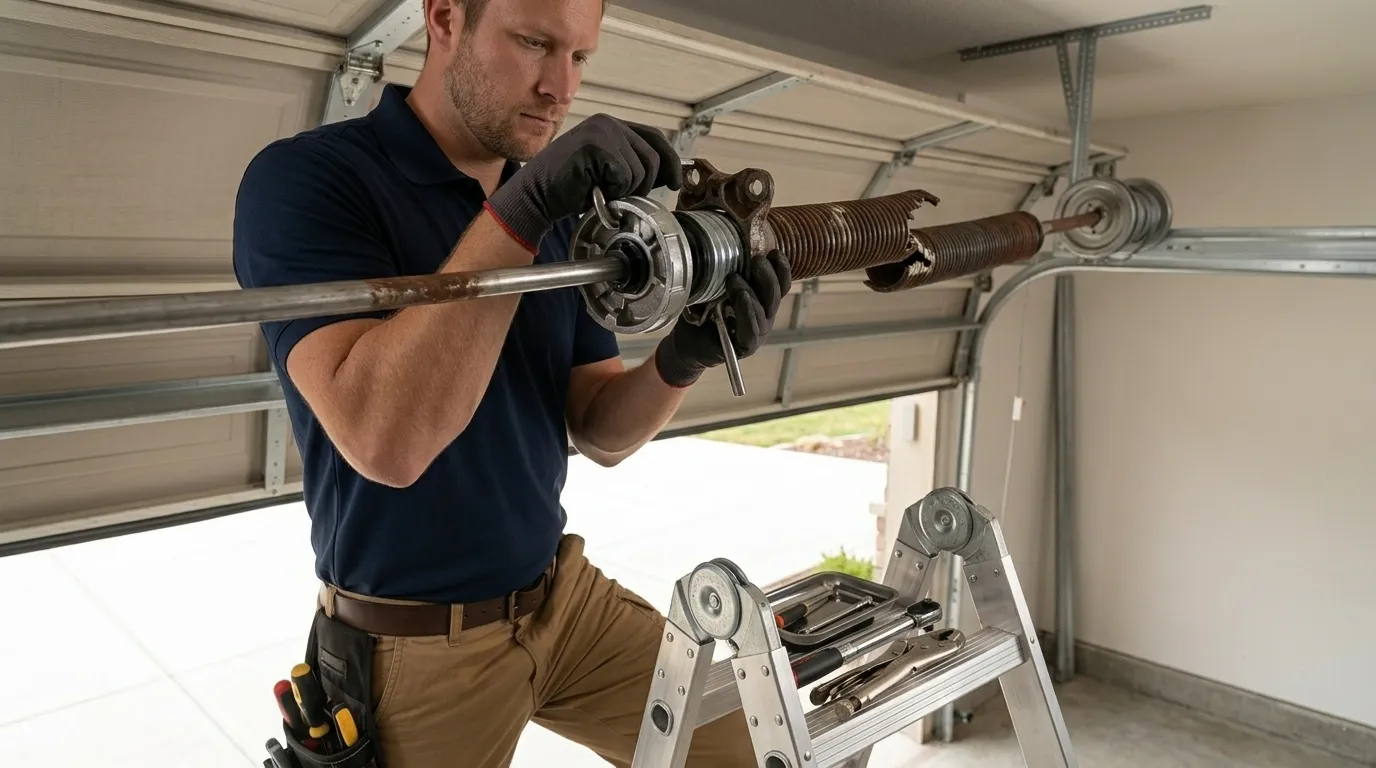
Almost every house in Fox Farm-College went up in a tight window around 1990. That means the garage doors on this side of town are almost all steel sectional units, hung on standard 16x7 or 9x7 openings, running on torsion springs mounted above the door rather than the older extension-spring setups. Panels from this era are usually single-layer steel, sometimes with a thin foam backing, not the thicker insulated doors you'd find on newer construction. That construction matters for repair because these doors carry more raw steel weight on the spring system than a modern insulated door of the same size, and after thirty-plus years the springs, cables, and rollers on the original hardware are near or past their working life. A repair here often means replacing a torsion spring that's lost tension, not just tightening a bolt. We carry spring sizes that match this vintage of door, since a mismatched spring on a steel door this size either won't lift it evenly or will wear out the opener trying to compensate. If the track has racked out of square from decades of use, that gets checked and reset before anything else, because a spring job on a bent track just fails again in a few months.
How Long You Are Without the Door
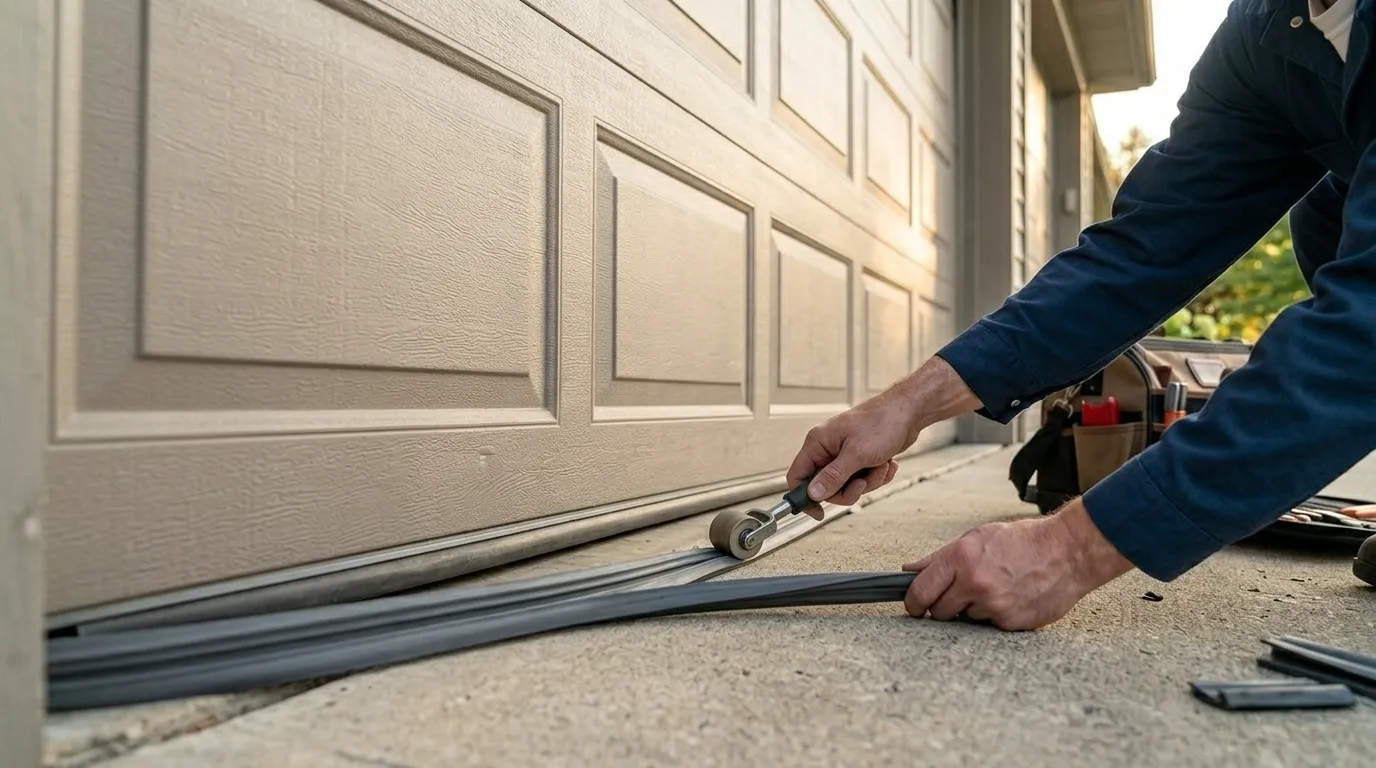
A torsion spring swap, cable replacement, or roller service on this style of door is usually a same-visit job once the truck is on-site - the parts for this era of door are common ones we stock, not special-order items. Where it takes longer is when the opener has been laboring against a weak spring for months and has burned out a gear or a circuit board along with it; diagnosing that on top of the spring adds time to the visit. We travel the one mile in from Cheyenne to reach Fox Farm-College, so there's no separate branch stop before we get to your door - the drive is short and doesn't add meaningfully to the job. The honest limitation: if a panel is bent or rusted through and needs a matching replacement panel for a thirty-year-old door, that part isn't always something we can pull off a shelf, and getting the exact match can take longer than the repair itself.
The Symptom
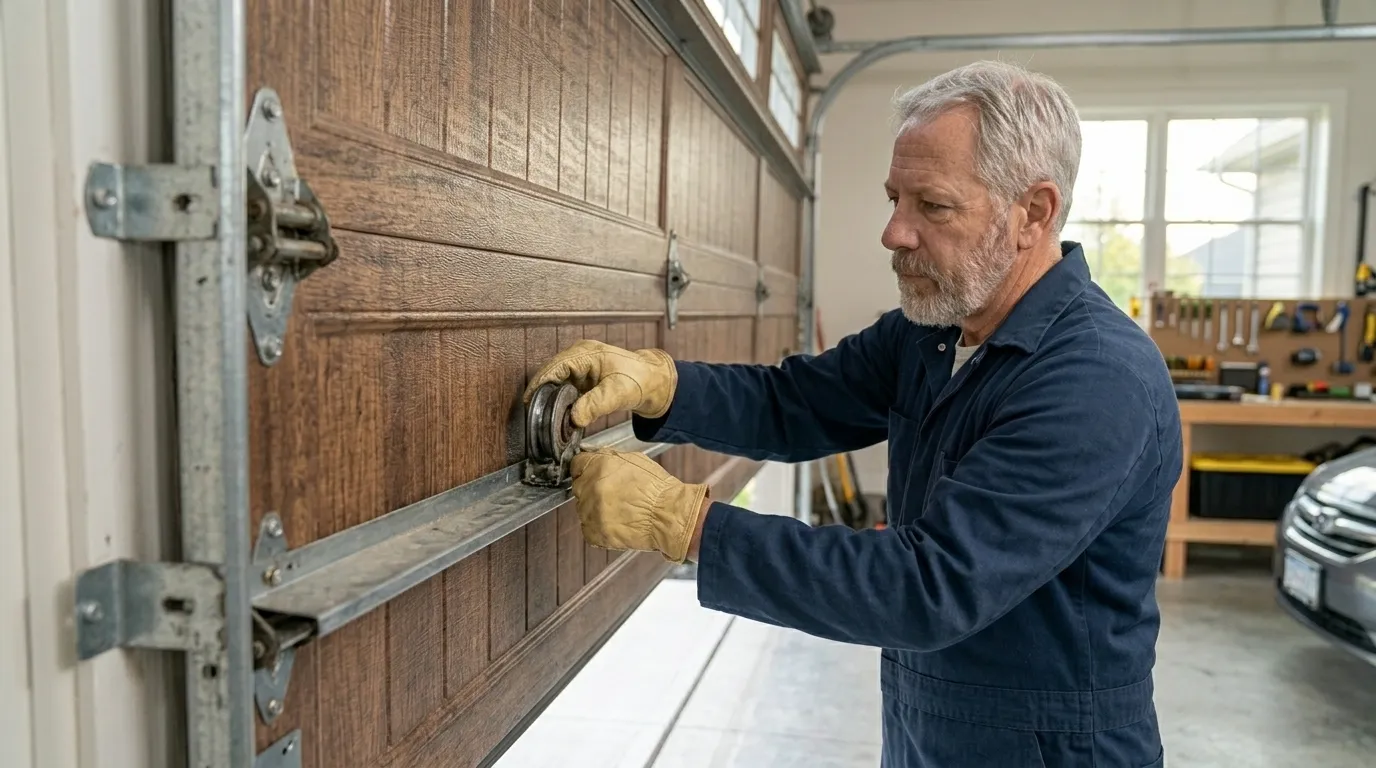
The most common call from this part of town is a door that won't budge, or one that the opener strains against and then reverses. On a house from this era, that's almost always the torsion spring - either it's snapped clean, which you'll hear as a loud bang from the garage, or it's stretched out and lost tension gradually, which just feels like the door getting heavier week by week. A close second is a cable that's frayed or jumped its drum, which shows up as the door hanging crooked on one side. Rattling or grinding when the door moves usually points to original steel rollers that have worn flat after decades of use. If your opener is running but the door isn't moving, or is only moving a few inches before stopping, that's a broken spring more often than a broken opener - worth checking before you replace a motor that was never the problem.
Booking a Visit
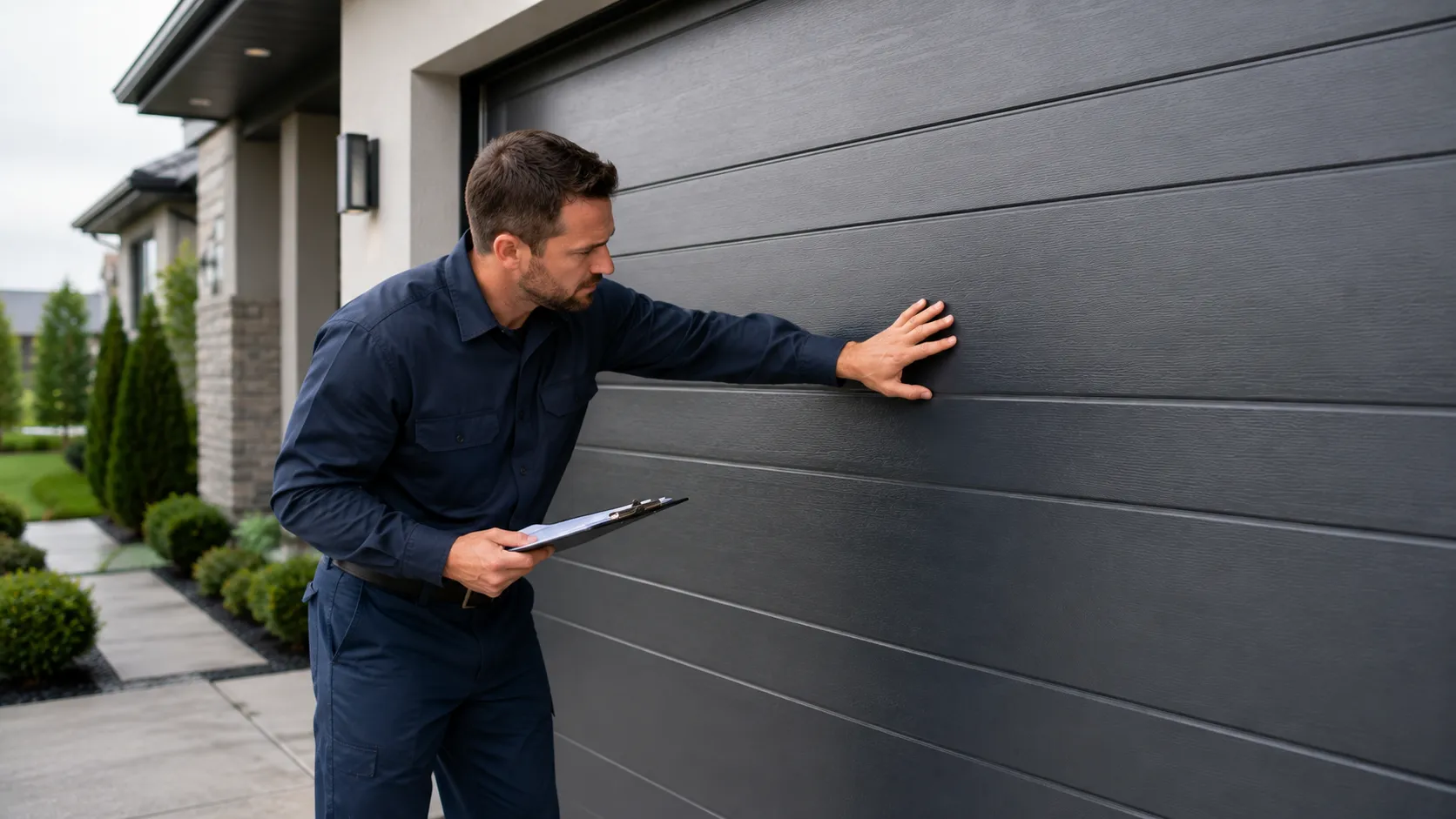
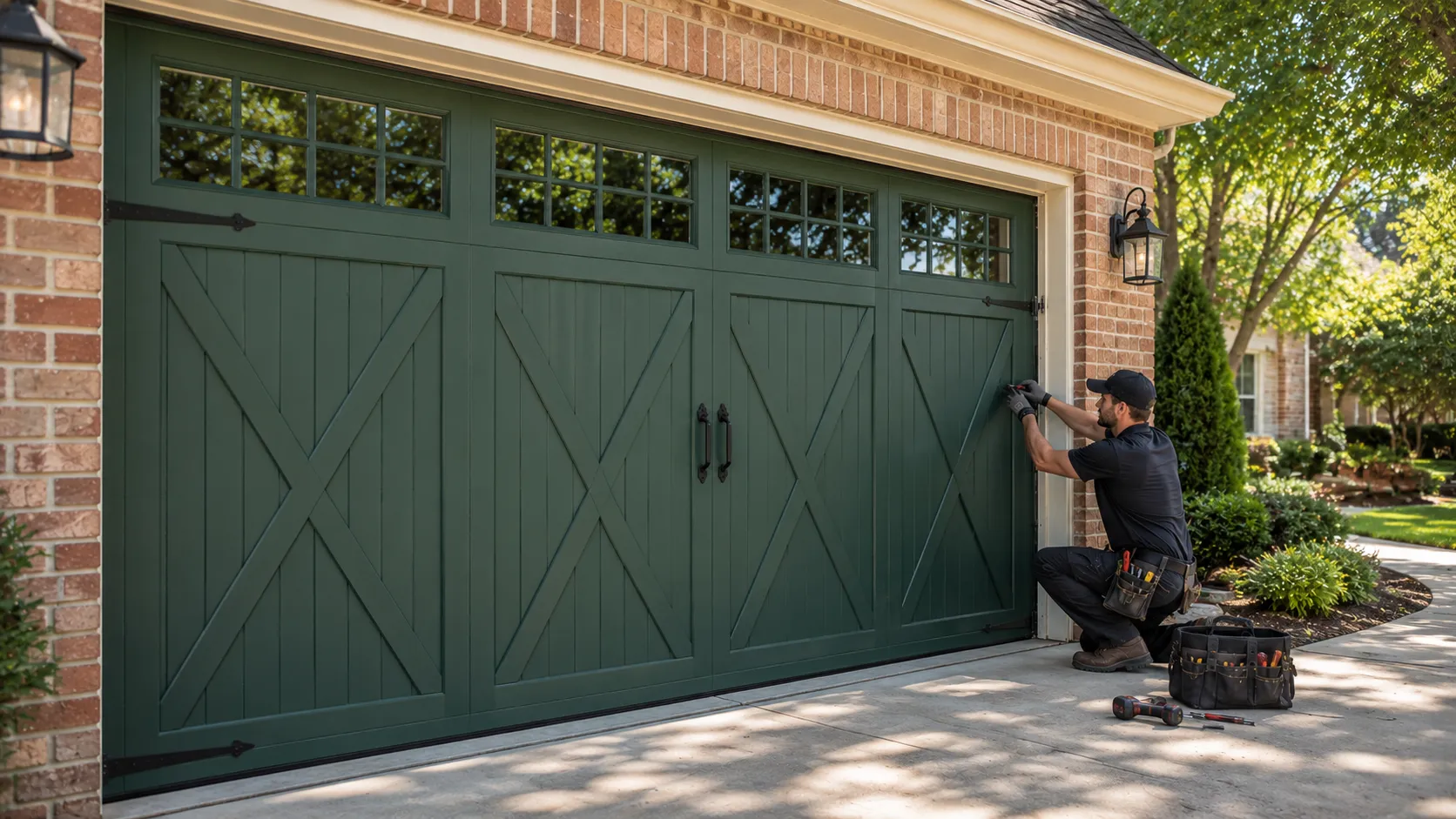
If your door in Fox Farm-College is heavy, stuck, or making a noise it didn't make last month, that's worth a call before it fails completely and traps a car inside. We drive out from Cheyenne, look at the actual spring, cable, and track on your door, and tell you straight what it needs. See our page on Fox Farm-College garage doors for more on what we cover here, or the main Cheyenne garage door repair page for the full service area.