What the Repair Takes
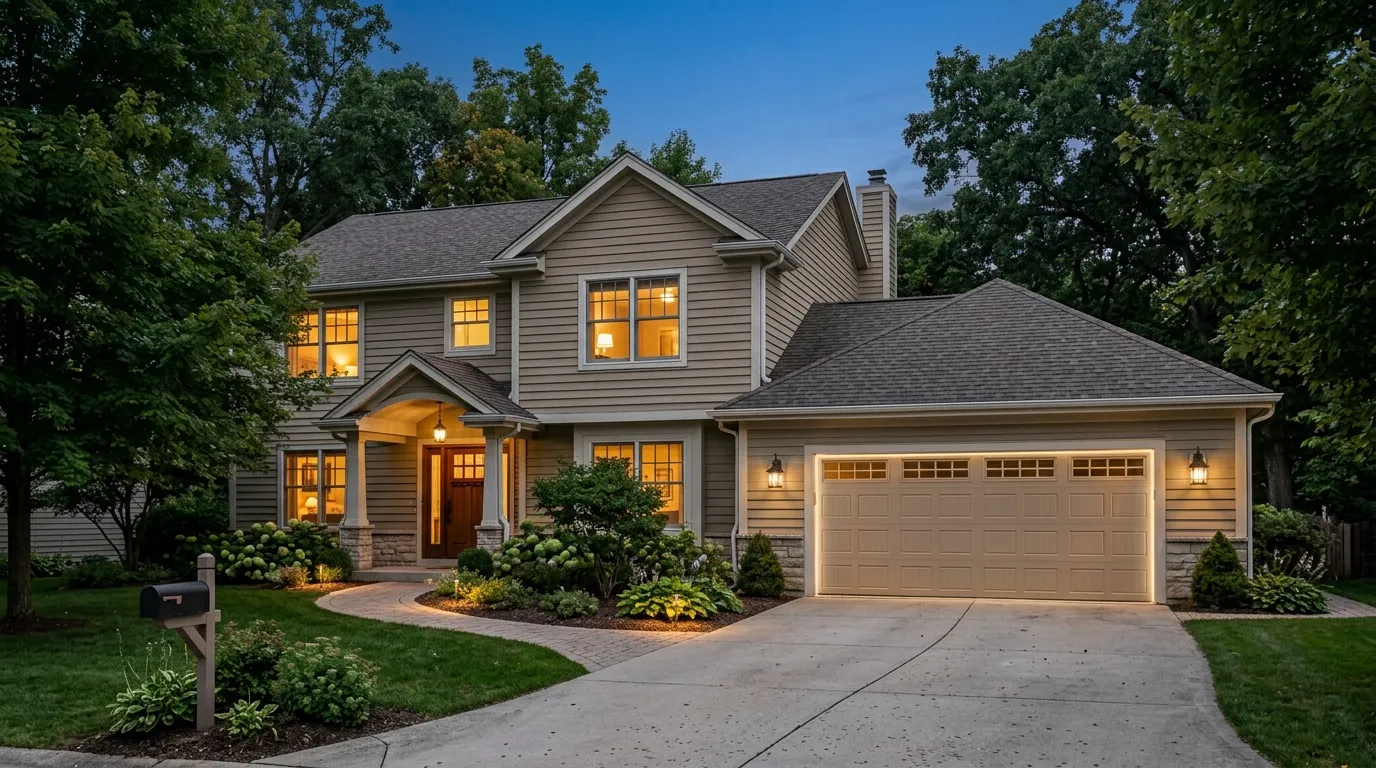
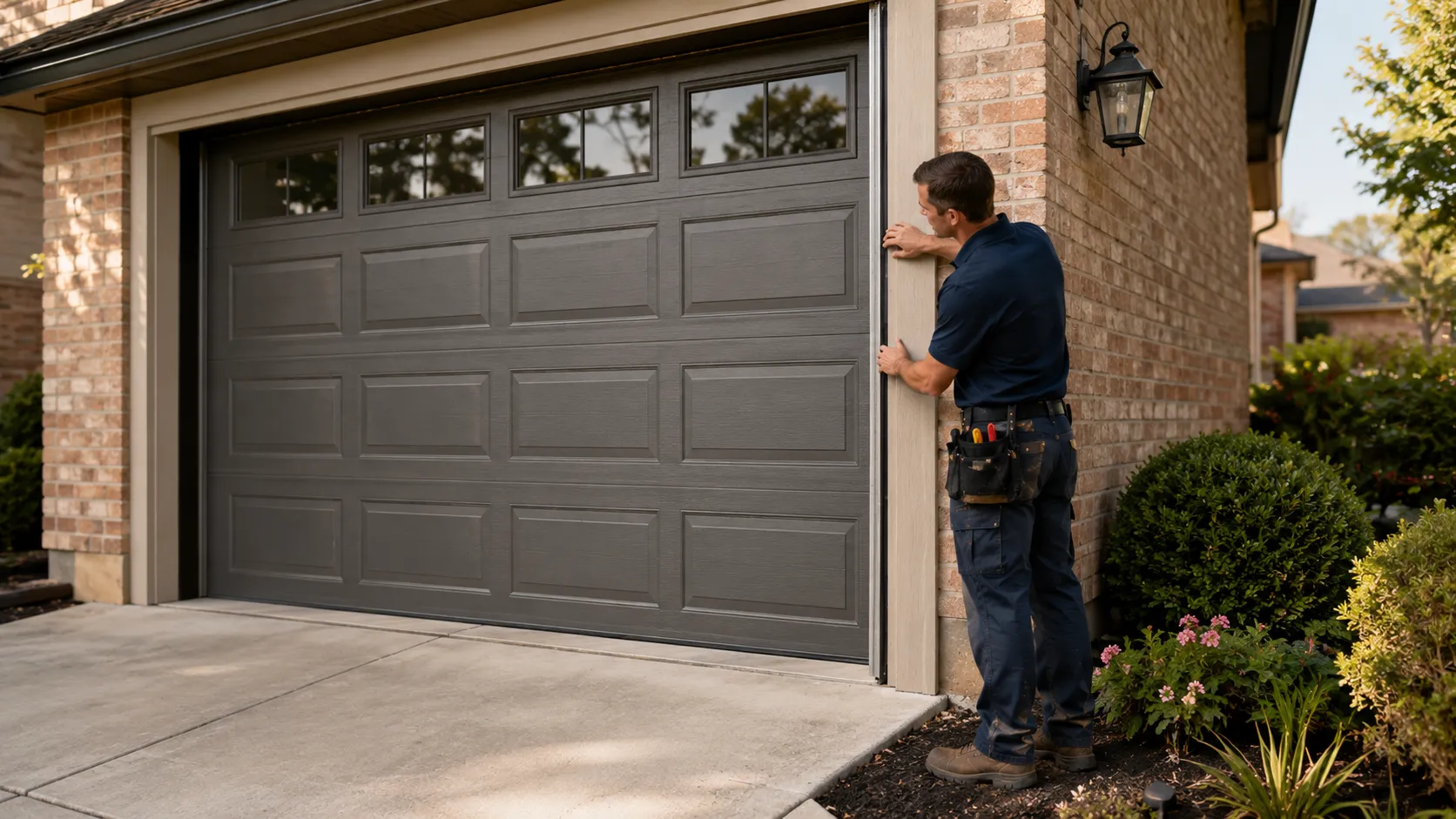
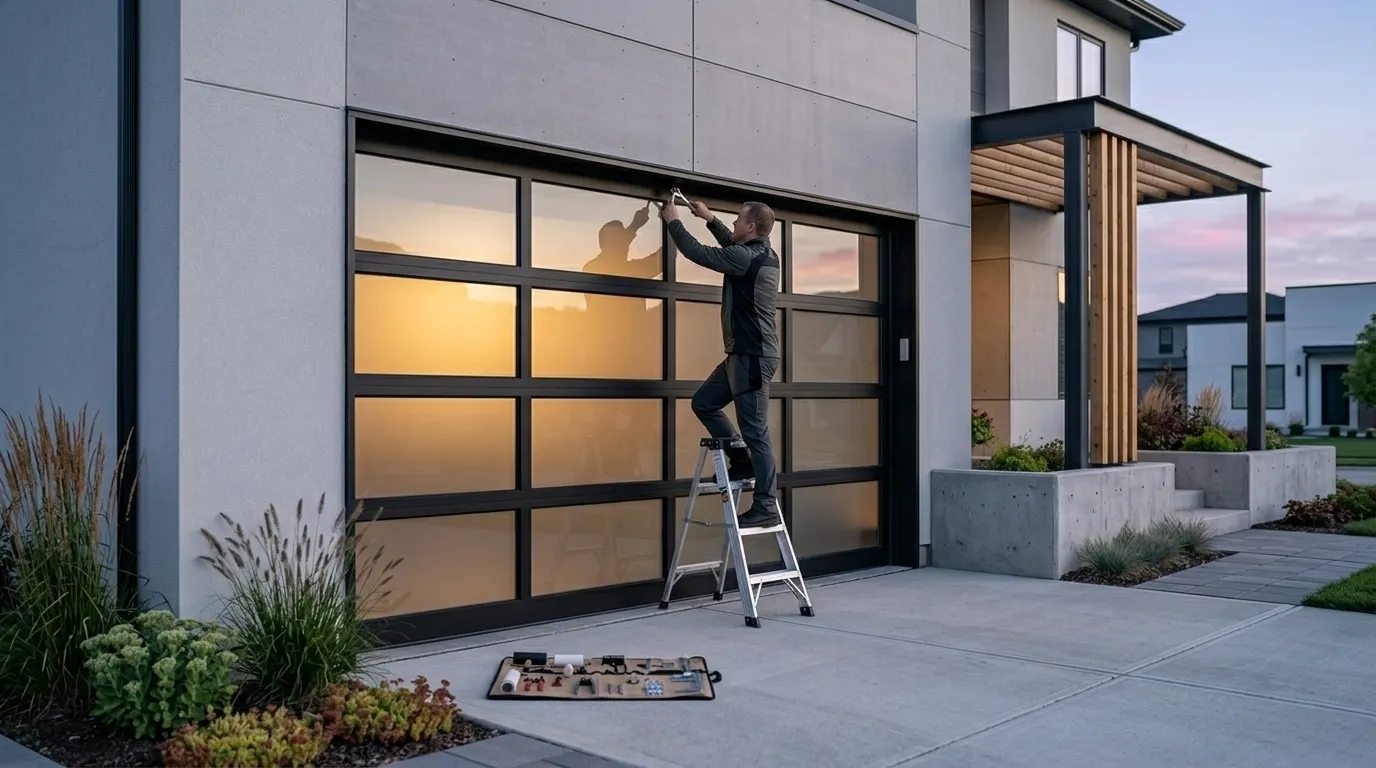
Fox Farm-College sits about a mile out from our shop in Cheyenne, close enough that the drive itself isn't the story. What matters is what's waiting at the other end: houses that mostly went up between 1989 and 1992, with the median build year sitting right around 1990. That one fact decides most of the job before we ever pull a tape measure. Openings from that era are almost always standard 16-by-7 or 9-by-7 rough framing, not the odd widths you sometimes find on older stock closer to town. That means stock-size doors fit without shimming out the jambs, and we're not custom-ordering a frame to match a house built before double-car garages were assumed. The short drive also means we can bring both a measuring visit and the install crew out the same week rather than splitting them across two separate trips scheduled weeks apart. What we can't do is treat every house here the same - a few properties on the edge of Fox Farm-College sit closer to the Ranchettes side, six miles further out, and those can run slightly older framing that needs a second look before we quote the opening.
How Long You Are Without the Door
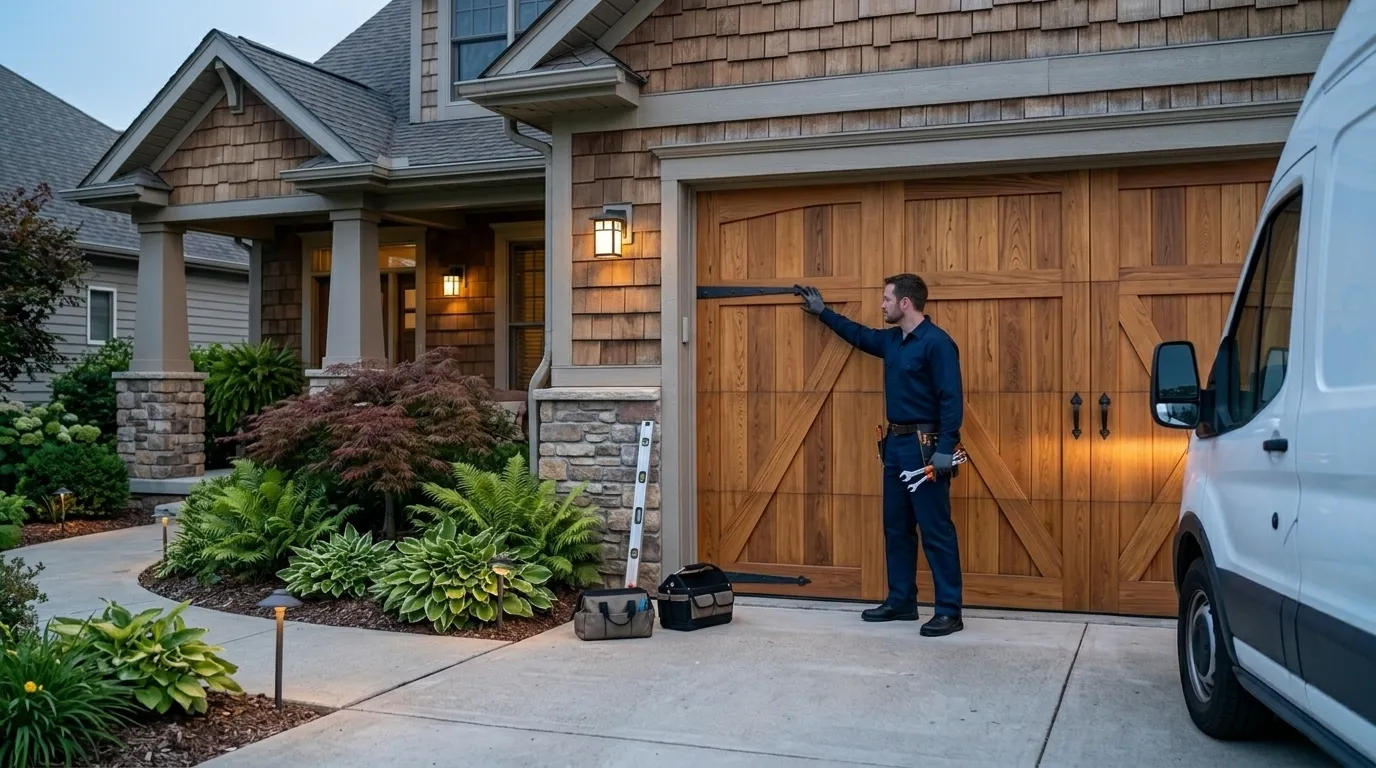
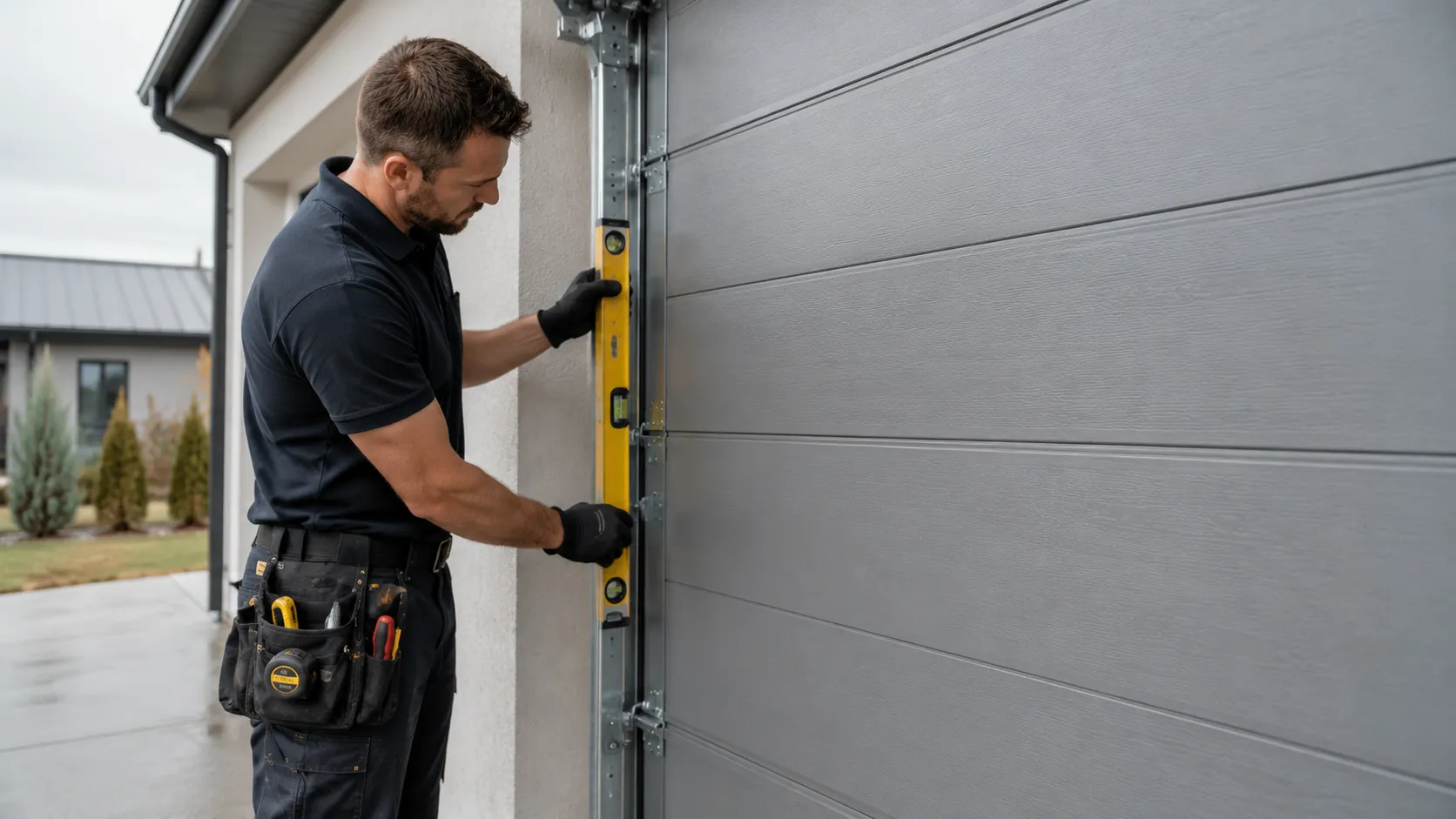
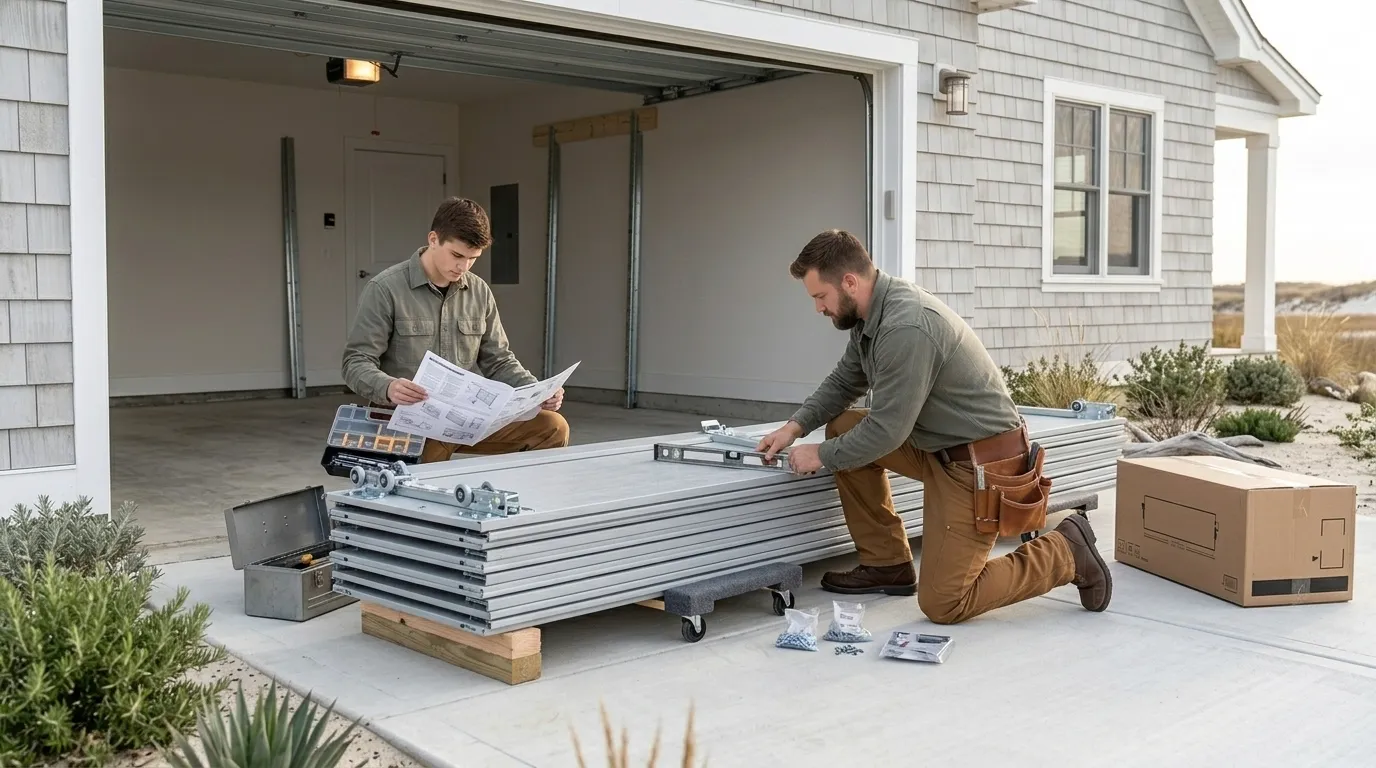
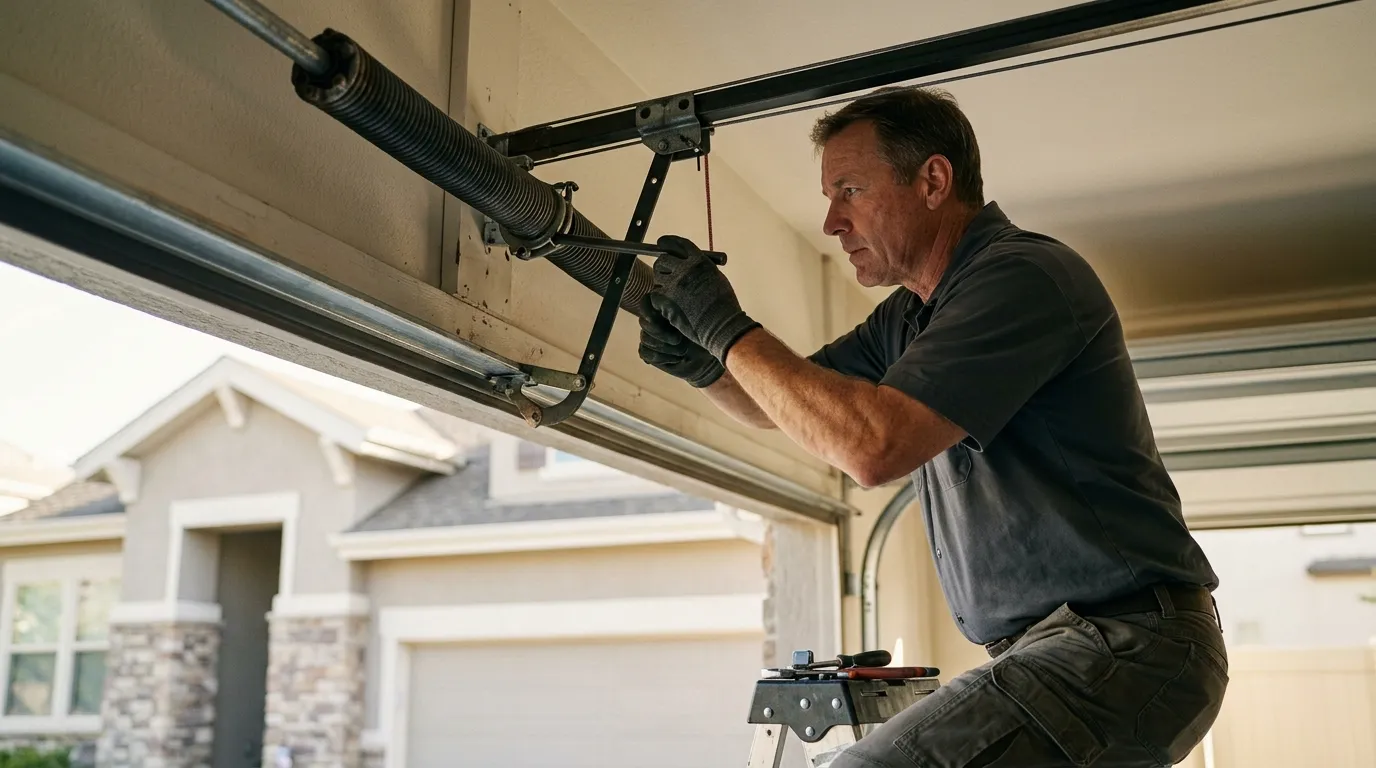
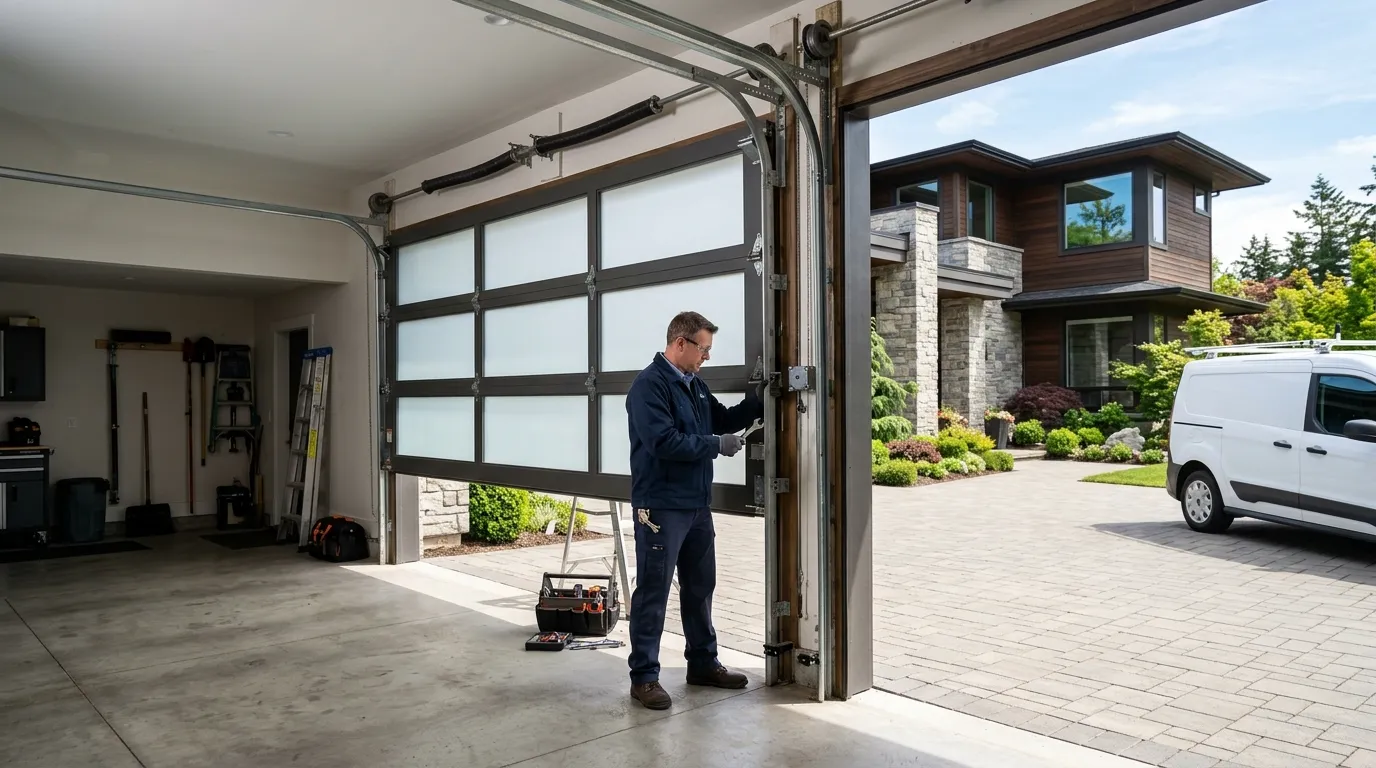
A new install on a standard 1990-era opening is usually a one-day job once the door and hardware are on the truck. The part that stretches the timeline is ordering: if you want anything outside our common stock widths, insulated sections rated for this area's cold, or a specific R-value panel, that door has to come in from a supplier and we don't control that lead time. We'll tell you the honest window when we quote it rather than guess low. For most Fox Farm-College homes, because the openings are consistent 1990s framing, we're not waiting on custom track or jamb hardware, which keeps the gap between the visit and the install shorter than it would be on an older or non-standard house. If you're replacing a door that's already failed - broken spring, cable off the drum - you're looking at a longer stretch without a working door than a planned replacement, simply because the parts order starts later.
The Symptom
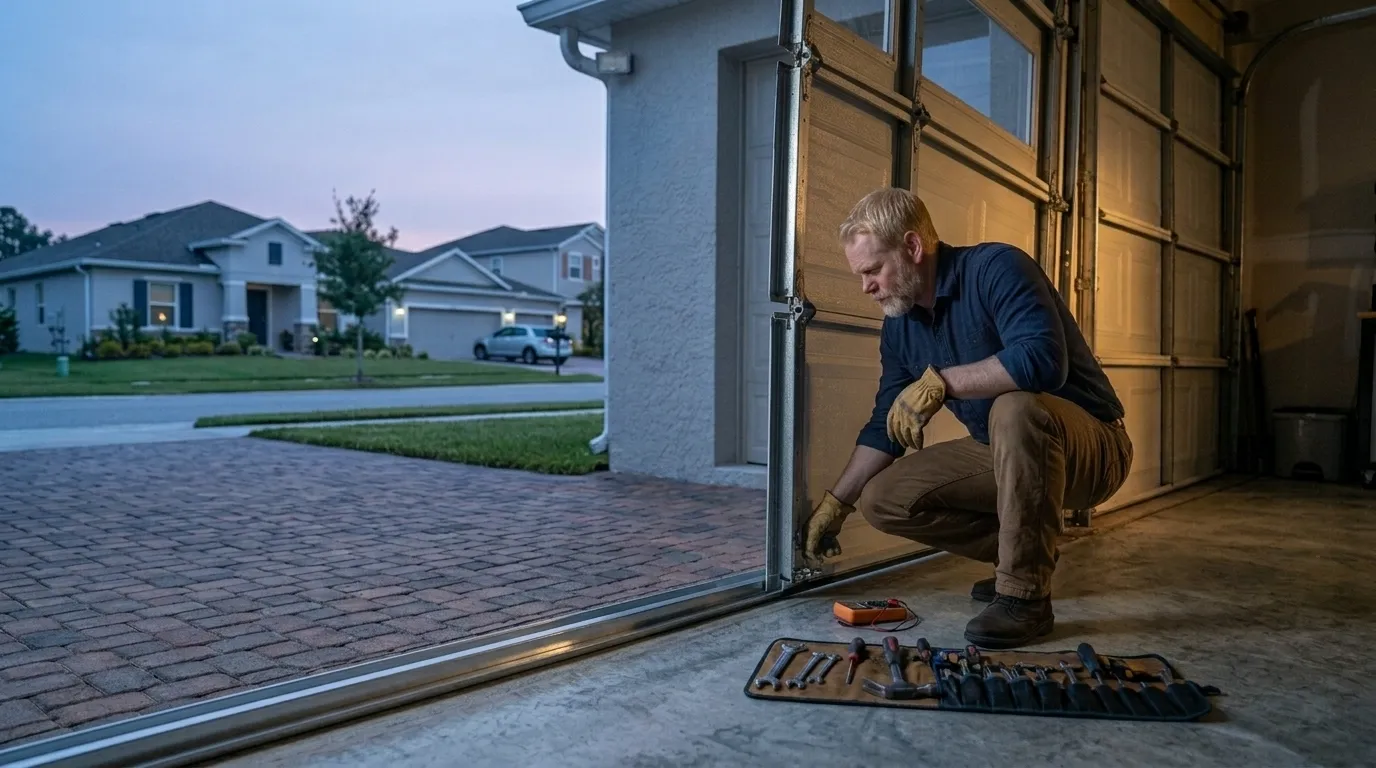
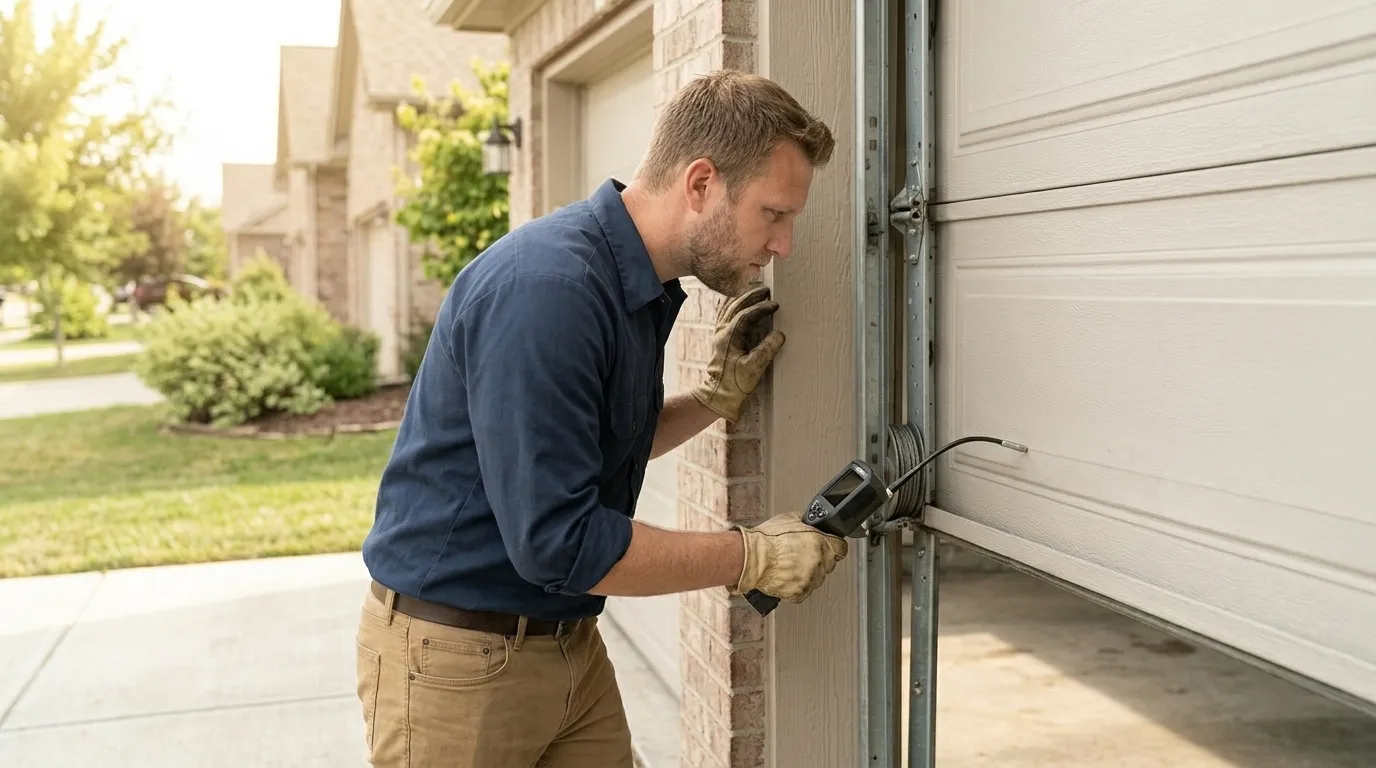
The calls we get from this stretch of Fox Farm-College tend to describe the same thing: daylight or a cold draft along the bottom or sides of the door in winter, sometimes frost forming on the inside panel. On a house from this era, that's rarely the opener or the springs - it's a steel or aluminum door from the original 1990s build that was never insulated to begin with, paired with weatherstripping that's hardened past the point of sealing anything. Owners often ask for a repair quote first. Sometimes that's the right call - a new bottom seal and astragal can buy a few more winters on an otherwise sound door. But once the panels themselves are thin single-layer steel from a 1990-era build, patching the seal doesn't fix the cold coming through the panel itself, and that's the point where replacement is the honest answer instead of another repair.
Booking a Visit
We cover Fox Farm-College from our Cheyenne shop, about a mile away, along with South Greeley and the Ranchettes further out. Because the drive is short, we can usually get someone out to measure and quote within the same week you call. Bring us the age of your house if you know it - anything close to that 1990 median build year tells us most of what we need before we even see the opening. For more on how we handle jobs in this specific area, see our page for Fox Farm-College garage doors. If you're comparing a new install against a repair, or want to see how installation work looks across the whole service area we run out of Cheyenne, that's covered on our garage door installation page for Cheyenne, WY.