What the Repair Takes
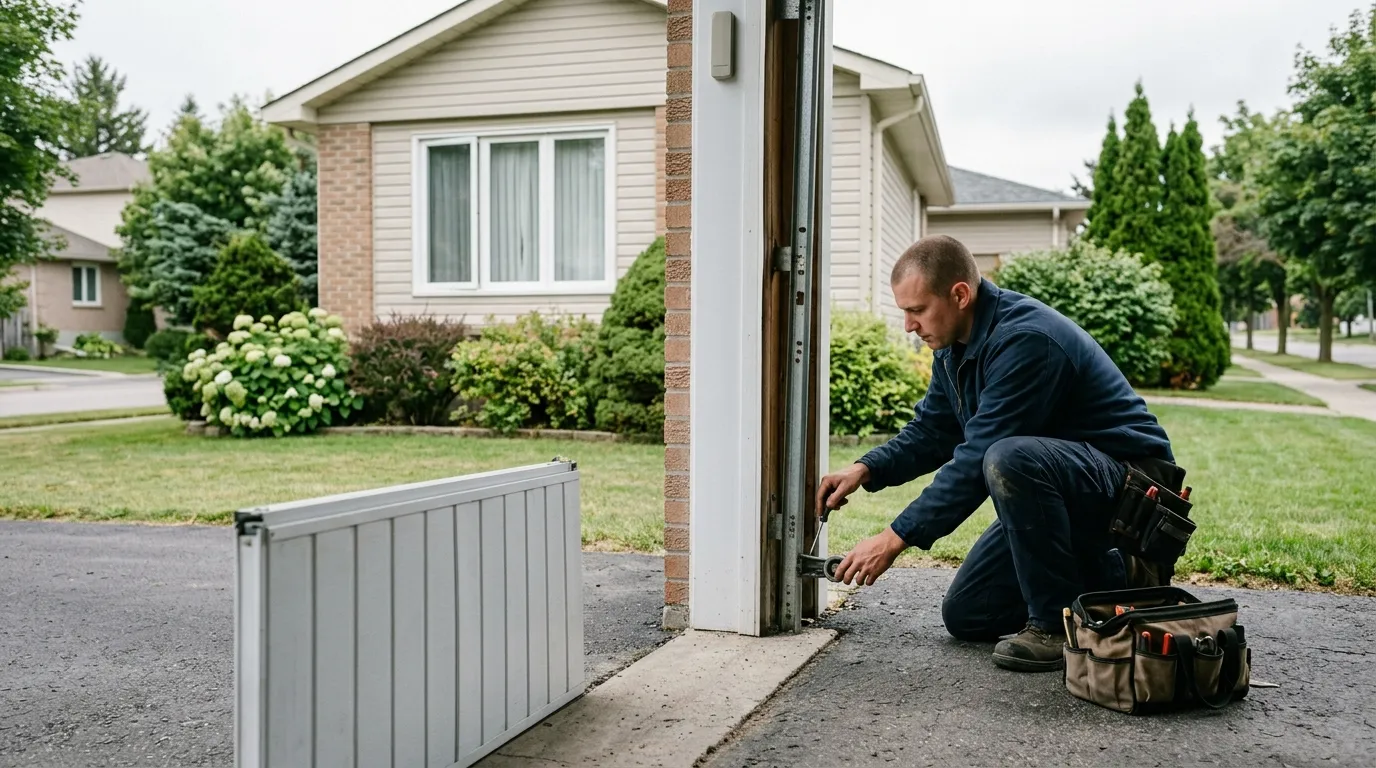
The fault we see most in this part of the county is a roller that's gone from round to flat on one side, or a nylon roller with the wheel split clean off the stem. Either way, the door starts grinding sideways in the track instead of rolling, and the track edges get chewed up fast if it runs long enough.
Fox Farm-College sits right at the edge of Cheyenne's growth, and most of the houses here went up between 1989 and 1992 - the same build wave that put a lot of stamped-steel track and unsealed steel rollers on garage doors across this whole stretch. That hardware is now over three decades old. Steel rollers don't fail from wear so much as from fatigue: the axle pin works loose in its bracket, or the roller itself pits and stops turning smoothly on the stem.
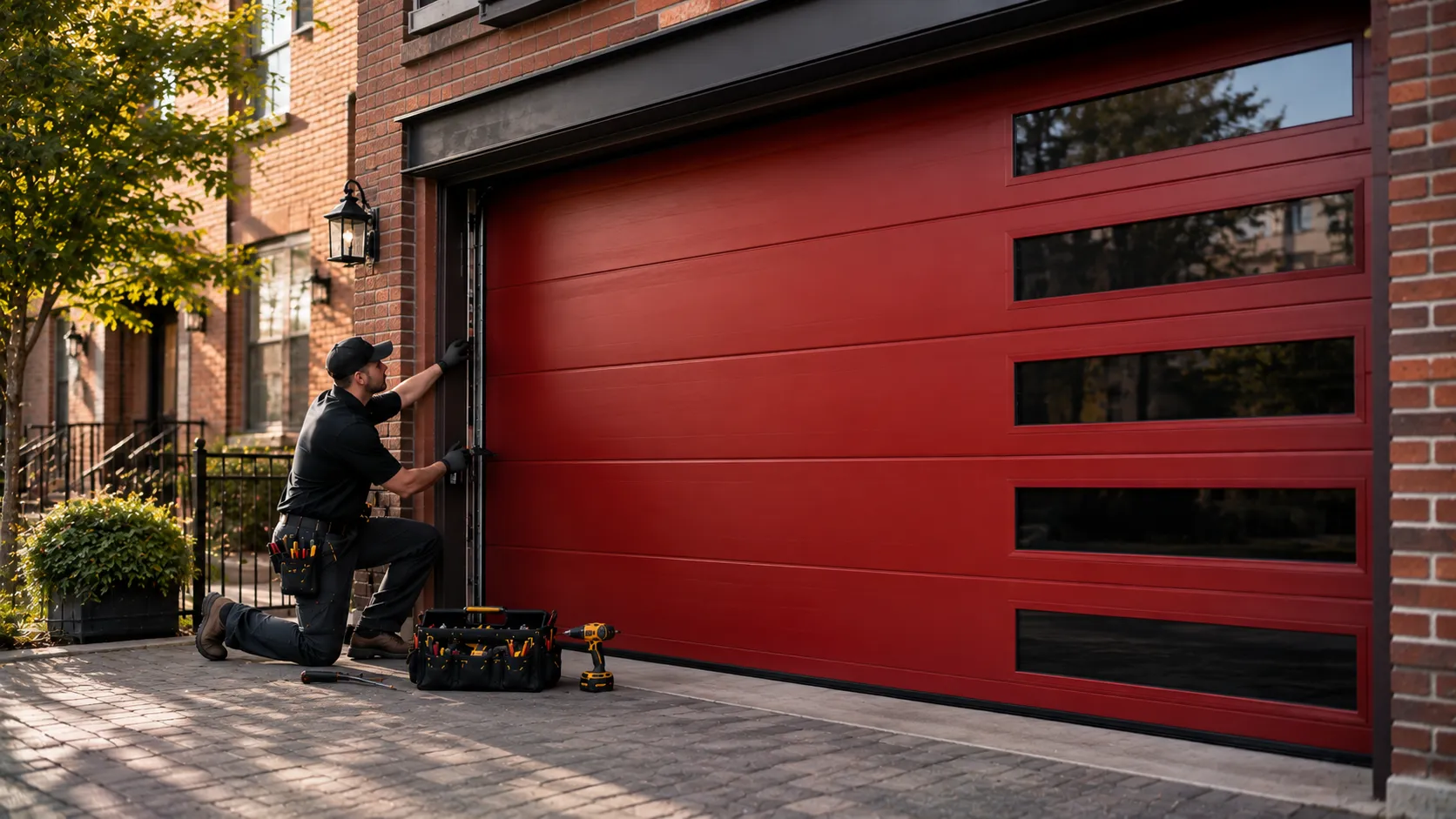
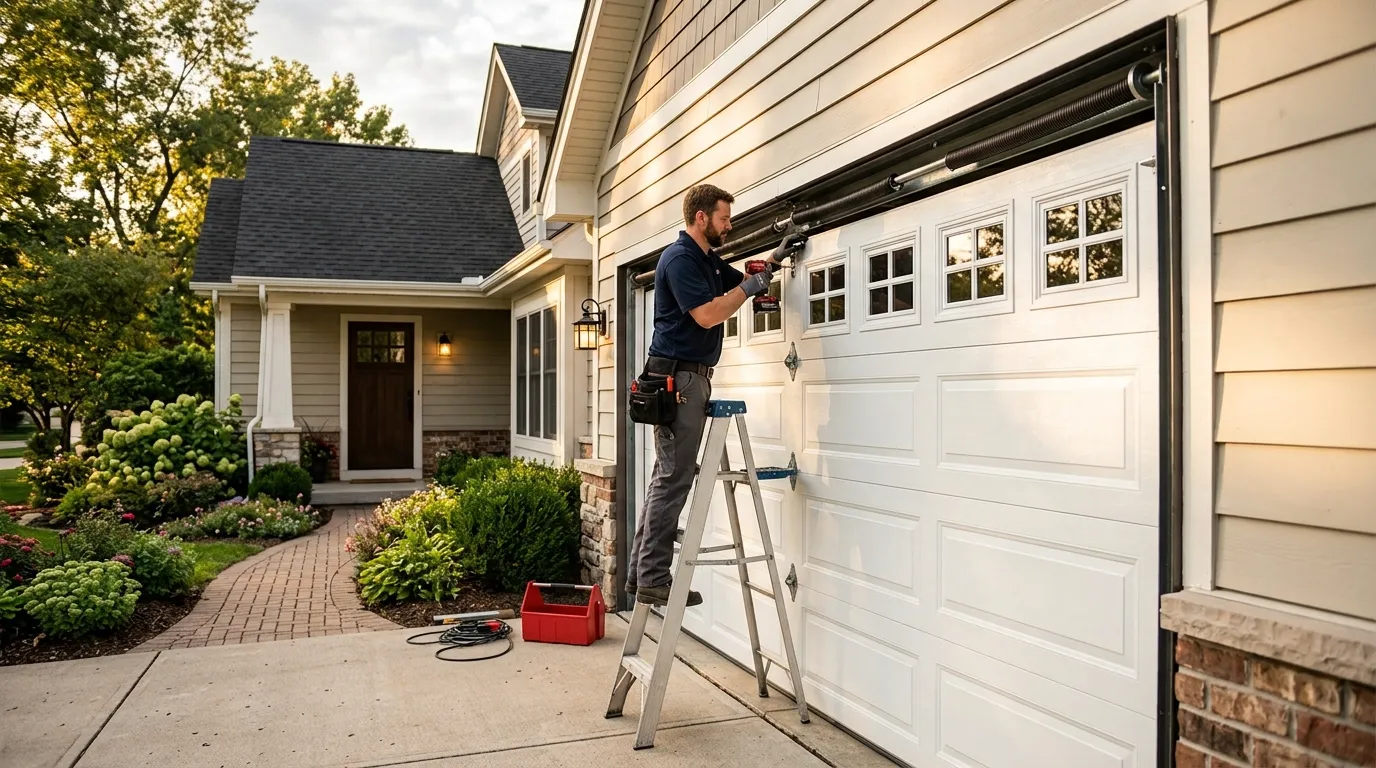
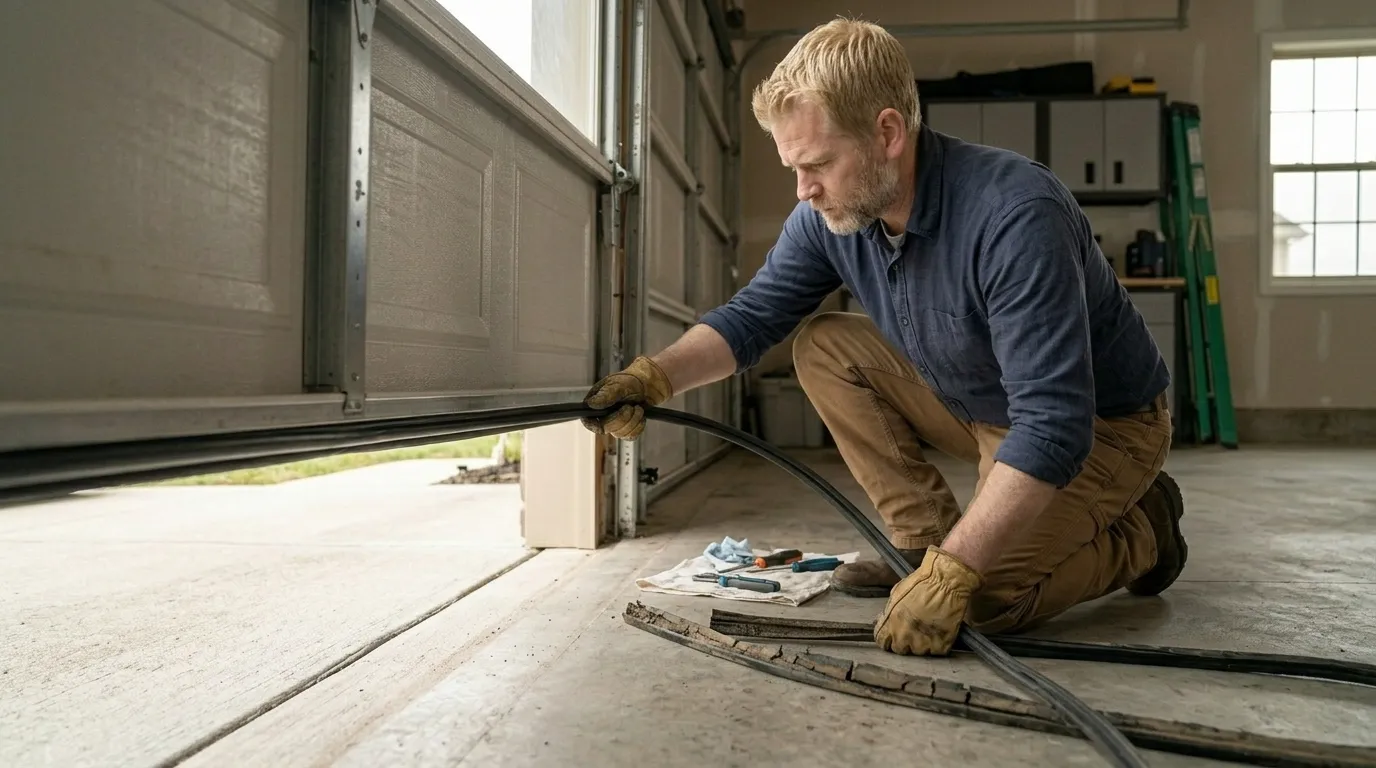
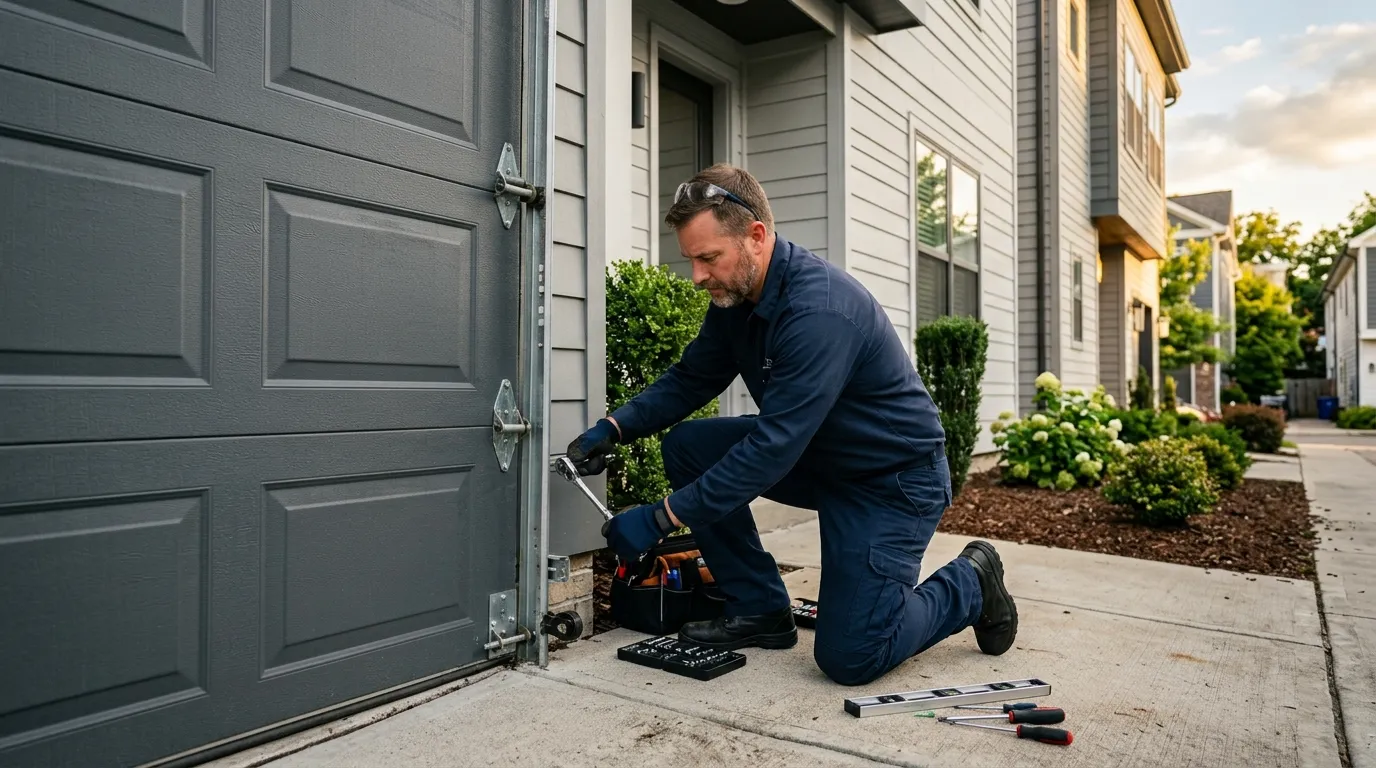
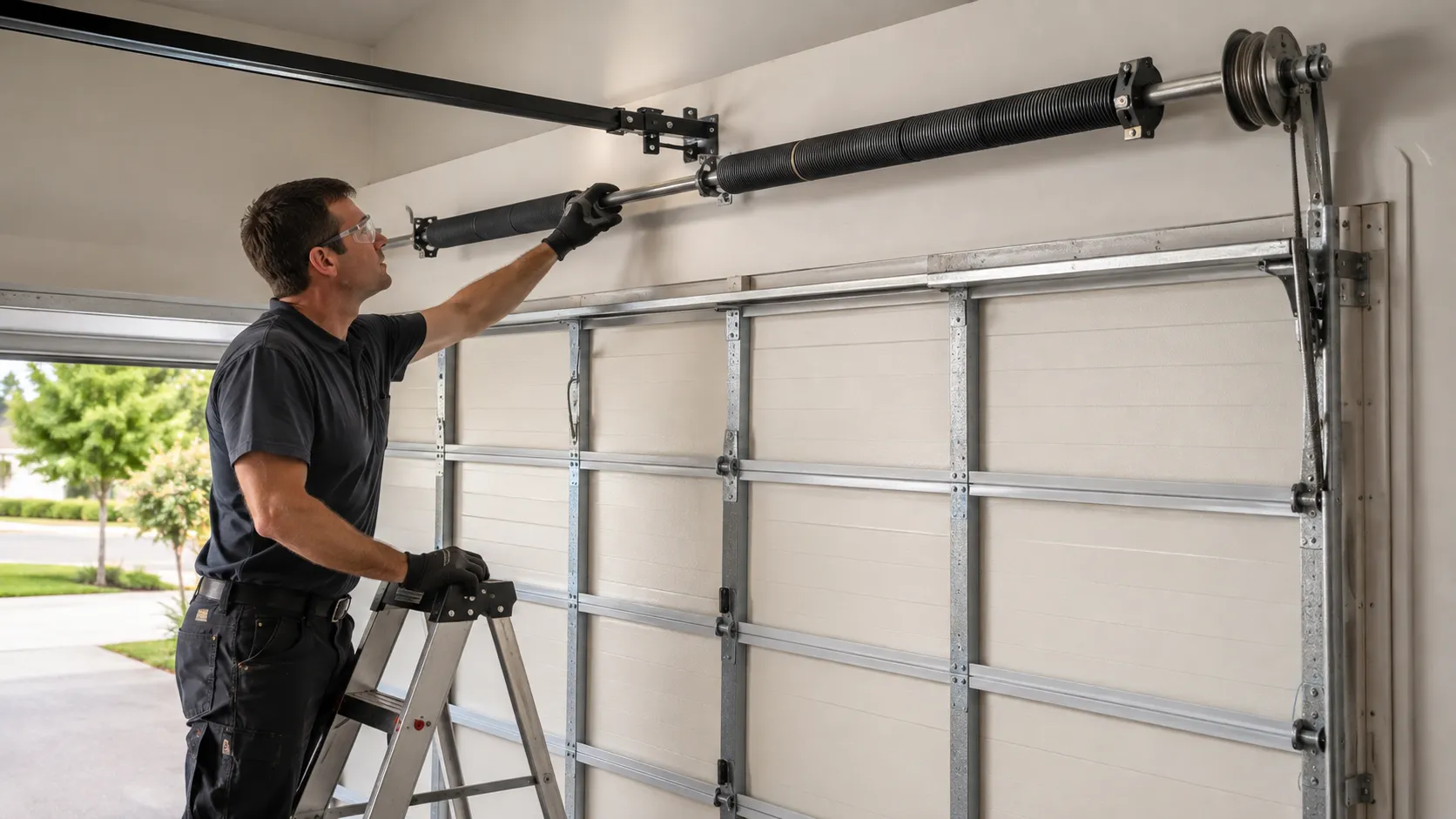
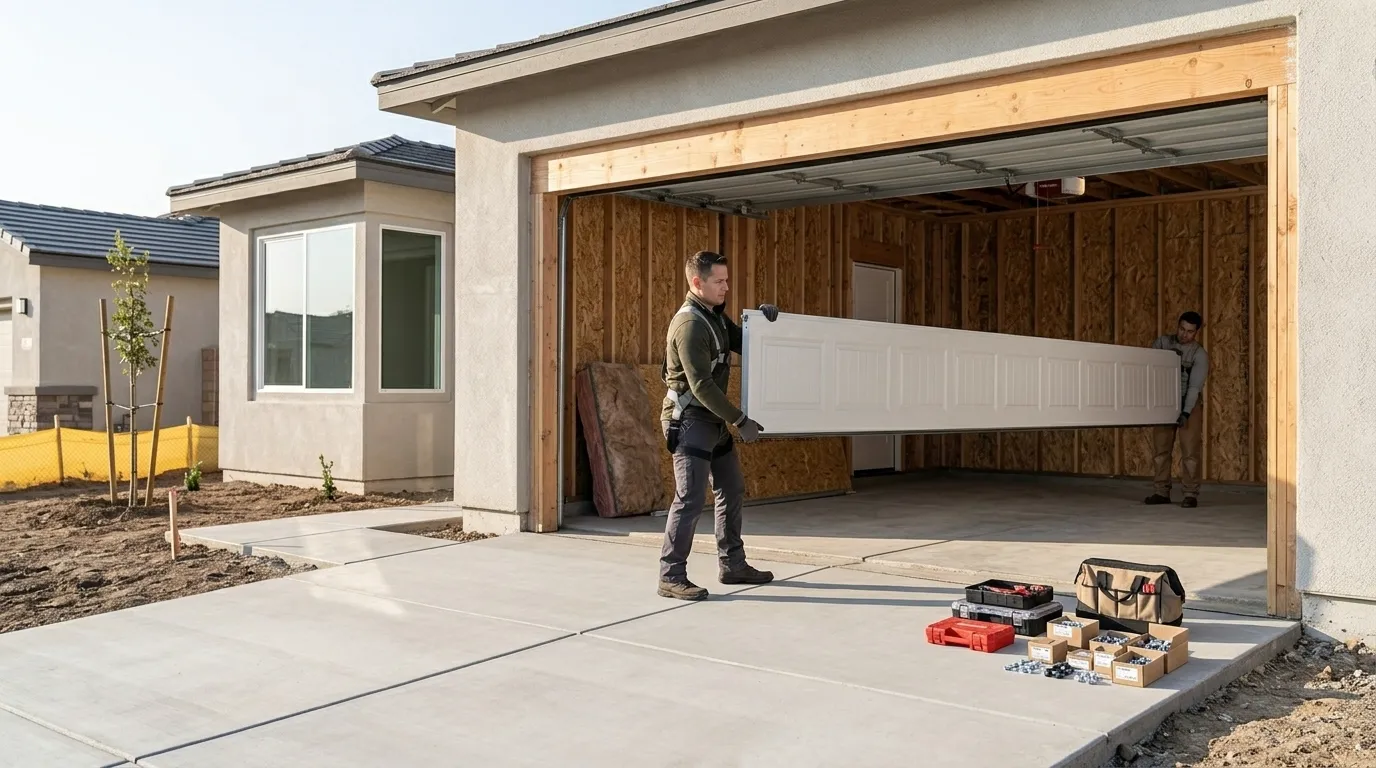
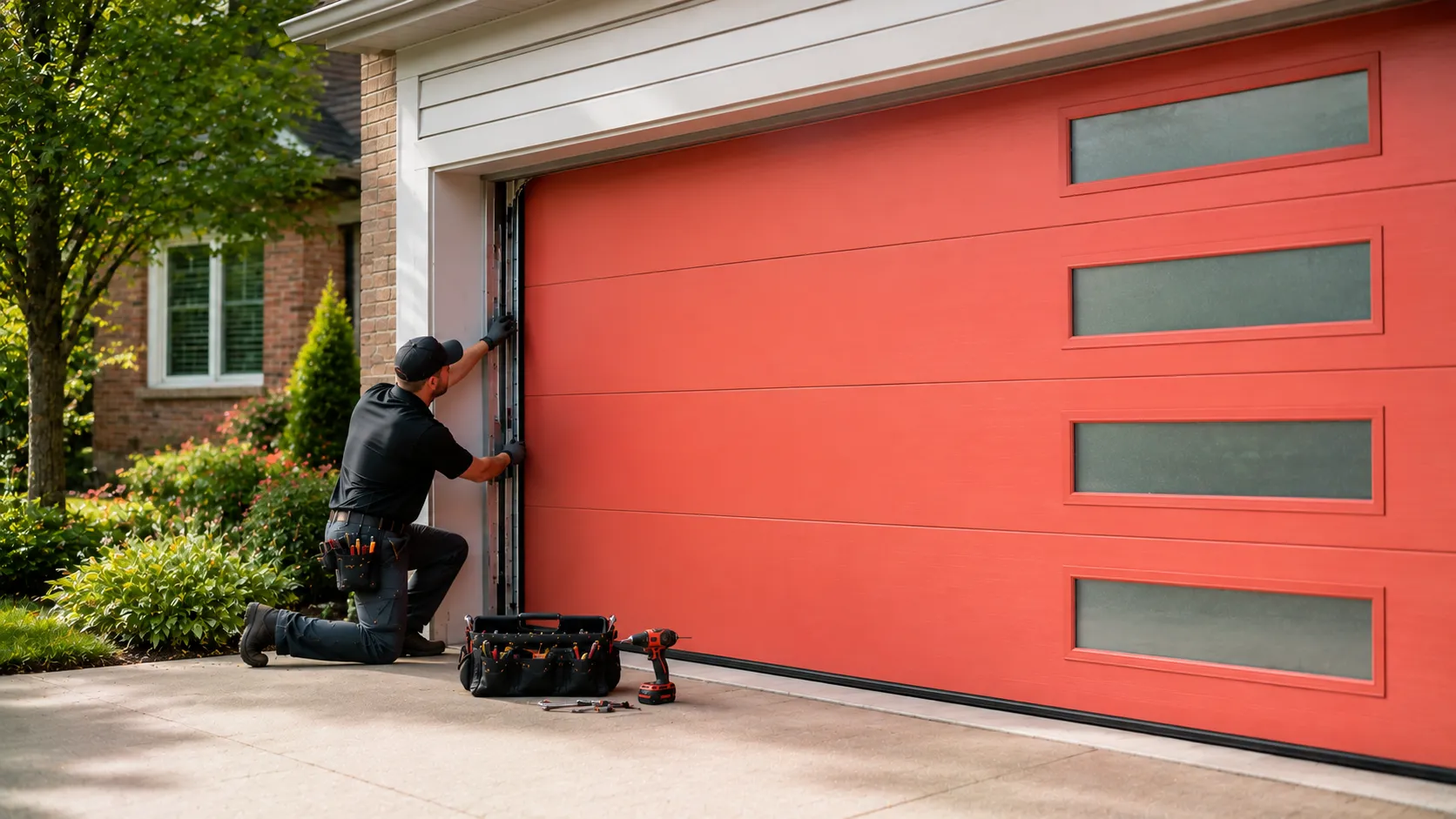
The job is ten rollers, top to bottom, swapped one at a time so the door never comes off its track. We usually go with sealed nylon rollers on the way out - quieter, and they don't need the yearly grease that steel rollers demand to keep from binding in winter. If a bracket is bent from the old roller dragging, that gets straightened or replaced in the same visit, no separate trip.
How Long You Are Without the Door
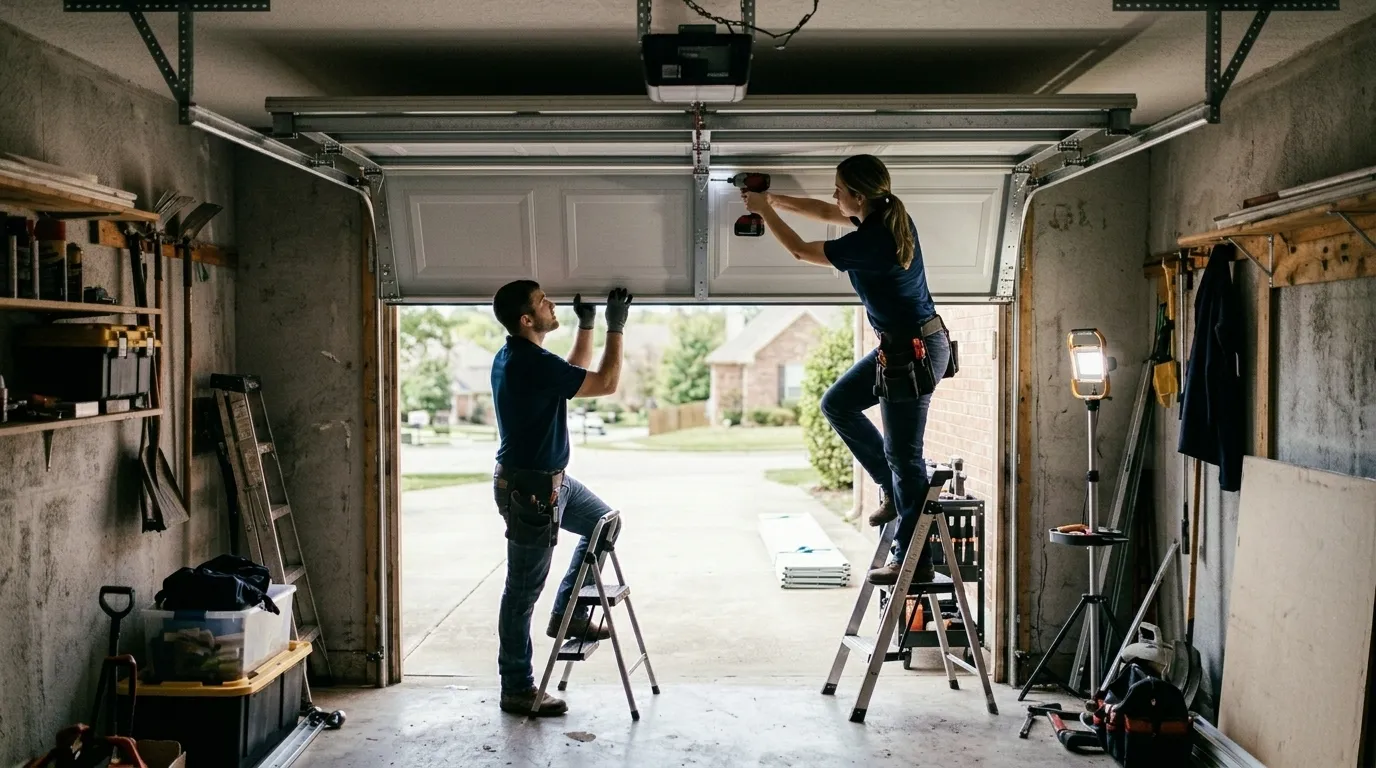
You're not without the door at all for most of this job. We work one side of the track, then the other, and the door stays functional between passes - it just won't run smooth until we're done. A straightforward ten-roller swap on a double door runs under two hours once the truck's on site, less if nothing's bent.
Where it stretches out is if a cable has been riding rough against a seized roller long enough to fray. That's not common, but on a house built in 1990 with its original hardware, thirty-plus years of use adds up, and we check the cables before we call the job finished either way.
The Symptom
The tell is noise before it's motion. A door on failing rollers gets loud in a specific way - a rhythmic thunk-thunk as each flat-sided roller comes around, not a steady grind. If you're standing in the driveway and can time the noise to the door's travel, that's your rollers, not your opener or your springs.
A second tell, more common on the 1990-era doors around here: the door hesitates for a half-second at the same spot on the track every single time. That's a roller that's lost its round shape catching on the track seam. It'll do it at the same point on every cycle until the roller's swapped.
Booking a Visit
We cover Fox Farm-College out of Cheyenne, about a mile down the road, so there's no separate crew or depot here - just a short drive for us and one call for you. Tell us what the door's doing when you call; a description of the noise and where in the cycle it happens usually tells us whether we're bringing rollers, track stock, or both.
For the general write-up on rollers, sealed vs. steel, and what a full replacement costs in this area, see the Cheyenne roller replacement page. For everything else we handle in this neighborhood, the Fox Farm-College garage doors page has the rest.