Booking a Visit
We don't keep a shop in South Greeley. We run out of Cheyenne, and the drive down is about 2 miles, so a booked visit doesn't turn into a half-day wait behind other jobs on the far side of the service area. When you call, tell us the door's rough age against your house - if your place went up around 1989, that already tells us a lot about what we'll find in the garage before the truck even gets there.
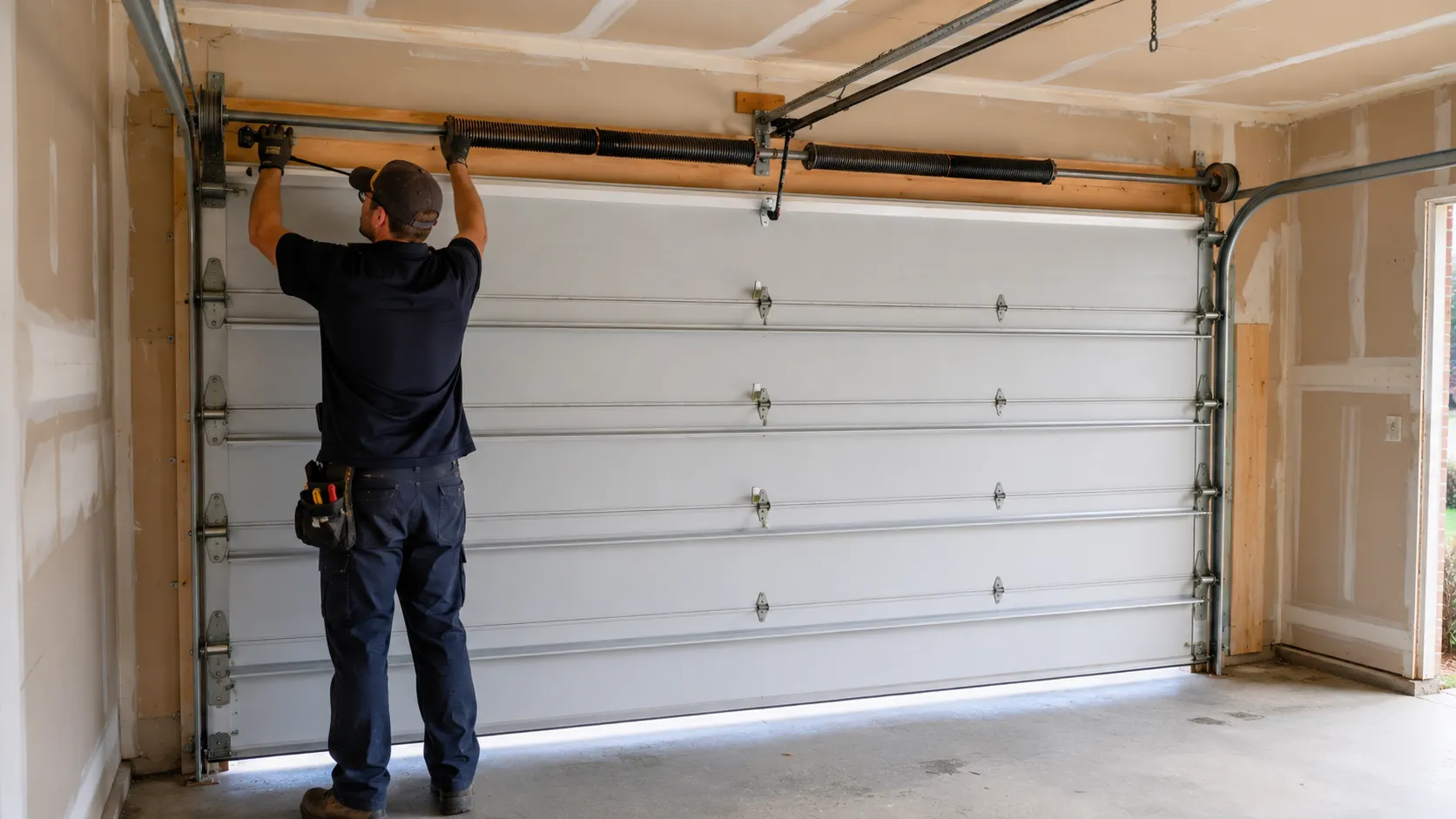
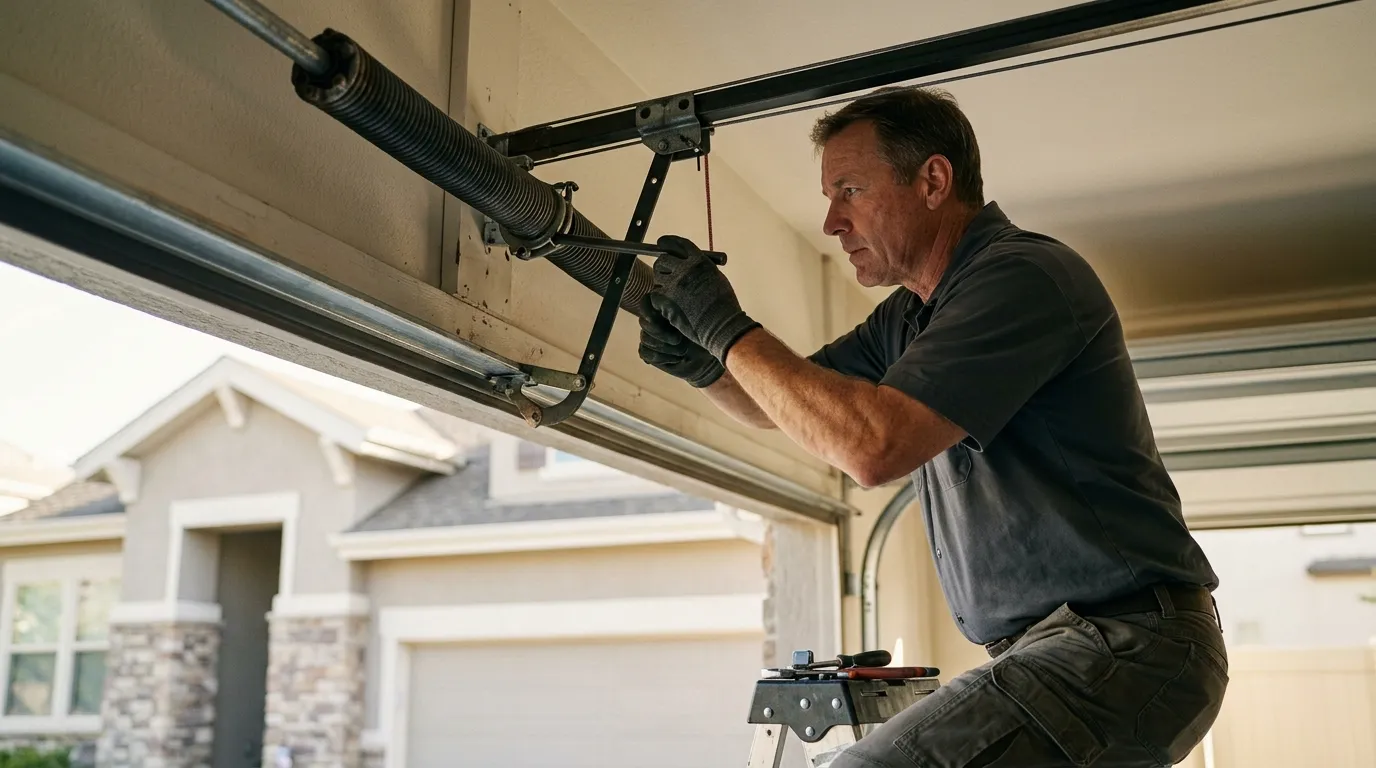
We ask because the fix on a 1989-built house is rarely the same fix as a 1960s one. Torsion spring sizing, the track width, the gauge of the panel - all of it tracks the build year. Skipping that question means showing up with the wrong spring on the truck and a second trip nobody wanted.
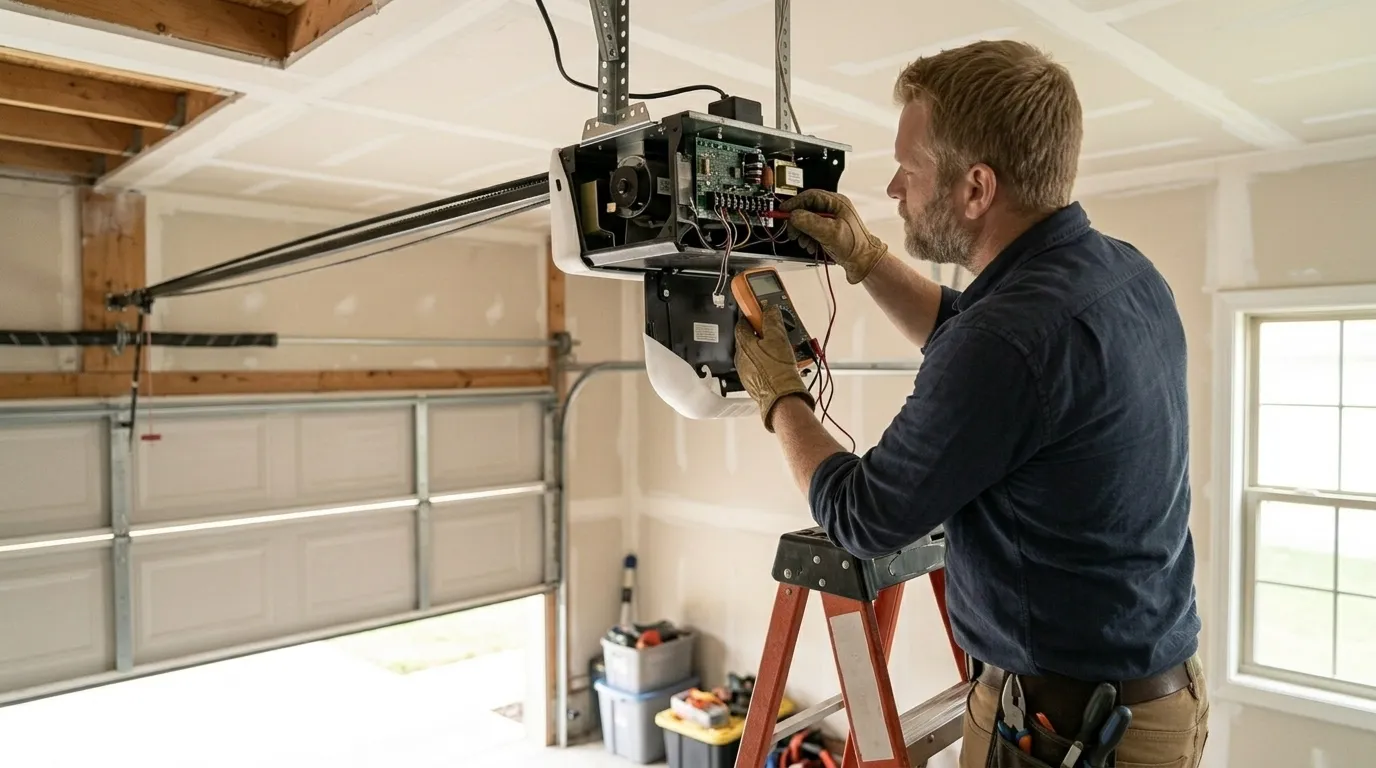
If you're not sure when your section of South Greeley went up, that's fine. We can usually tell within a few minutes on site from the hardware itself - the spring cones, the hinge stamping, the opener housing. What we won't do is guess over the phone and quote a job before we've seen the door.
How Long You Are Without the Door
Here's the honest part: if the part we need isn't a common size, we don't carry every obscure bracket or drum for a door that's over 30 years old. Most of what's in South Greeley is standard enough - steel sectional doors from the late 80s and early 90s used torsion spring setups that are still made - so same-visit repair is the norm, not the exception. But if a previous owner swapped in a non-standard opener or an odd-width track at some point, we may need a day to source the exact part rather than force a mismatch onto your door.
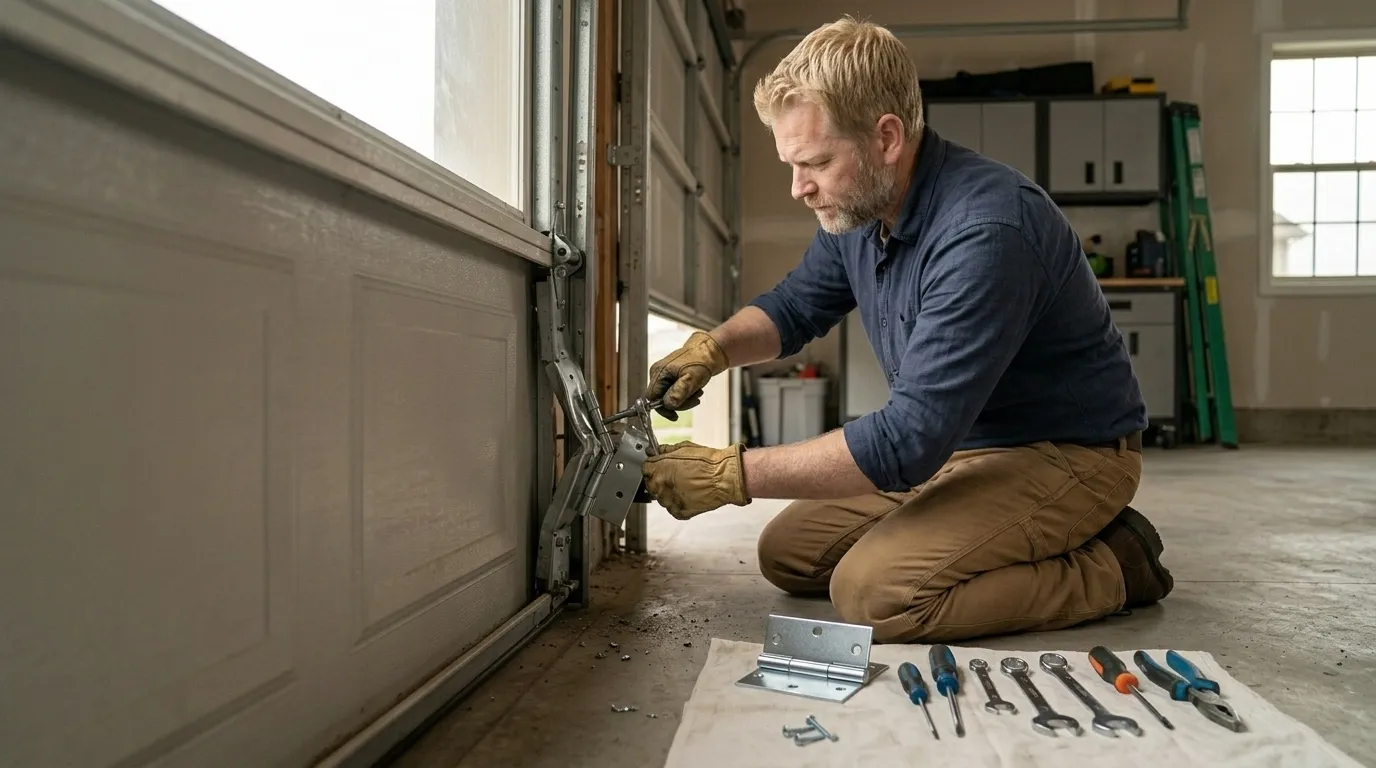
We won't tell you a repair is done when it's a temporary patch. A cable that's fraying at the drum gets replaced, not taped and sent on its way, because a partial fix on a door this age tends to fail again within weeks, and then you're paying for two visits instead of one.
The Symptom
Wyoming's cold band hits South Greeley the same way it hits the rest of the Cheyenne area - hard, dry cold that stiffens lubricant and shrinks metal just enough to matter. On a door with a 1989-era torsion spring, that means the spring is working harder to lift the same weight on a cold morning, which is exactly when an already-fatigued spring tends to let go. If your door has been groaning, hesitating a few inches off the floor, or banging down harder than it used to, that's the cold exposing a spring that was already near the end of its rated cycles.
A slow-to-open door in warm weather that gets noticeably worse below freezing is a spring or roller issue, not an opener issue, almost every time. We'd rather you call before it snaps fully and drops a 100+ pound door section than after.