Booking a Visit
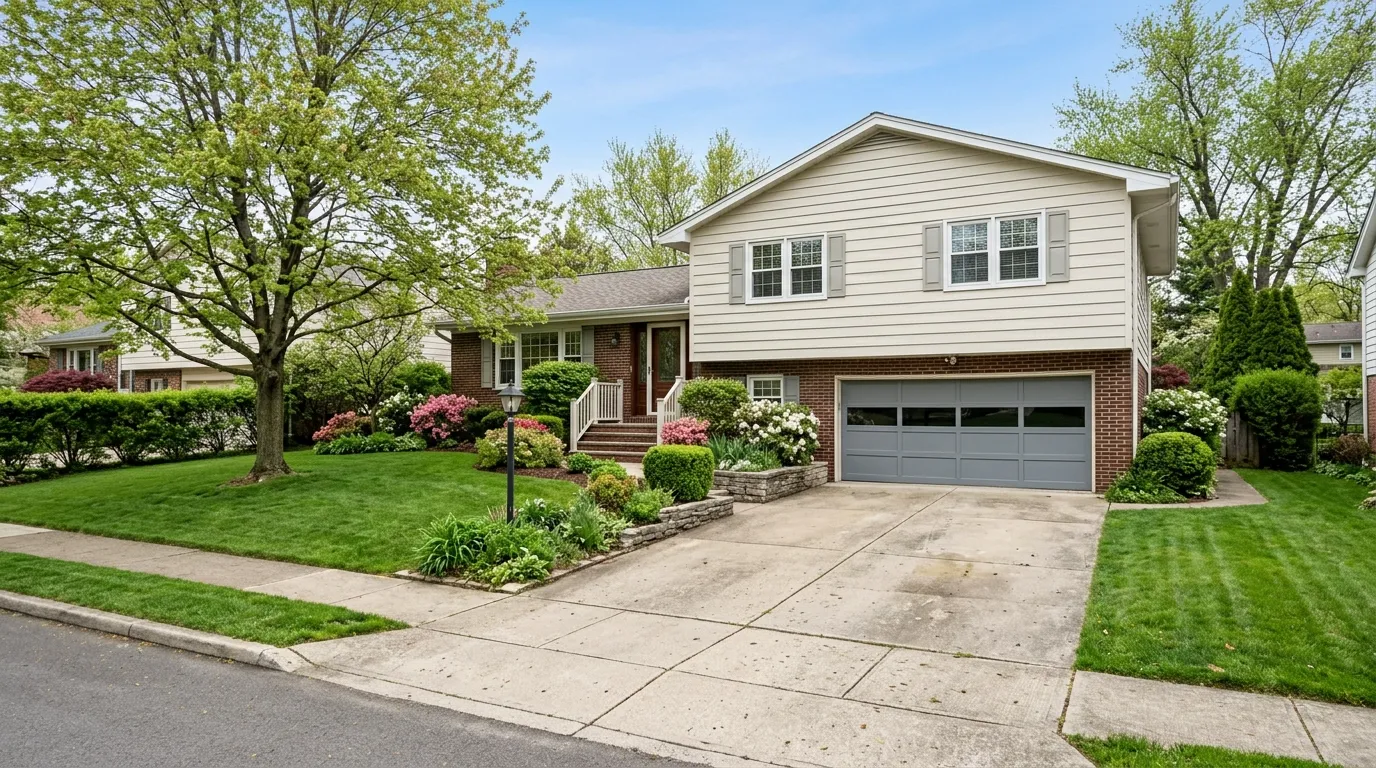
We run out of Cheyenne, about 2 miles from South Greeley, so there's no separate branch here - just a truck stocked for the job before it leaves. When you call, tell us the door's rough age. Most houses in this pocket went up around 1989, a touch newer than a lot of the housing stock closer into Cheyenne, and that one detail changes which panel profile we load before we drive out. Steel doors from that build year commonly ran narrower panel sections than what went into homes from the mid-1980s, and matching that width matters more than matching the color. We'll ask what's dented or bowed, whether the door still tracks straight on the other sections, and whether you've got the model number or manufacturer sticker on the back of a panel - usually on the end stile. That single number saves a return trip. We don't keep a South Greeley crew standing by around the clock; we schedule from Cheyenne, so tell us up front if the door is stuck shut or open, because that changes how soon we can get out.
How Long You Are Without the Door
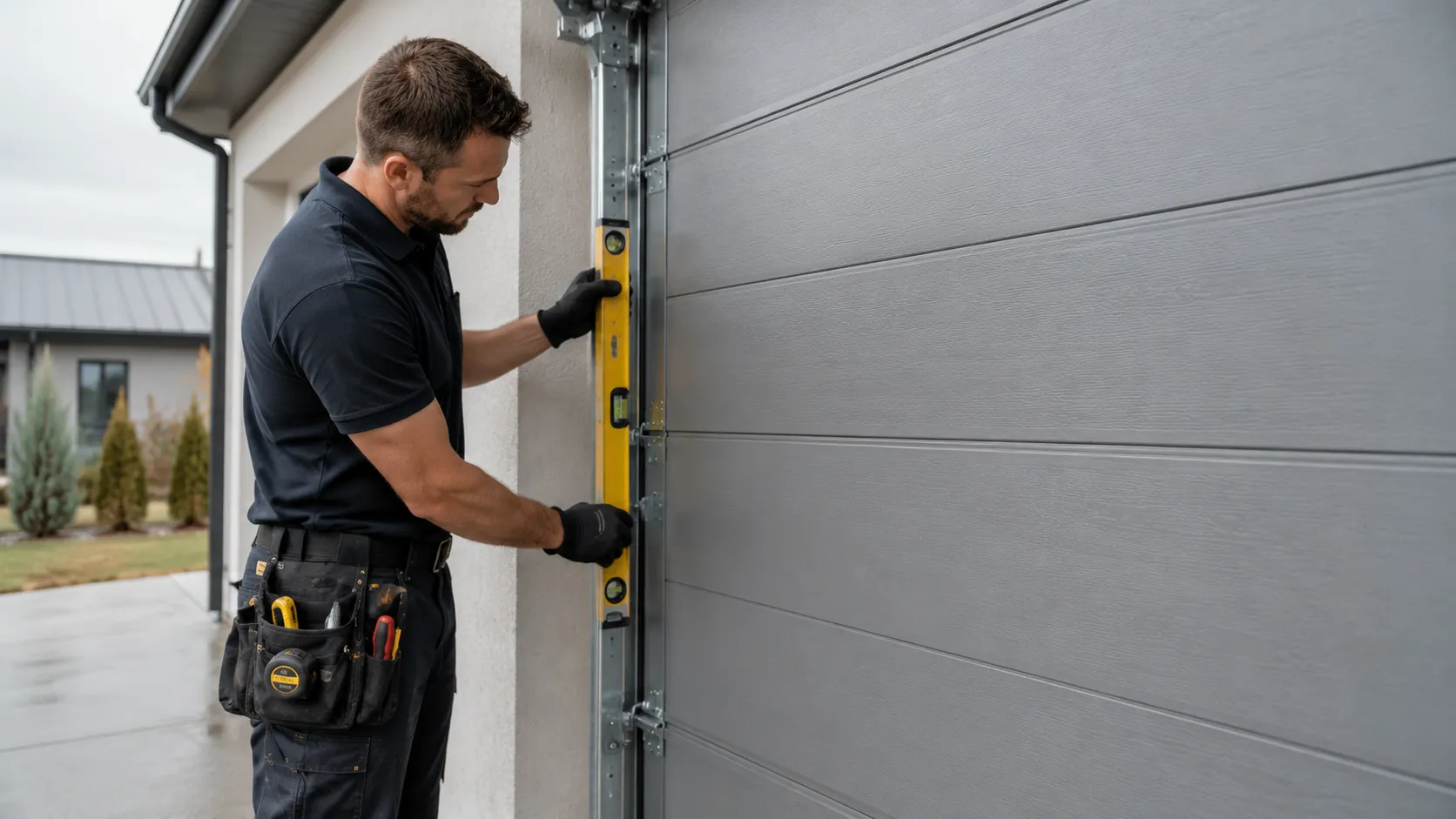
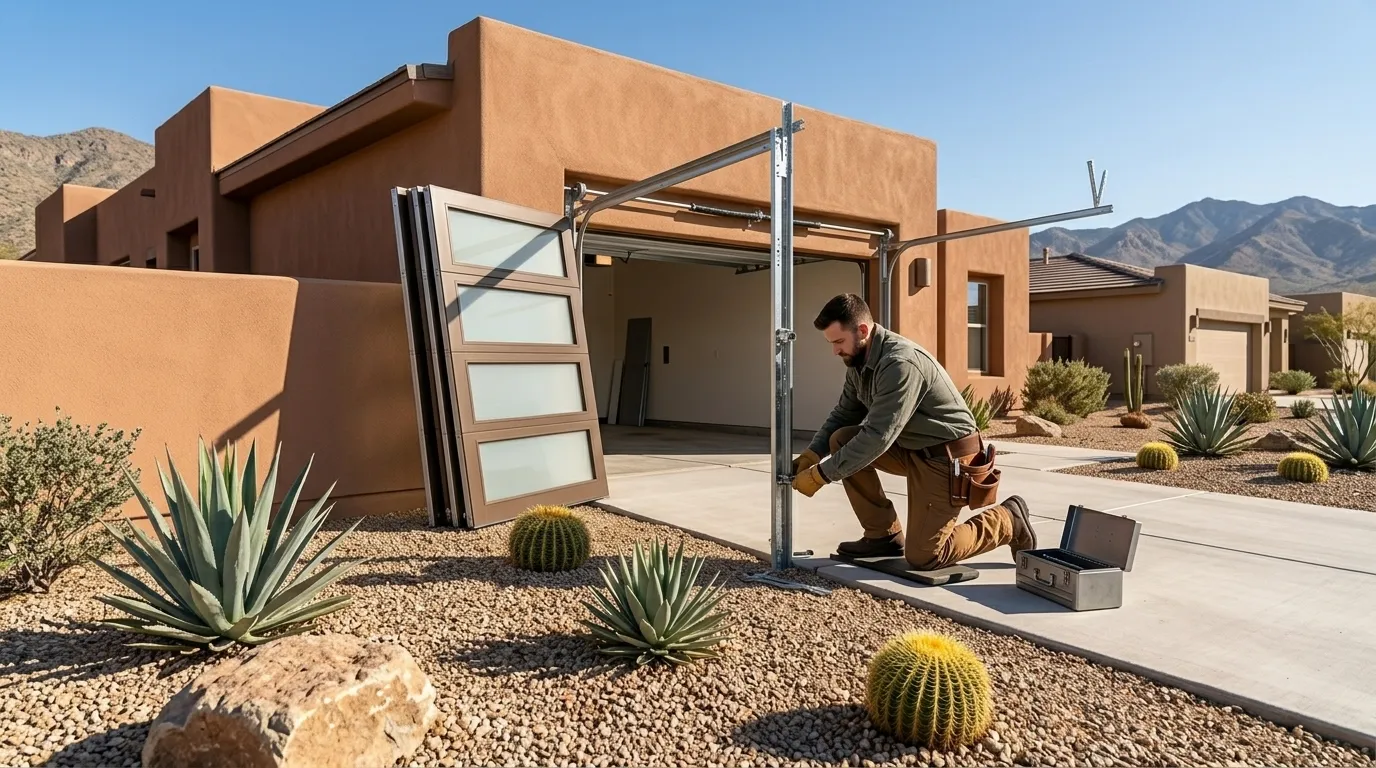
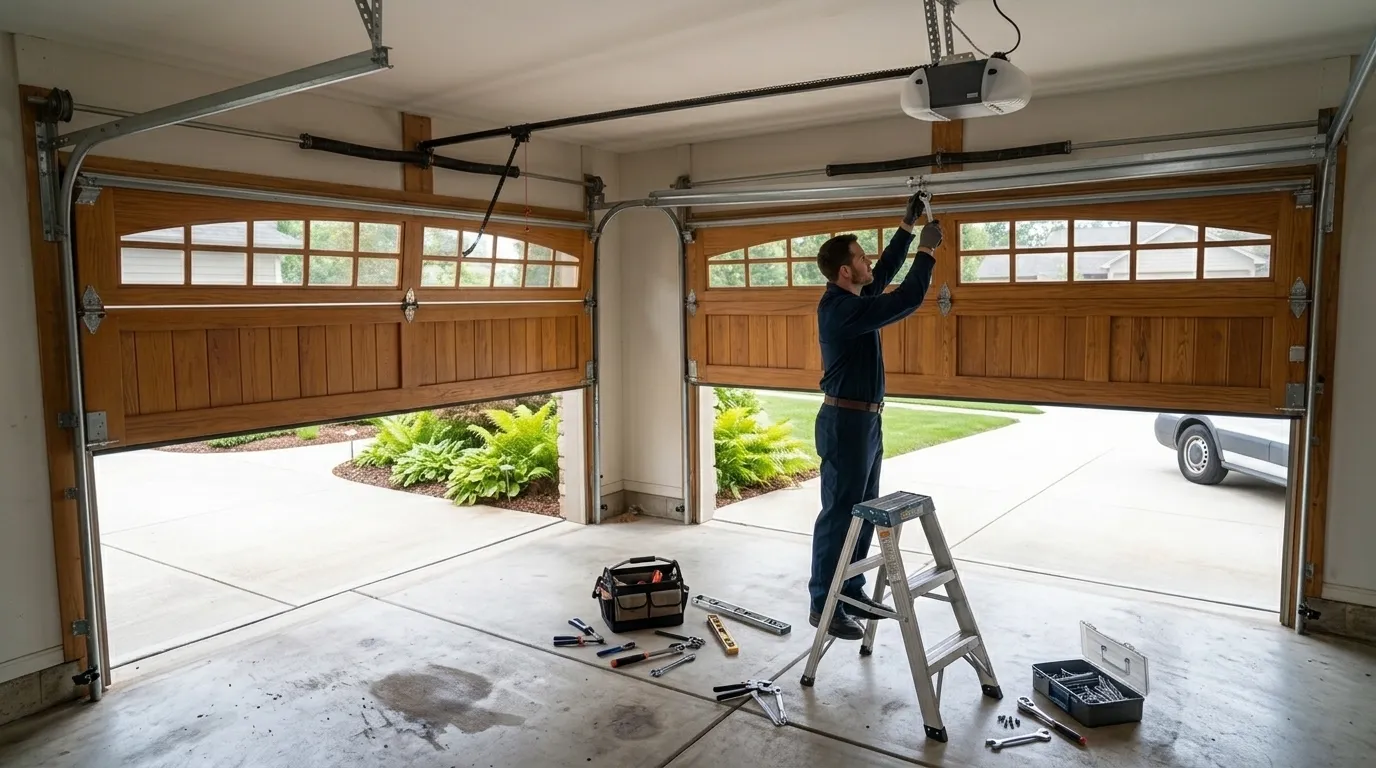
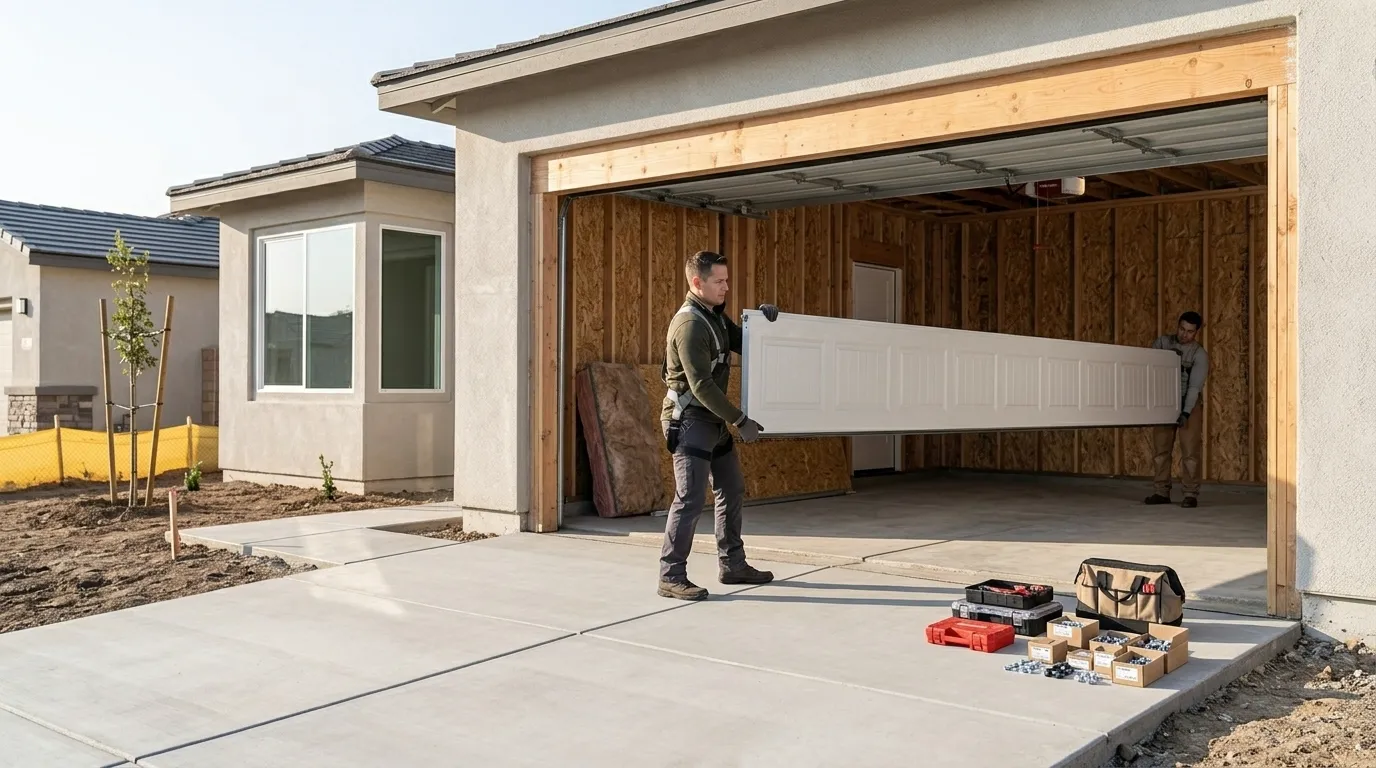
A single dented or cracked panel on an otherwise sound 1989-built door is usually a same-visit swap once we've confirmed the section width and the door's steel gauge - most of this stock uses a lighter gauge than newer builds, and pushing too hard while separating warped sections can bend the ones next to it. If more than one panel took the hit, or the sections have gone slightly out of square from repeated freeze-thaw cycles here, we may need to order a matching run rather than a single section, since manufacturers sold panel sets in batches, not always as an open stock item. If that's the case, the door can usually still open and close on the working sections while we wait - we'll tell you honestly if that's not safe for your setup. We're not going to promise a same-day fix on every job; some of it depends on what's actually behind the dent once we get eyes on it.
The Symptom
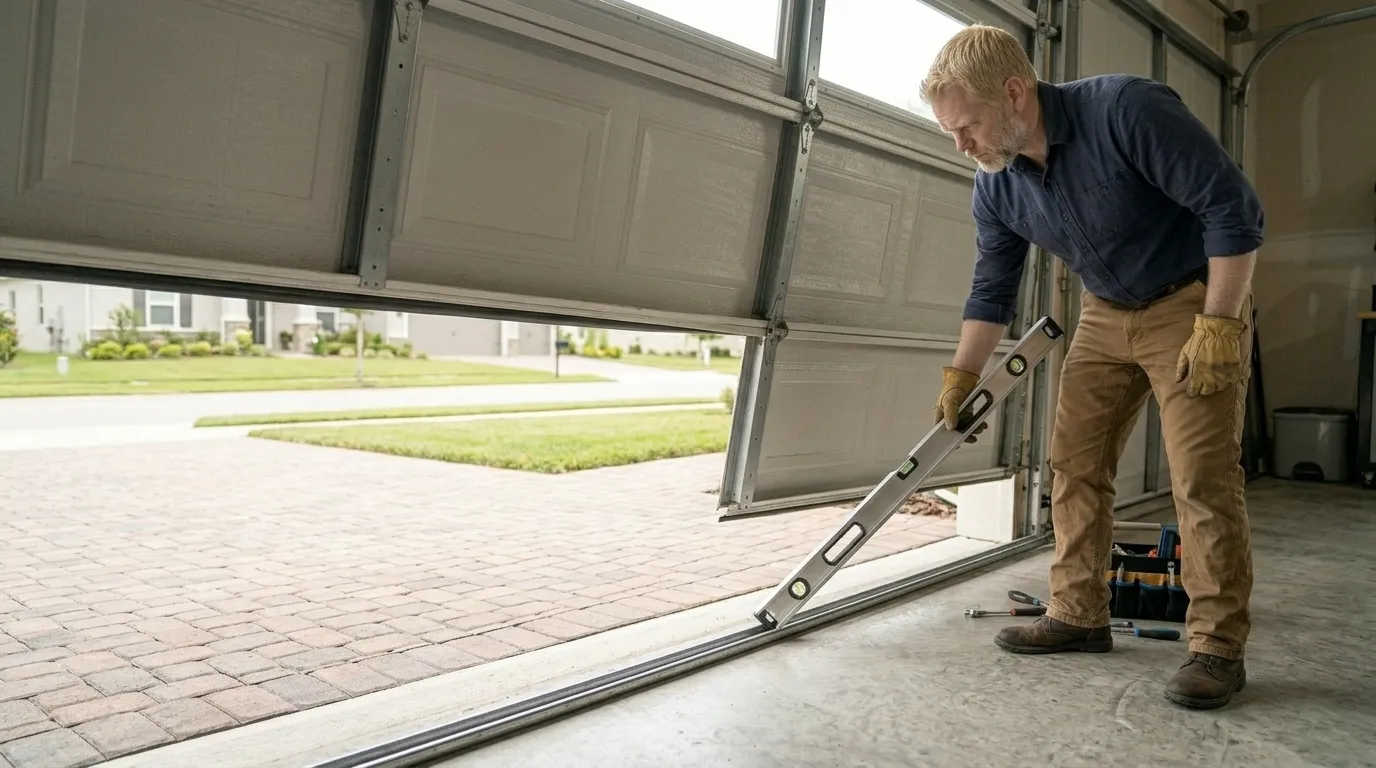
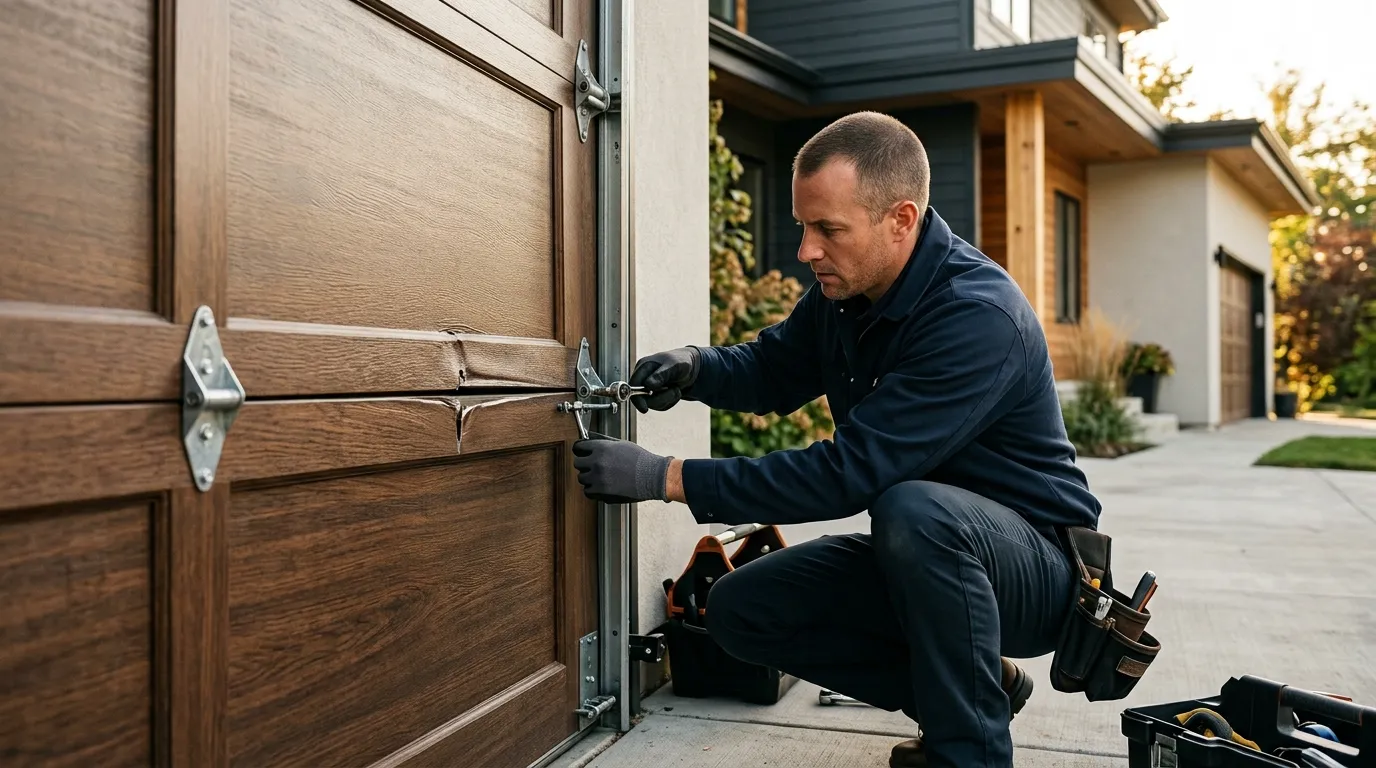
The giveaway on a 1989-era door is usually a panel that's bowed inward at the bottom corner, not cracked straight across - that's the section catching a car bumper or a snowblower low, where the steel is thinnest. You'll also see it where a roller has walked out of track on one side and pressed a dent into the panel edge over repeated cycles, common on doors that have run 30-plus years without a track alignment check. Households here run a bit tighter on average income than some of Cheyenne proper, so we hear from a fair number of owners patching a single panel instead of replacing the whole door - that's often the right call if the rest of the sections and the spring are sound. If the door's rusted through at the bottom panel from years of snowmelt runoff, patching won't hold; that's a replacement conversation, not a repair one.