Booking a Visit
Most houses in South Greeley went up between 1989 and 1992, and the doors that came with them shipped with 7-ball galvanized steel rollers riding in stamped steel track. Thirty-plus winters of a cold, severe climate band have worked on that steel: the rail edges pit, the roller stems wear oval instead of round, and the door starts binding exactly where the track bends into the horizontal run. That's a roller problem, not a spring or opener problem, and it's specific to homes of this build era rather than to newer construction with sealed nylon rollers already installed from the factory.
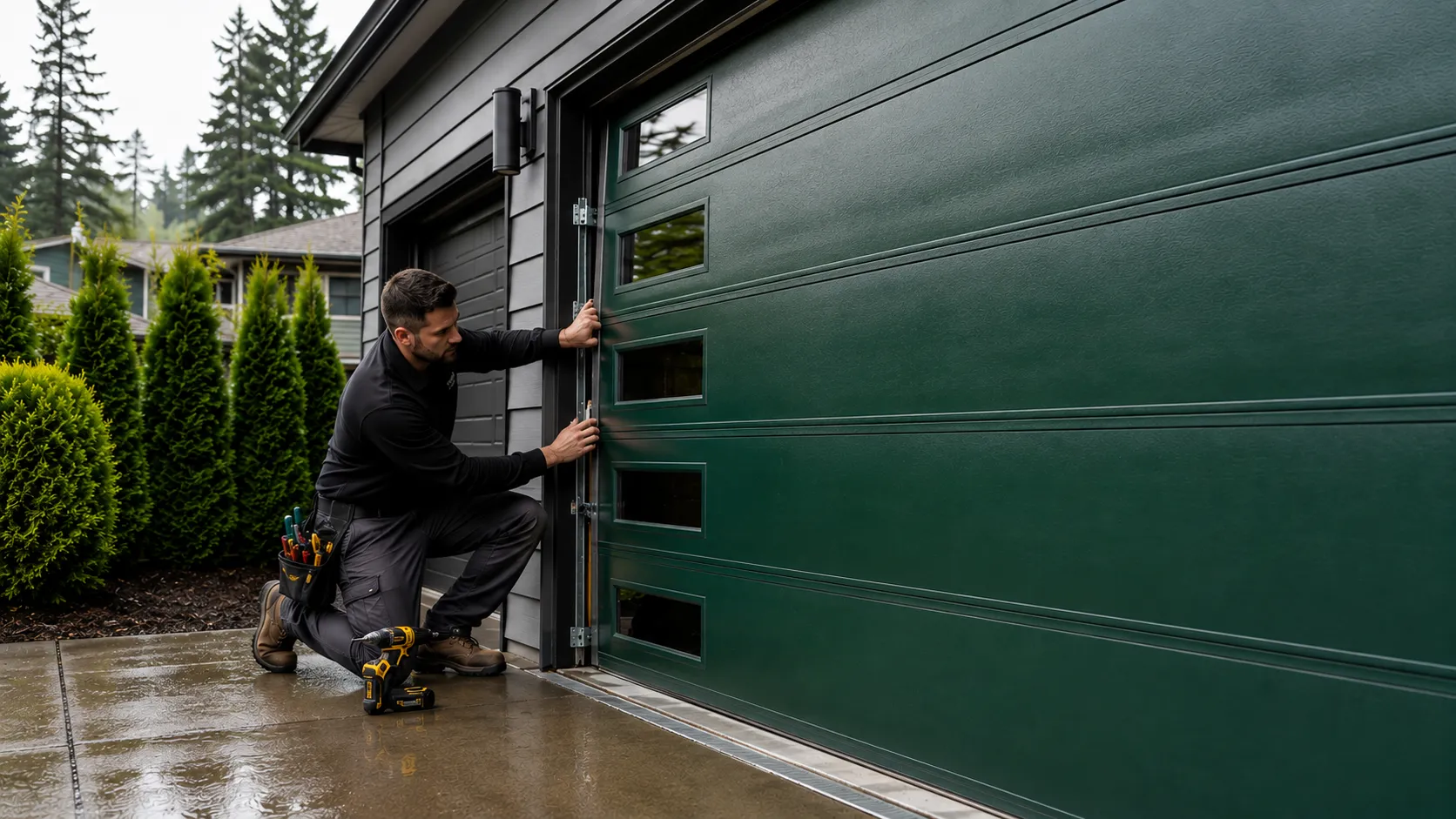
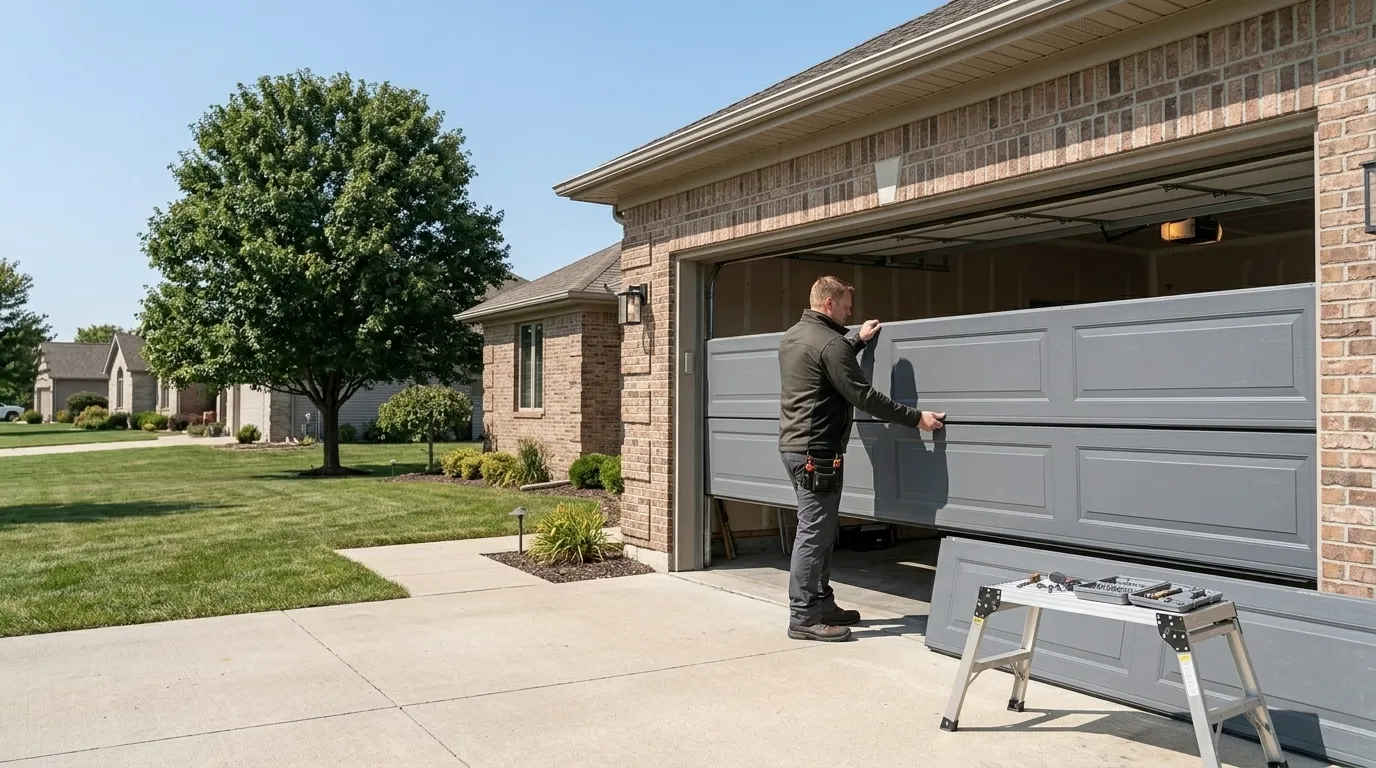
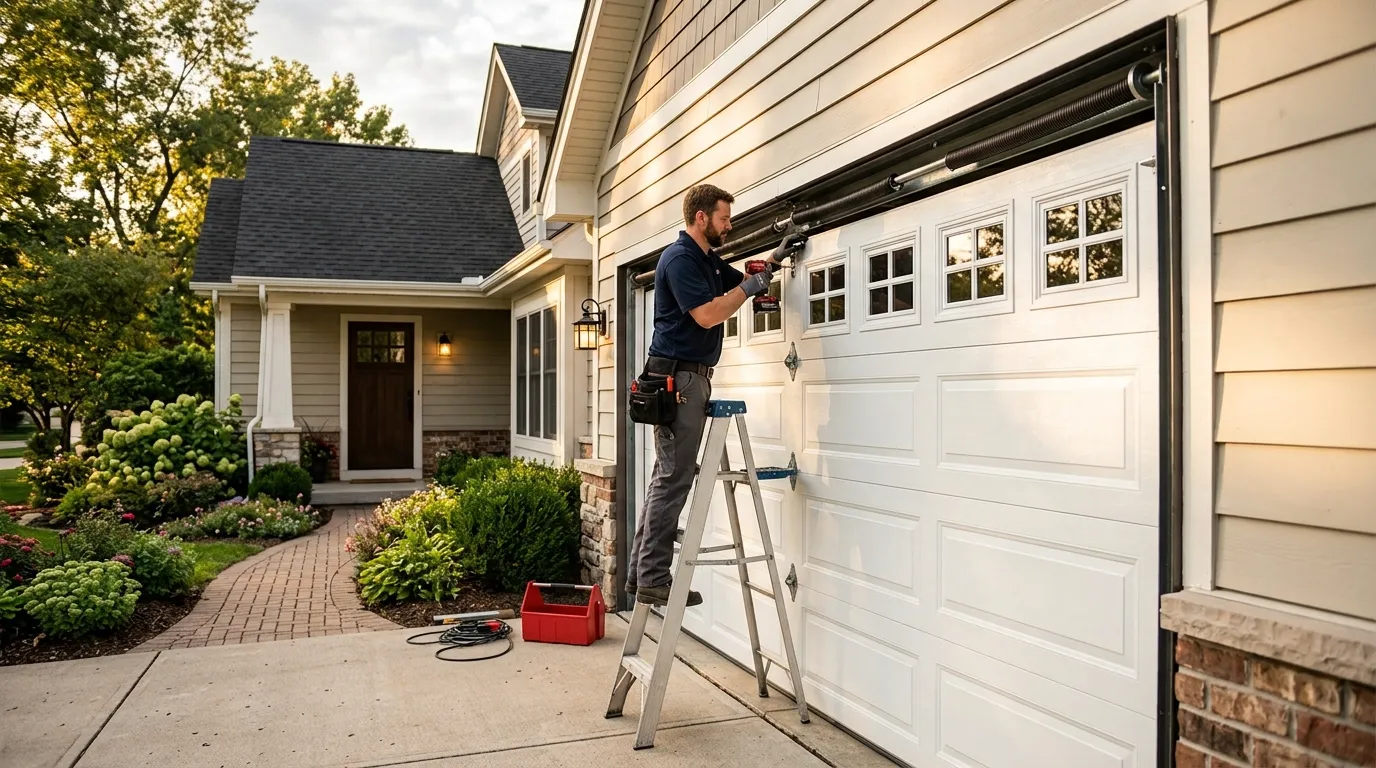
We run out of Cheyenne, about 2 miles from South Greeley, so there's no branch office here and no separate crew - the same truck that handles calls across the wider service area comes to you. Call ahead and tell us the door is grinding or catching partway up; that alone lets us load the right roller stock (steel-stem sealed rollers, not the cheap open-bearing kind) before we leave the shop, so the visit isn't a diagnostic trip followed by a second trip for parts.
How Long You Are Without the Door
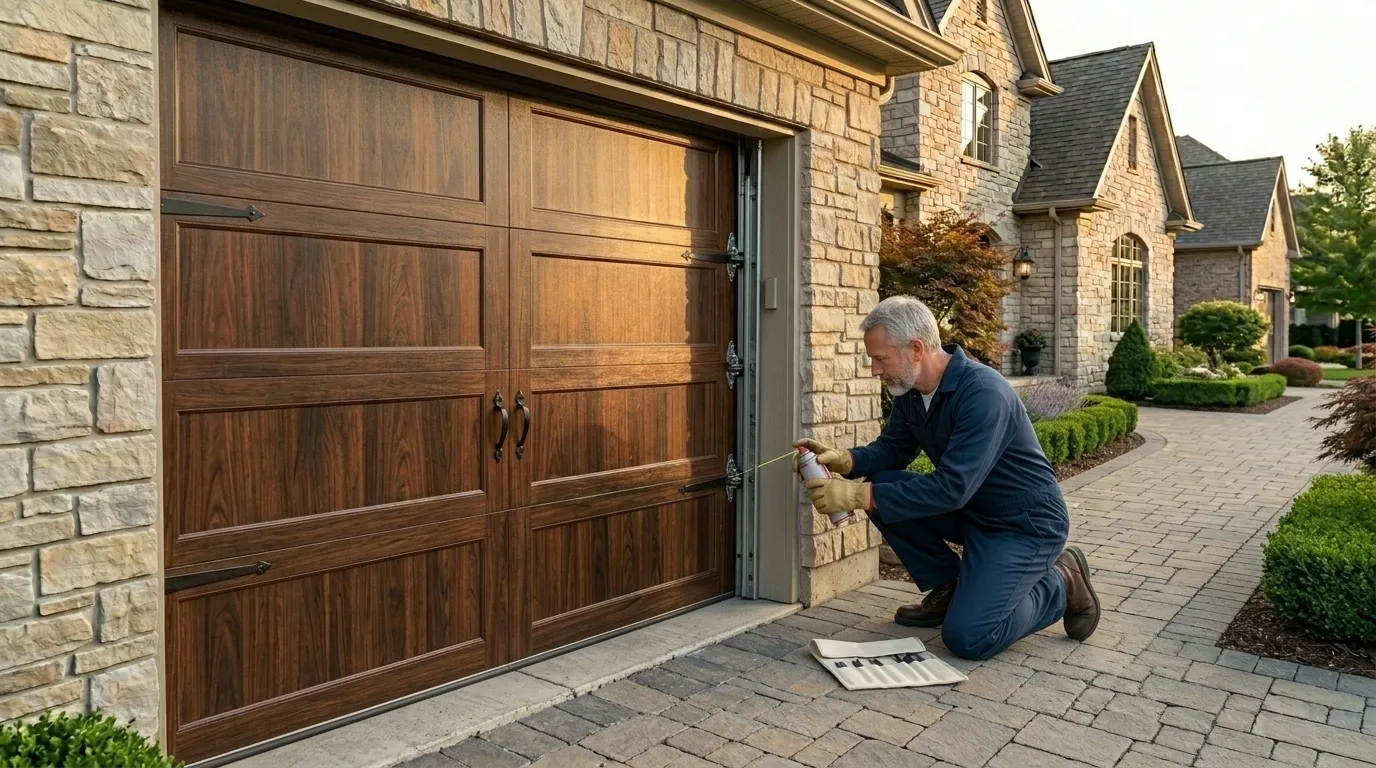
A straight roller swap on a double door - all ten rollers, hinges checked, track lubricated - is usually a same-visit job once we're on site. The door doesn't sit open and unusable for days; it comes off the track roller by roller while the rest of the panel stays supported, so you're not looking at a door that won't close overnight.
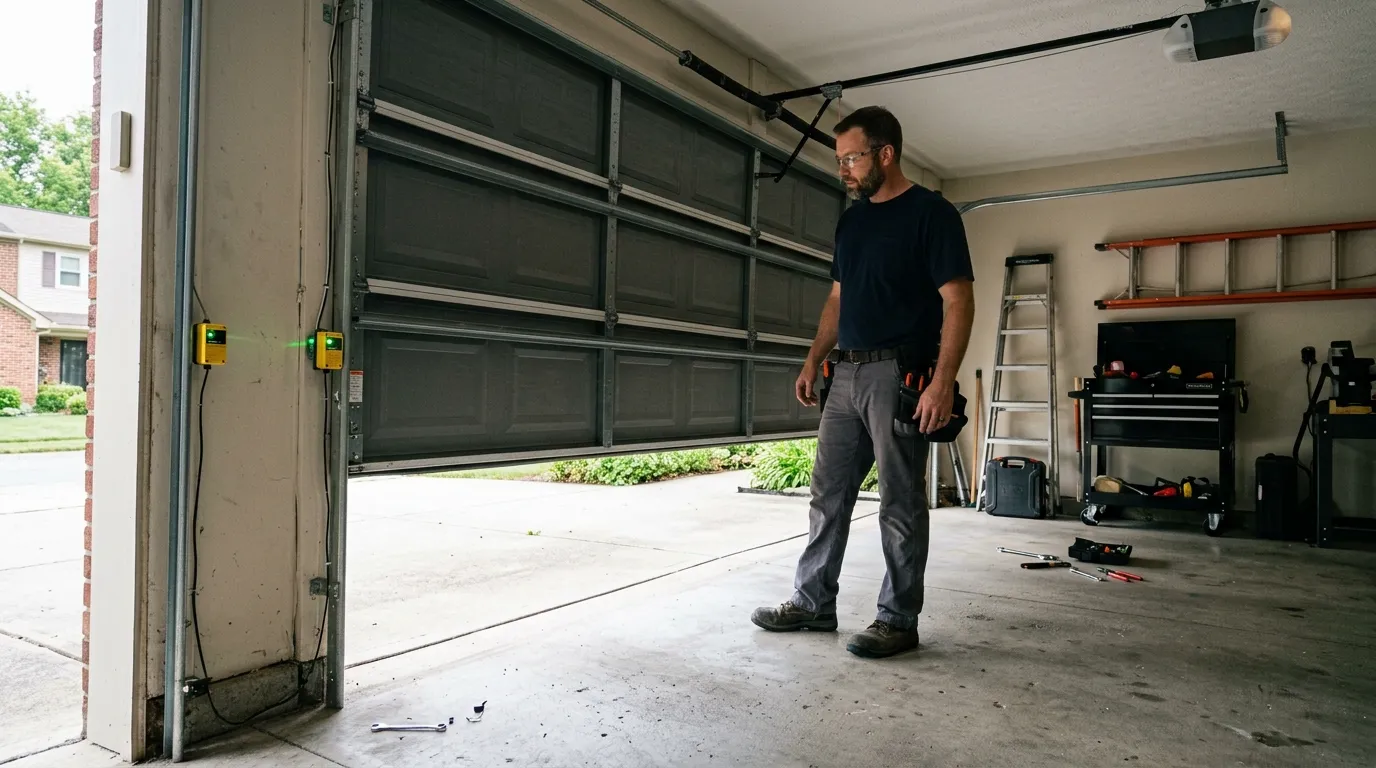
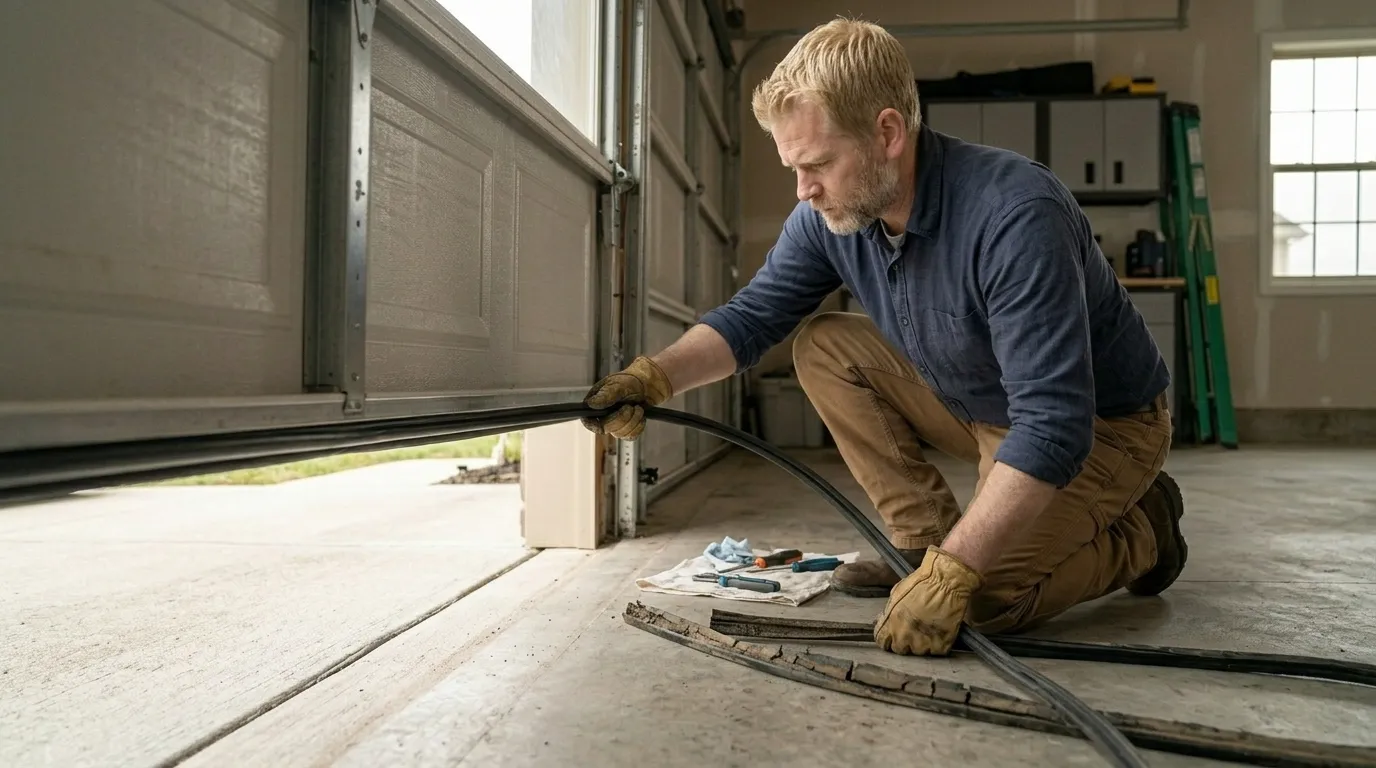
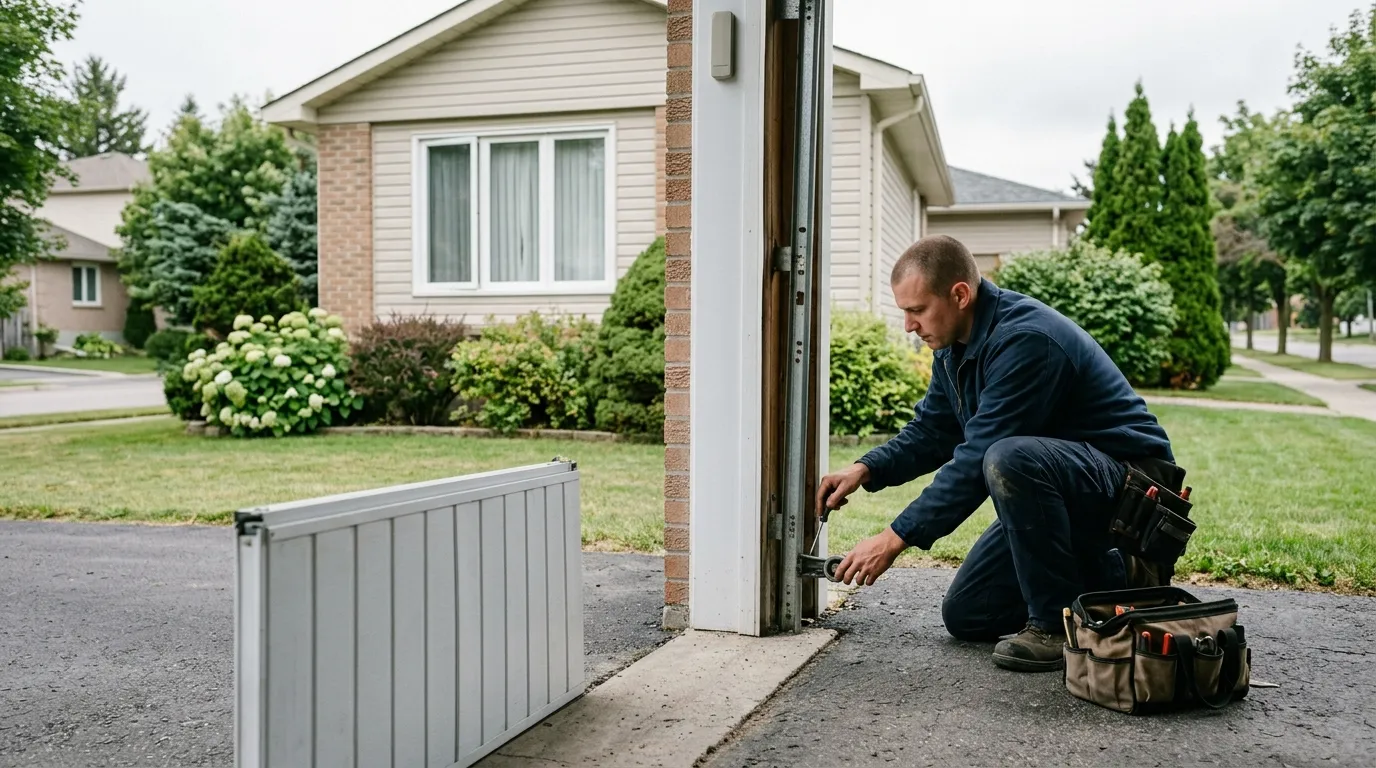
Where it stretches out: if the steel track itself has grooved or the roller stems have worn enough to chew a lip into the rail, we're not just swapping rollers, we're straightening or replacing sections of track, and that's a longer job because it touches the alignment of the whole door, not one component. On a house built in the early 1990s window like most of South Greeley, that's common enough that we check the rail before we quote the job as a quick fix. Here's the honest limitation: if the track is bent badly enough that new rollers won't ride straight in it, roller replacement alone won't solve the grinding - you're into a track and roller job together, and we'll tell you that before we start, not after.
The Symptom
The tell in South Greeley is a door that grinds or hitches at the same one or two spots on the track every time, worse on the first cold morning after a hard freeze and less noticeable once the door's been run a few times and things warm up. That pattern - cold-morning stiffness that eases with use - points to rollers dragging in a rail that's lost its factory tolerance, which lines up with the steel roller hardware original to houses built in the 1989-1992 window that makes up most of this area's stock.
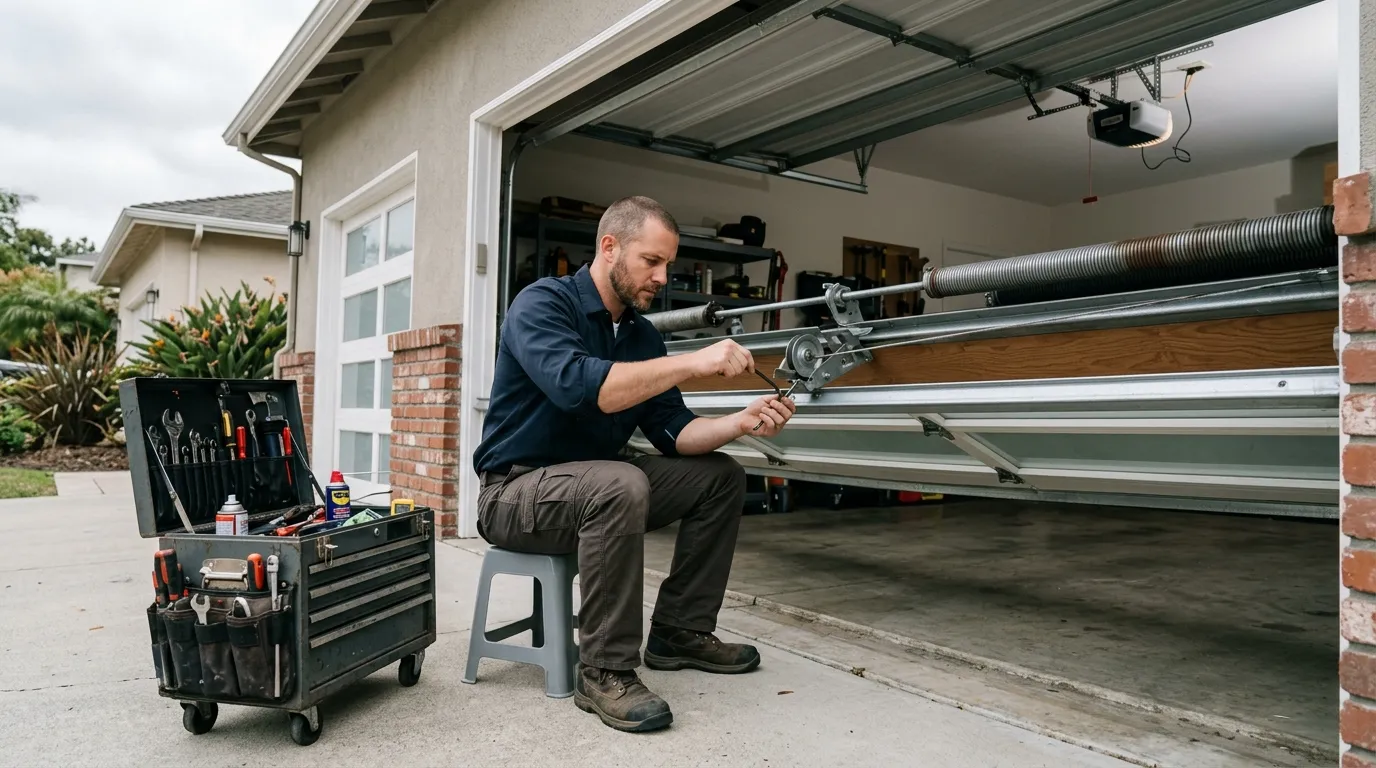
It's different from a spring problem, which shows up as the door feeling heavy or refusing to stay up on its own, and different from an opener fault, which usually means the door doesn't move at all or the motor runs without the door responding. If your door moves but complains about it - a rumble, a shudder, a spot where it seems to catch its breath - that's roller and track, and it's worth having it looked at before the stems wear enough to score the rail itself.