What the Weather Here Does to It
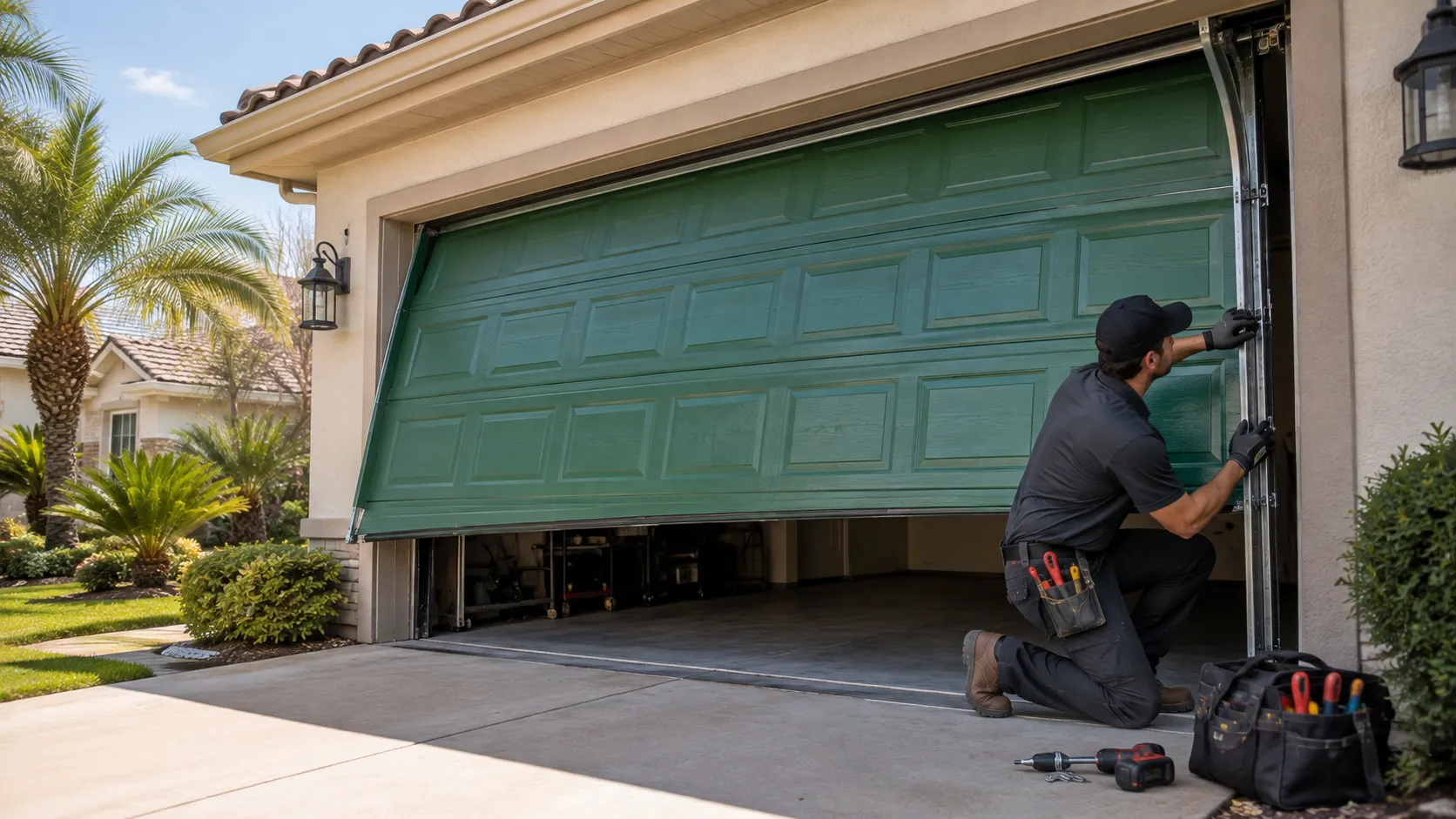
A big share of the housing stock in this service area went up between 1989 and 1992, with most neighborhoods built out across the 1980s and 90s. That matters because Cheyenne sits in a severe cold climate band, and the doors that shipped standard on new construction in that window were mostly single-layer steel or aluminum with no foam core to speak of. Builders in Fox Farm-College, South Greeley, and out toward the Ranchettes weren't required to spec insulated doors the way codes push for now. So you end up with a door skin that's thirty-plus years old, thin, and never designed to hold a temperature line against the kind of cold this town gets for weeks at a stretch. The steel contracts hard overnight and expands fast once the sun hits it, and that constant flex is what loosens hardware, cracks old glazing on any window inserts, and works seals loose year after year. It's not that the door failed all at once. It's that it was never built for this climate to begin with, and thirty winters of cycling have caught up with it.
What Is Going On
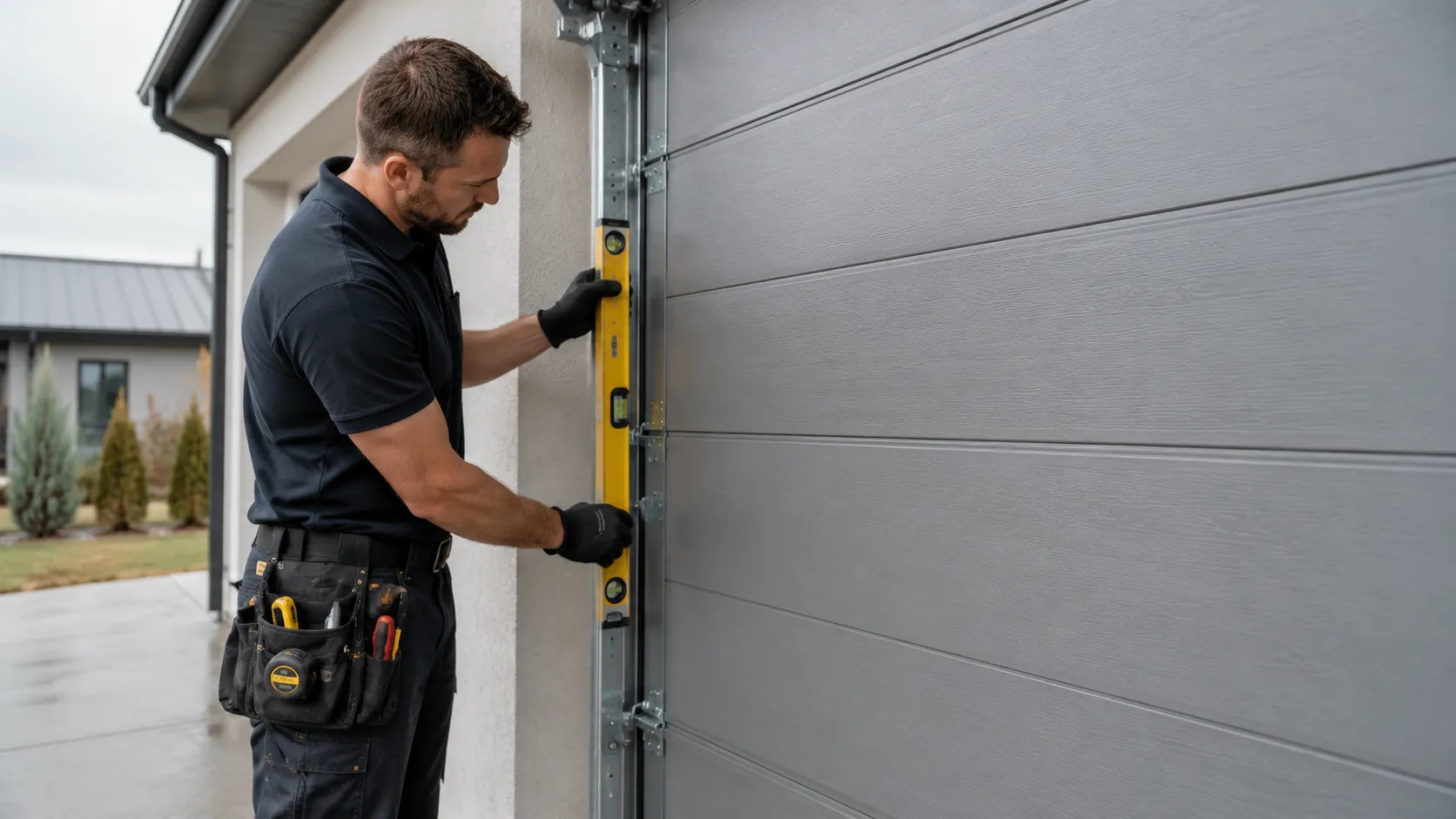
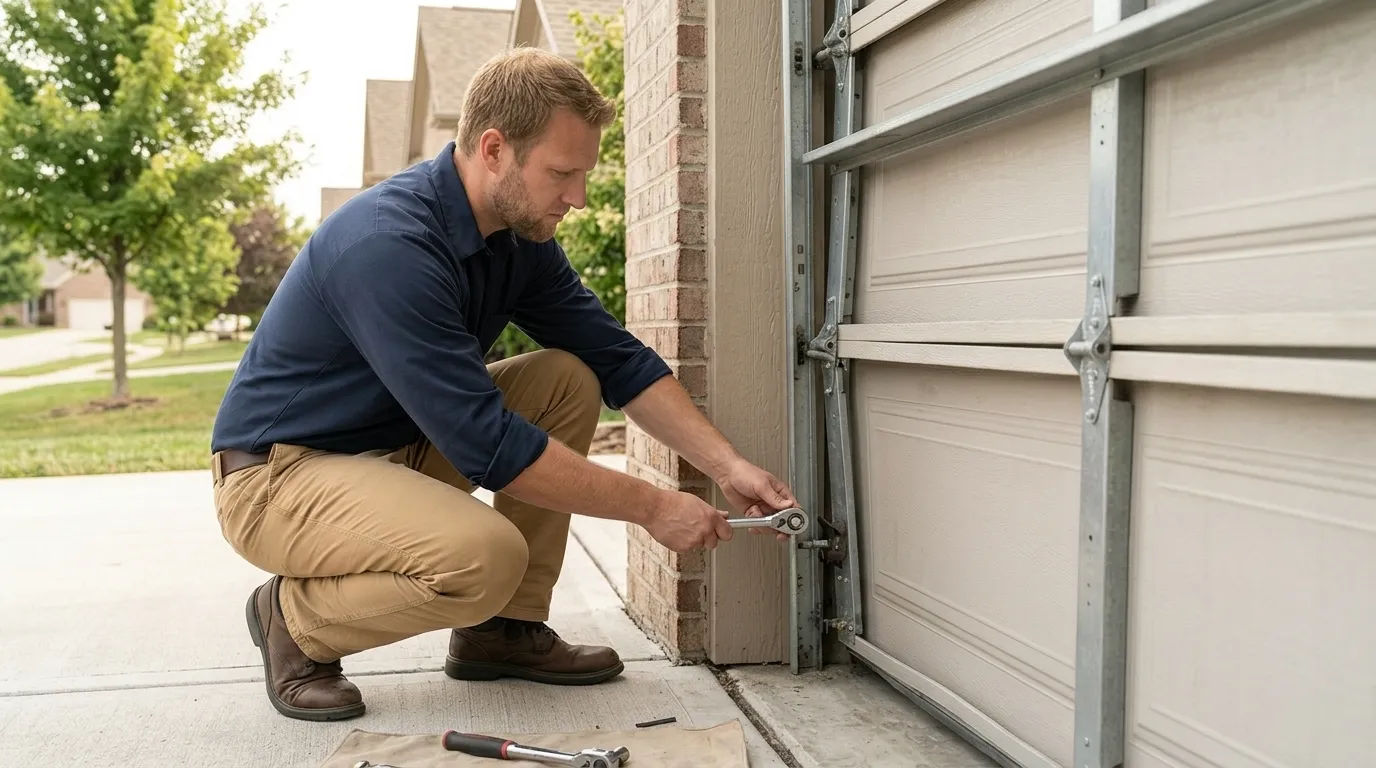
If your door is from that original 1989-1992 build era, the symptoms usually show up as a bottom seal that's gone hard and cracked, a section that whistles at the edges when wind hits the garage face, or a noticeable temperature drop just inside the door on a cold morning. None of that is a spring or opener problem - it's the panel itself doing what an uninsulated steel skin does after three decades of hard freeze-thaw cycling. Fasteners on the track and hinges loosen from the same expansion and contraction, which is often what actually brings a homeowner to call, even though the root cause is the door material, not the hardware. Houses in the older sections of Fox Farm-College and South Greeley see this most, since that's where the original-era doors are still most common. Newer replacement doors installed since then, even on the same houses, don't show the same pattern because they were built to a different standard.
The Cost of This Job
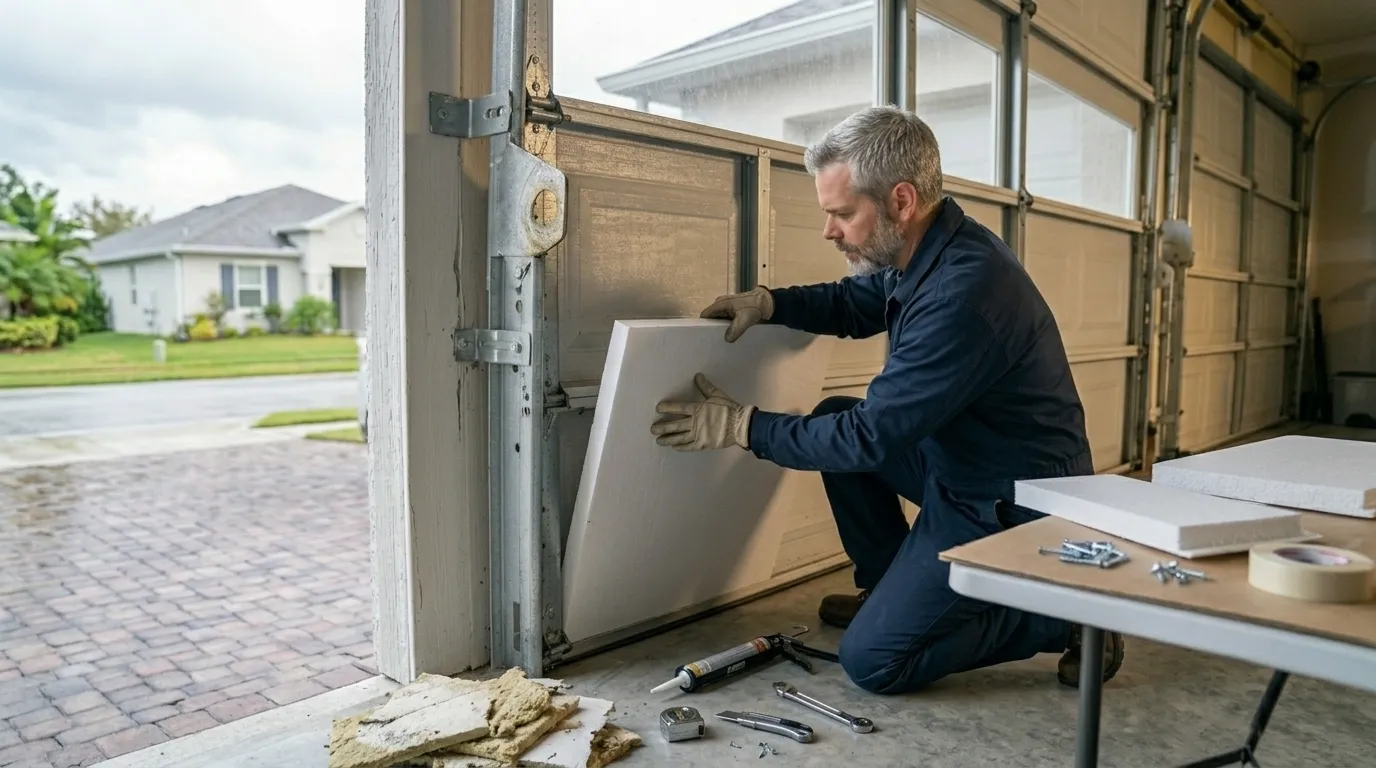
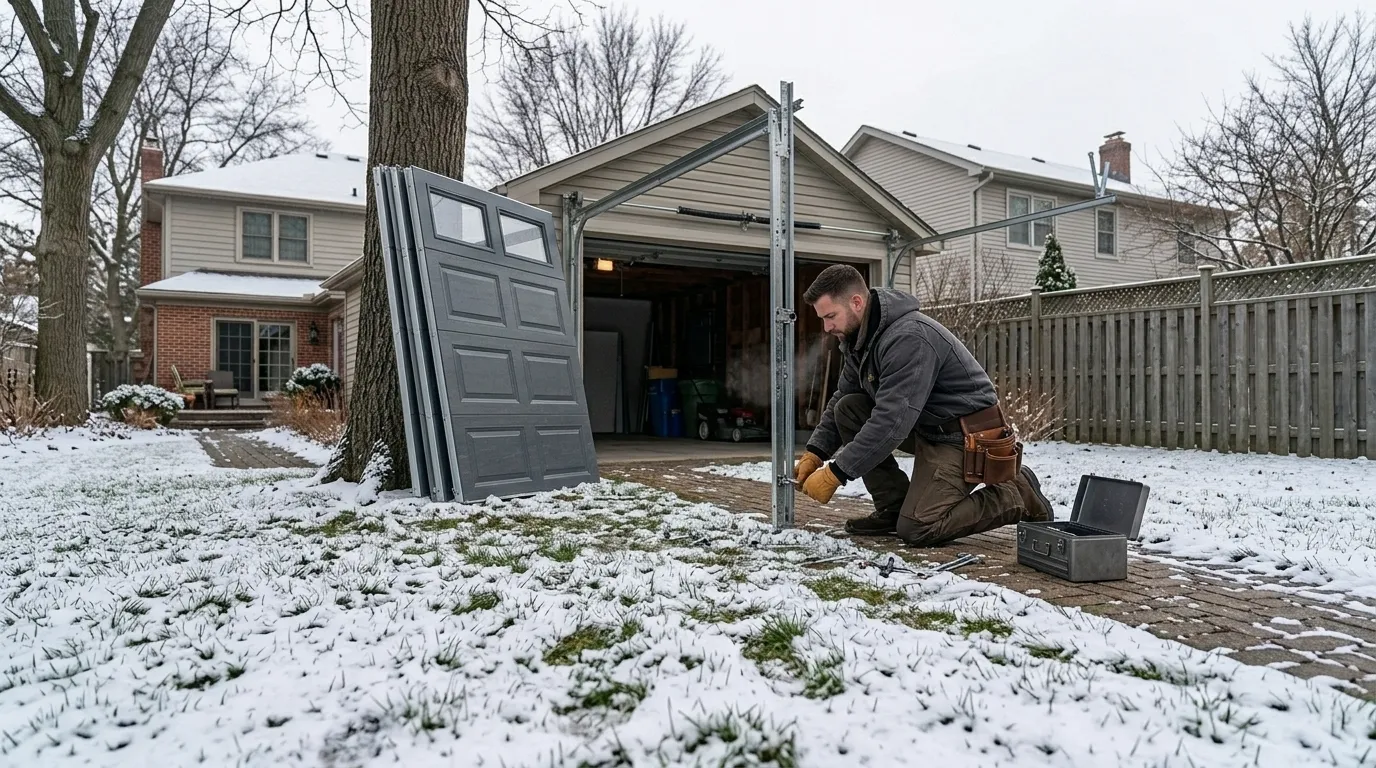
We can't quote a number here without seeing the door - width, whether it's a single or double, and what condition the track and hardware are in all change the job. What we can tell you is that on a house from the 1989-1992 era, the honest options are usually a full replacement with an insulated door built for this climate, or living with the draft and seal issue as a maintenance item. Retrofitting foam board into an old panel is a stopgap at best and doesn't fix a warped or bowed section. If your door is structurally sound and the only issue is an aging bottom seal, that's a cheap fix and not worth replacing the whole door for. If the panels themselves are the problem, replacement is usually the better money in a climate this cold, not a repeated repair.