24/7 Emergency Service Open 7 days · 7am–8pm Serving Cheyenne, WY & nearby
(307) 342-4204
Cheyenne, WY

When the Power Goes Out and the Opener Won't Move

Cheyenne's severe cold and its 1989-1992 housing stock mean openers fail in specific, predictable ways during power cuts. Here's what's going on and what it costs to fix.

When the Power Goes Out and the Opener Won't Move

What the Weather Here Does to It

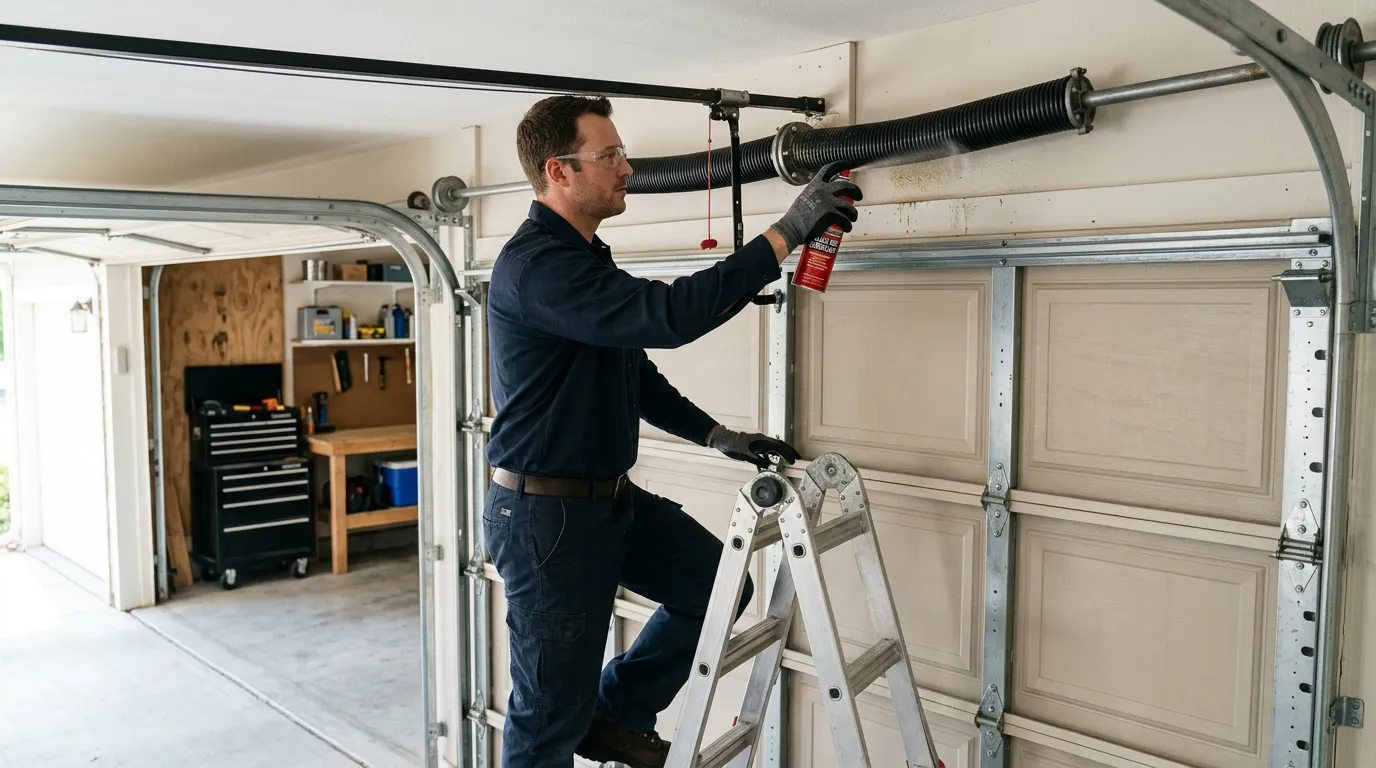
Cheyenne sits in a severe cold climate band, and that matters more for openers than most homeowners expect. Cold doesn't just slow the chain or belt down - it changes how the whole system behaves during a power cut. Grease inside the drive unit thickens below freezing, so a motor that's already straining to pull a stiff door meets extra resistance right when you need it most. Add a winter power outage, common enough here that most houses built in the early 1990s still have the original manual-release cord, and you get the two failures stacked on top of each other: a door that won't move under power, and a release mechanism nobody's touched in years that's stiff from cold and disuse. Most of the housing in this service area went up between 1989 and 1992, so a huge share of openers and their springs are the same age as the house - original equipment, original wiring runs, original release hardware. That's not a coincidence pattern, it's an age pattern. A opener installed in 1990 wasn't built with today's battery-backup standard in mind, so when the power drops, that door is dead weight until someone pulls the cord or the power comes back.

What Is Going On

When a call comes in about a dead opener during a cold snap, it's rarely just one thing. The motor itself is usually fine - it's the chain of parts around it that gives out. Cold makes the lubricant in the rail thick, which draws more current than the circuit expects, and that trips a breaker before the door even moves. Meanwhile, in a power cut, the opener has no way to run at all unless it has battery backup, which most units from the early 90s housing stock in Fox Farm-College, South Greeley, and the Ranchettes simply don't have. On top of that, a torsion spring under tension behaves differently when it's cold - it can bind slightly in the cold-hardened bracket, which makes the door feel heavier than it should even with the opener disengaged. So what looks like 'the opener is broken' is often three smaller cold-driven problems arriving on the same night: thick lubricant, no backup power, and a spring that isn't moving as freely as it did in July.

Checking It Yourself

Before you call anyone, pull the manual-release cord - the red handle hanging from the rail - and see if the door lifts by hand with reasonable effort. If it's heavy or catches, that's spring or track binding, not the opener, and it's not a job to force through in a power cut. If the door lifts easily by hand but the opener won't run once power's back, check the breaker first; cold-thickened lubricant drawing extra current is common enough in houses from the 1989-1992 build era that a tripped breaker is often the whole story. Look at the opener's motor unit for a small battery pack - if there isn't one, that explains why a power cut leaves you stuck instead of running on backup for a few cycles. One honest limitation: I can't tell you over the phone whether a hard-to-lift door is a spring problem or a track problem without seeing it, and guessing wrong on a spring under tension is how people get hurt. That one's worth a look in person.

The Cost of This Job

I don't have a fixed number to give you here - what it costs depends on whether it's lubricant and a breaker reset or a spring that's binding badly enough to need replacement, and that's the kind of thing that has to be seen, not quoted blind. What I can tell you is that with median household income in this service area at $53,625, most jobs I see get evaluated on a repair-first basis rather than push toward a full opener swap, unless the unit's old enough and worn enough that patching it doesn't make sense anymore. If your opener is original to a house built in the early 1990s and it's stalling every cold snap, that's worth weighing against a new unit with battery backup built in, rather than paying to keep coaxing the same motor through another winter.
How it works

From “it’s stuck” to “it’s fixed”

A quick, honest process - no guesswork and no surprises.

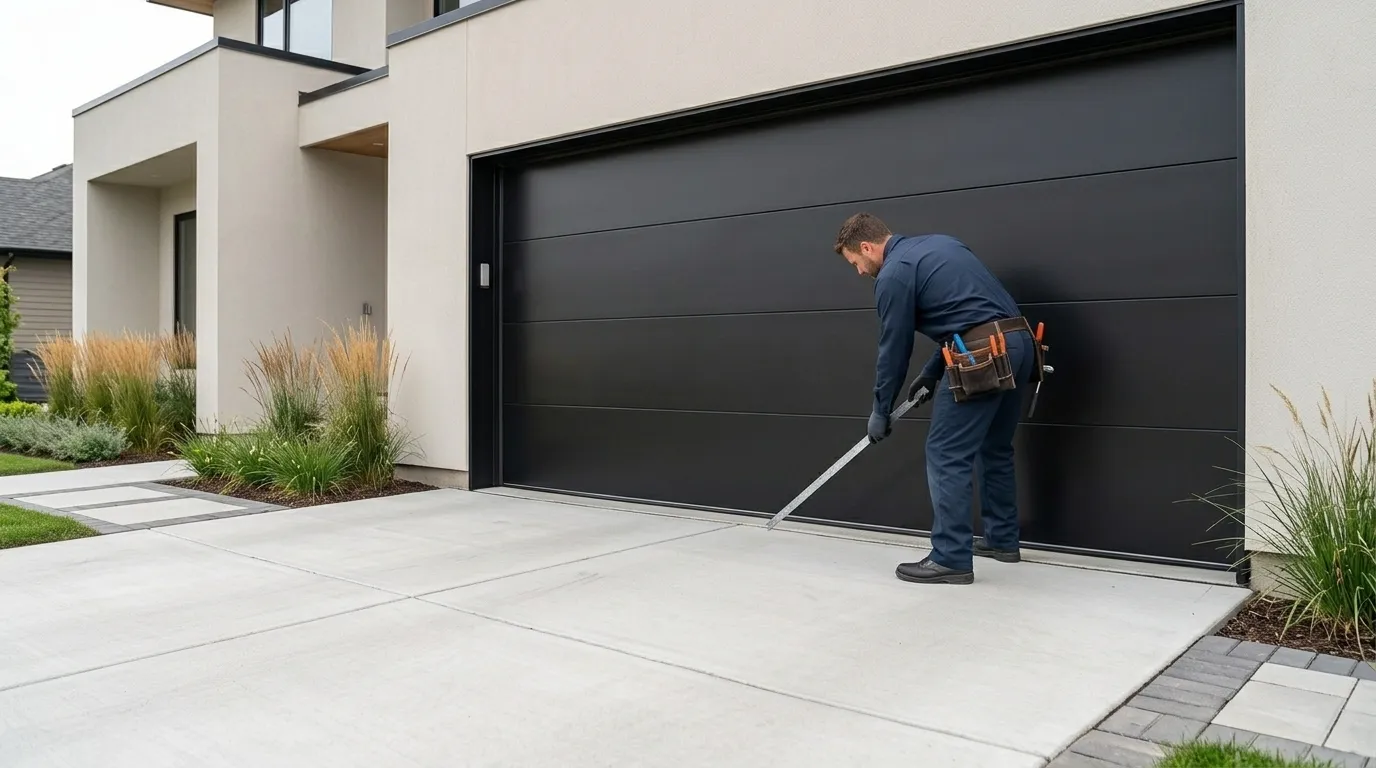
  1. Tell us what’s wrong - Cheyenne garage door service
    1

    Tell us what’s wrong

    Describe the symptom - won’t open, loud bang, opener runs but the door won’t move.

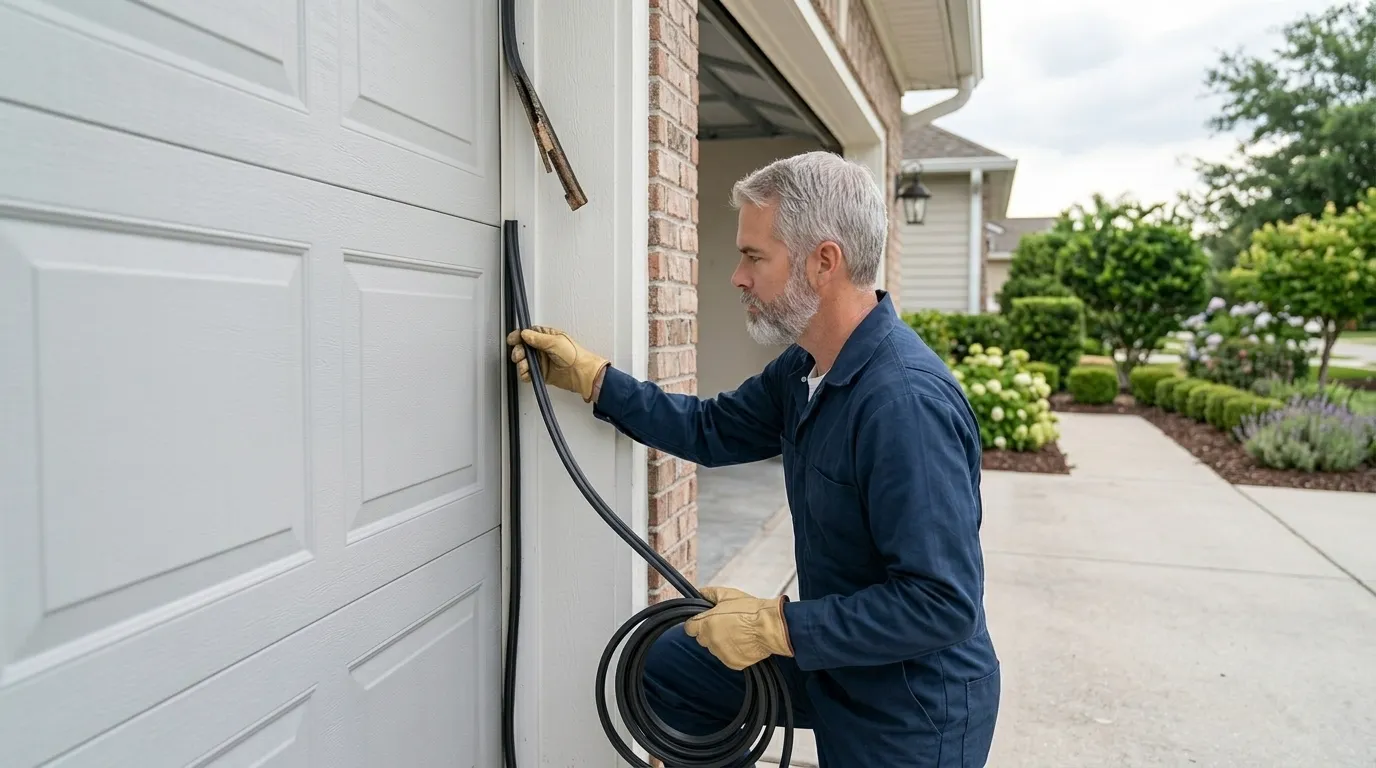
  2. On-site diagnosis - Cheyenne garage door service
    2

    On-site diagnosis

    A technician tests the door under power and by hand and finds what actually failed.

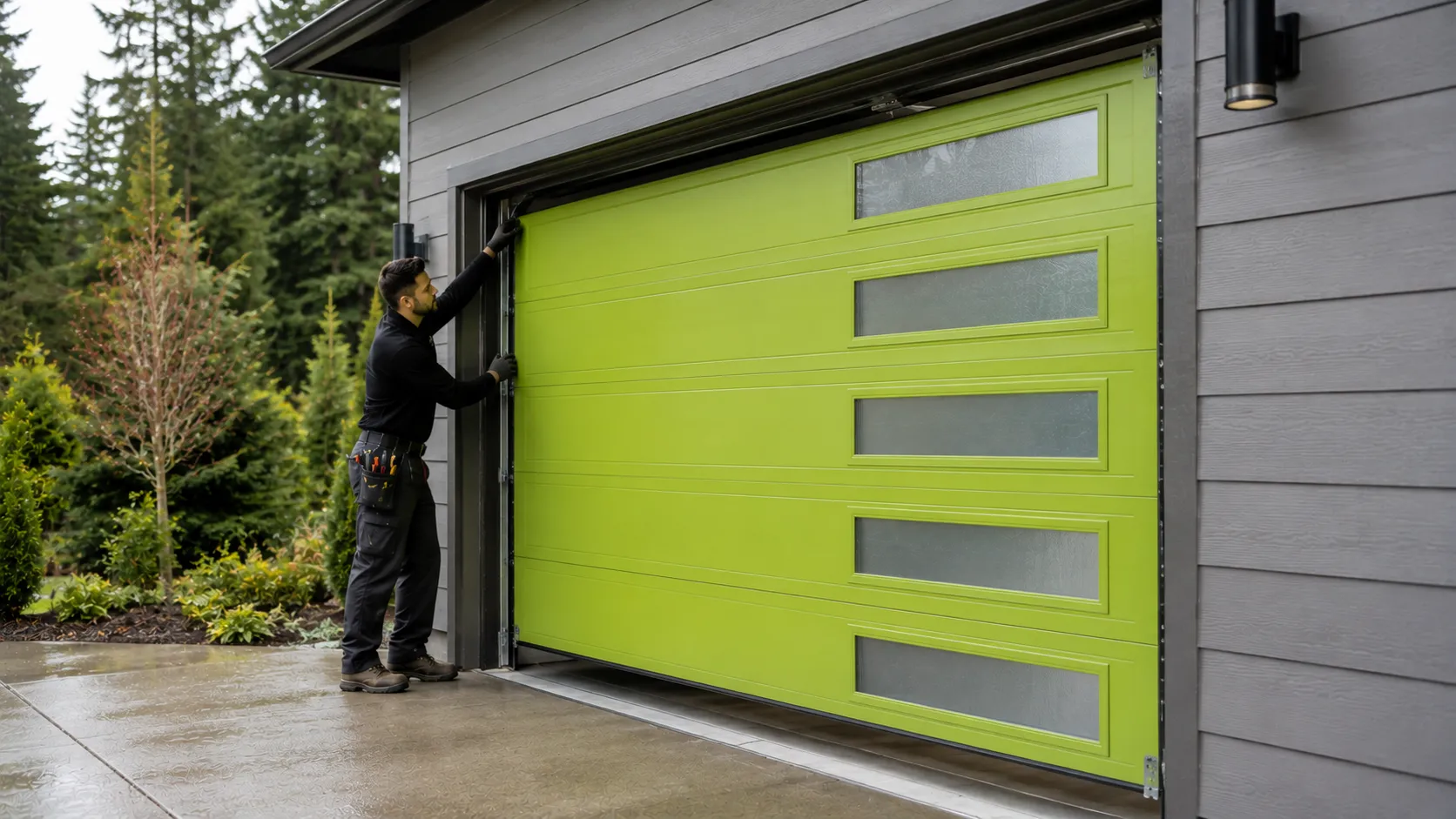
  3. Clear, up-front plan - Cheyenne garage door service
    3

    Clear, up-front plan

    You get the fix that’s needed and what drives the cost - before any work starts.

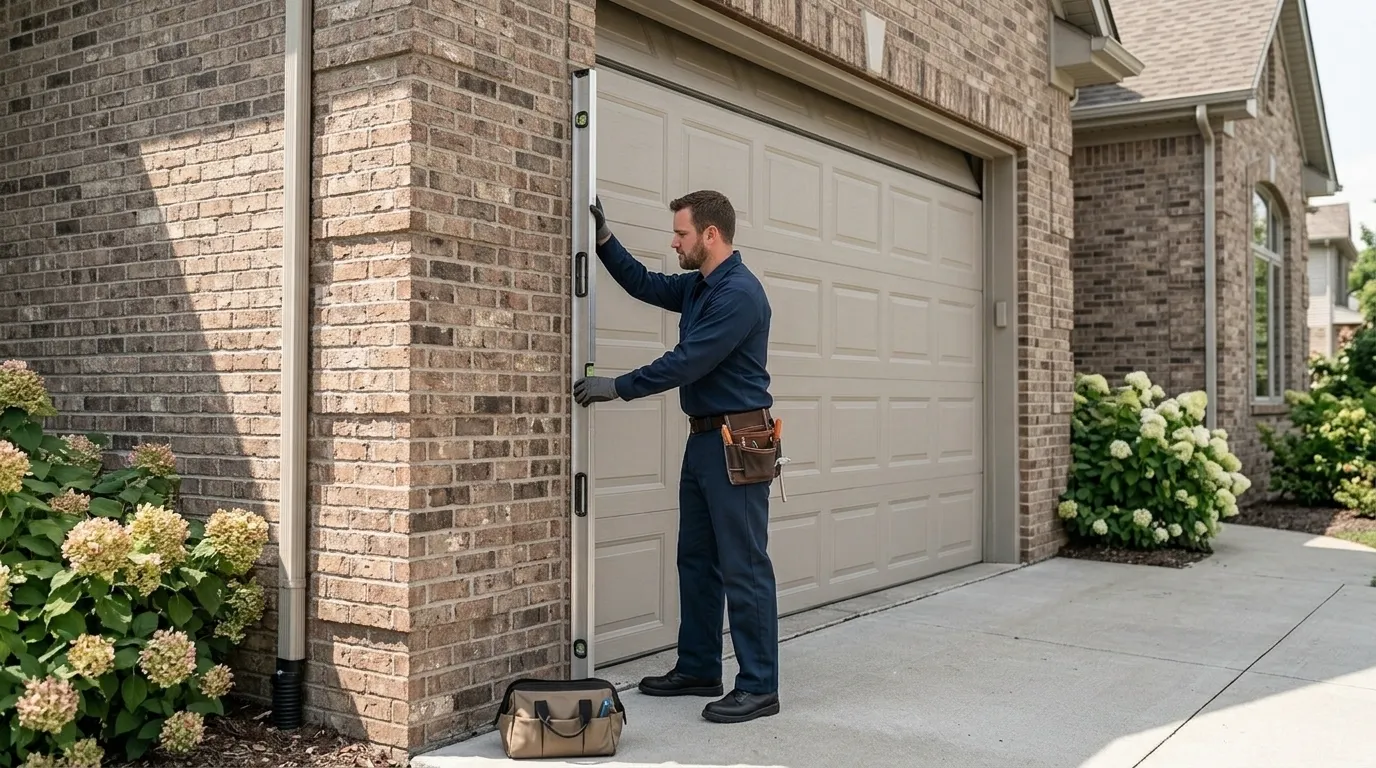
  4. Repaired & tested - Cheyenne garage door service
    4

    Repaired & tested

    The repair is done, the door is set true and tested, and the work area left clean.

Serving Cheyenne, WY - tell us what your door’s doing and we’ll take it from there.

How we work

What to expect

Diagnosis first

Every visit starts by finding what actually failed - not a pre-written parts list.

The right part for the door

Springs and openers matched to the door’s weight and age, so the fix holds up.

Straight answers

When a repair makes more sense than a replacement - or the reverse - you hear it plainly.

Clean, careful work

Tension released safely, hardware set true, the door tested under power before we leave.

Questions

Frequently asked

Straight answers about garage door repair in Cheyenne. Still unsure? Ask us directly.

Why does my garage door opener stop working every time it's really cold out in Cheyenne?

Cold thickens the lubricant in the opener's rail and in the torsion spring's bracket, which makes the motor work harder and can trip a breaker before the door moves. It's a mechanical resistance problem, not usually a broken motor, and it shows up hardest on units original to the early-1990s housing stock common here.

My power went out and now the garage door won't open at all - what do I do?

Pull the red manual-release cord hanging from the opener rail and lift the door by hand. If it's original equipment from a house built around 1990, there's likely no battery backup, so a power cut leaves it fully manual until power returns or you get backup added.

Is it my spring or my opener that's the problem?

If the door lifts easily by hand after you pull the release cord, it's the opener or the power. If it's heavy or binds while lifting by hand, that's the spring or track, and it needs an in-person look rather than a guess - forcing a bound spring is a real injury risk.

Ready to get your garage door sorted?

Tell us what it’s doing and where you are in Cheyenne - we’ll take it from there.

Request a QuoteCall