24/7 Emergency Service Open 7 days · 7am–8pm Serving Cheyenne, WY & nearby
(307) 342-4204
Cheyenne, WY

When a Spring Goes in Cold Weather

Why springs snap more in Cheyenne's cold, what 1989-92 build-era hardware means for your door, how to check it yourself, and what the repair actually runs.

When a Spring Goes in Cold Weather

What the Weather Here Does to It

Steel doesn't like the cold, and Cheyenne sits in a climate band classed as cold and severe. That matters more than most owners think. A torsion spring is just wound steel under constant tension, and cold steel is less elastic than warm steel - it takes the same daily stretch and give with less flex to absorb it. Every time that door goes up and down on a January morning, the spring is working closer to its breaking point than it would on a mild fall day.

This isn't a once-a-winter problem. It's cumulative. A spring rated for a certain number of cycles gets there faster when a chunk of those cycles happen in sub-freezing air. Owners in this area tend to notice the failures cluster in the coldest stretches, and that's not coincidence - it's metal fatigue accelerated by temperature swings that are part of daily life here.

We're not going to tell you to keep your garage heated to fix this. Most people don't and won't. What we will say is that if your door is groaning, jerking, or hesitating on cold mornings, that's the spring telling you it's near the end, not a quirk of the weather to ignore.

What Is Going On

A lot of the housing stock in this service area - around Fox Farm-College, South Greeley, and out toward the Ranchettes - went up between 1989 and 1992. That's a specific window, and it matters here because it means a large share of these doors are still running on original torsion hardware from that build era, springs that are now more than three decades old.

Torsion springs have a rated cycle life, and cold-weather stress eats into that life faster than the rating assumes. So what looks like a random snap on a Tuesday morning is usually a spring that was already near its limit, pushed over by a cold snap. The door itself - panels, track, rollers - from that same era is often still fine. It's the spring that gives out first because it's the part doing the most repetitive work under the most tension.

With roughly 2,753 owner-occupied houses across this area, a meaningful number of them are sitting on hardware from that same narrow build window, which means a meaningful number are due, whether or not a spring has failed yet.

Checking It Yourself

You can get a read on where your spring stands without touching it. Stand where you can see the spring above the door - most doors from this era use a single torsion spring on a center shaft. Look for a gap in the coil, which means it's already broken, or for rust and flaking that's worse than the rest of the hardware around it. Rust weakens steel from the outside in, and it shows up faster on a spring that's cycling in cold, dry air.

Listen when the door runs. A loud bang followed by the door refusing to open with the opener, but moving if you pull the release cord and lift by hand, is the classic sign of a snapped spring - not an opener problem.

Here's the honest limit: don't touch the spring itself. It's under enough tension to cause a serious injury, and there's no safe way to test or adjust it without the right bars and clamps. Checking for visible wear is fine. Winding, unwinding, or replacing it yourself isn't a weekend project - that's the one place we'd tell you to stop and call.

The Cost of This Job

We don't have a set number to give you without seeing the door - spring size, door weight, and whether it's a single or double torsion setup all change the job. What we can tell you is how owners here tend to think about it. With a median household income of $53,625 in this area, most people weigh a spring replacement against the idea of just living with a slower door for a while, and that's a real trade-off worth thinking through rather than a decision to rush.

A straight spring swap on an original torsion setup is usually the more affordable path, especially on doors from the 1989-1992 stock that are otherwise sound. Where it gets more expensive is when the spring failure has already stressed the opener or the cable has jumped the drum - that turns a spring job into a bigger repair.

If your door is already showing wear beyond the spring - sagging panels, rollers grinding in the track - replacement can end up cheaper over time than repeated hardware fixes. We'll tell you which situation you're in before doing any work, not after.
How it works

From “it’s stuck” to “it’s fixed”

A quick, honest process - no guesswork and no surprises.

  1. Tell us what’s wrong - Cheyenne garage door service
    1

    Tell us what’s wrong

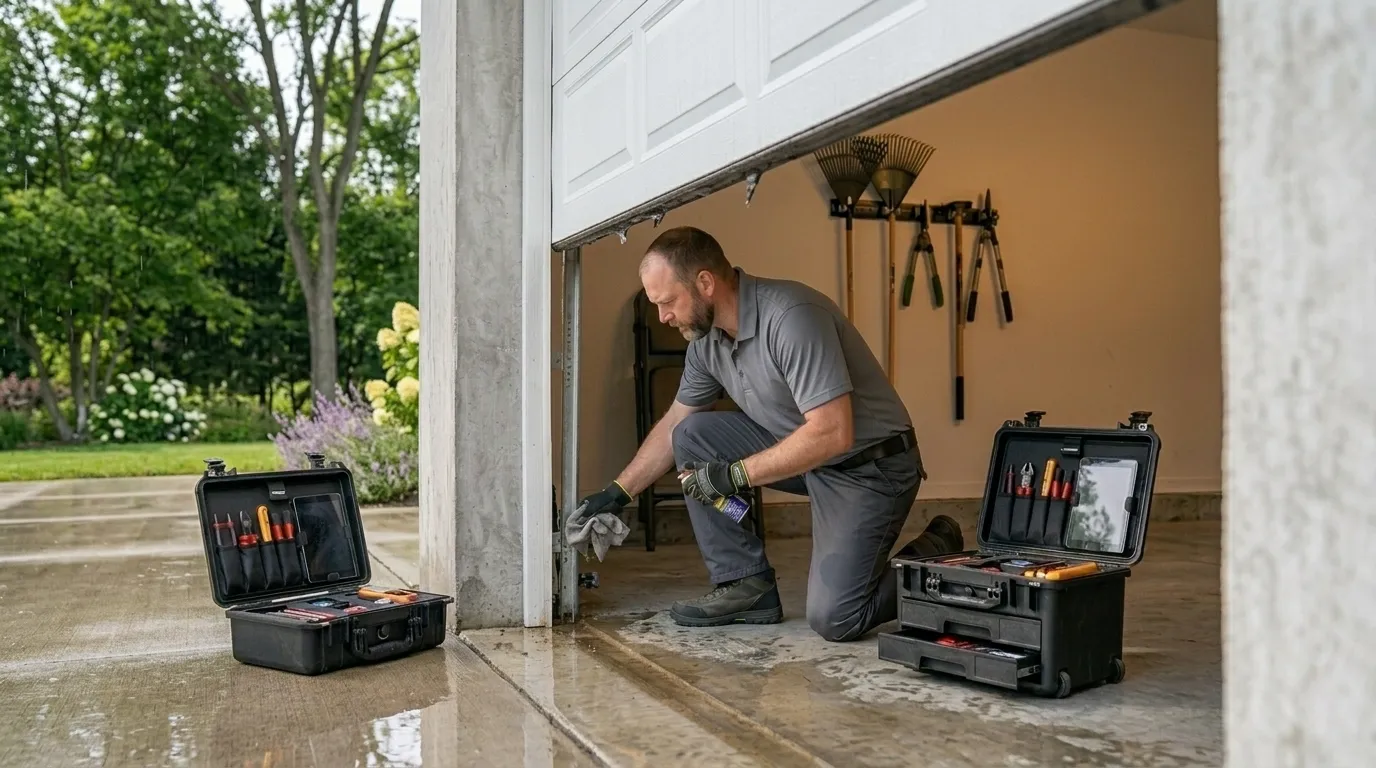
    Describe the symptom - won’t open, loud bang, opener runs but the door won’t move.

  2. On-site diagnosis - Cheyenne garage door service
    2

    On-site diagnosis

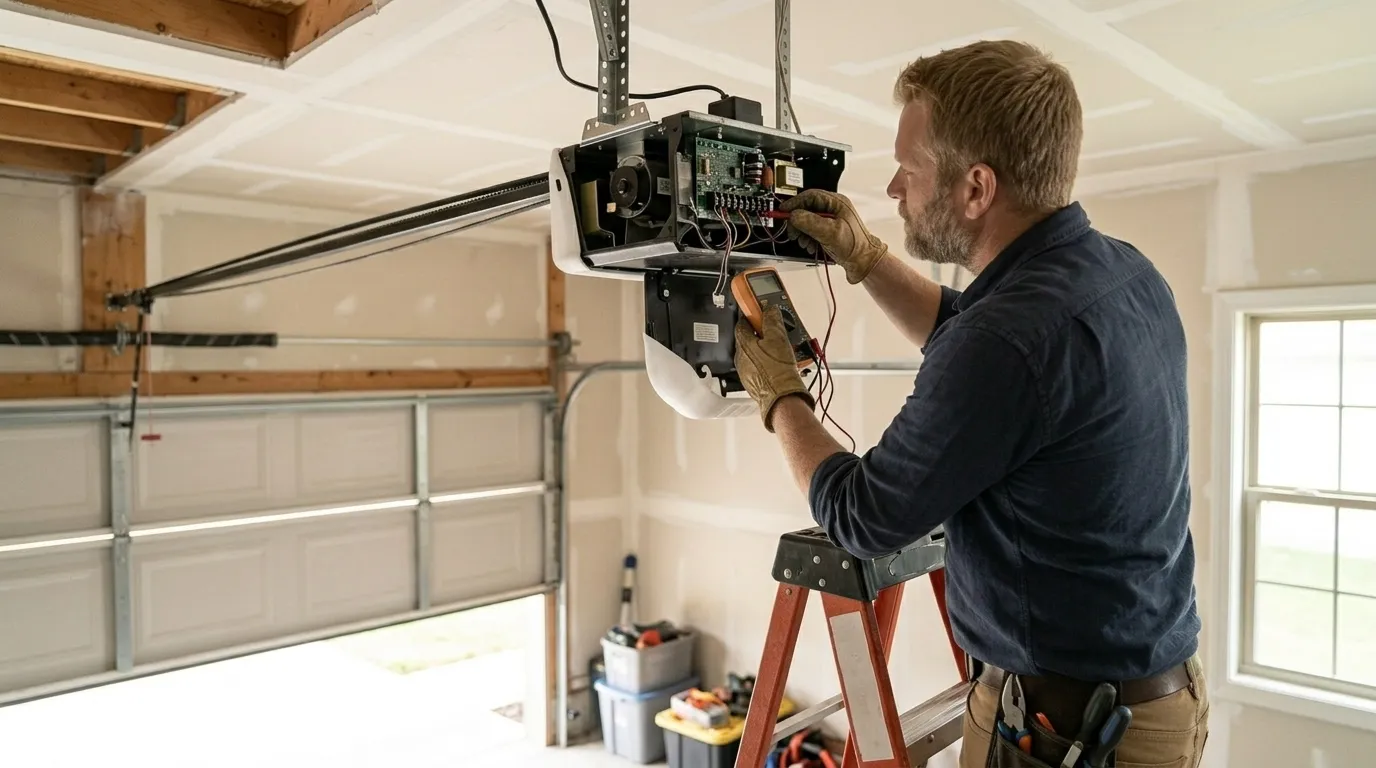
    A technician tests the door under power and by hand and finds what actually failed.

  3. Clear, up-front plan - Cheyenne garage door service
    3

    Clear, up-front plan

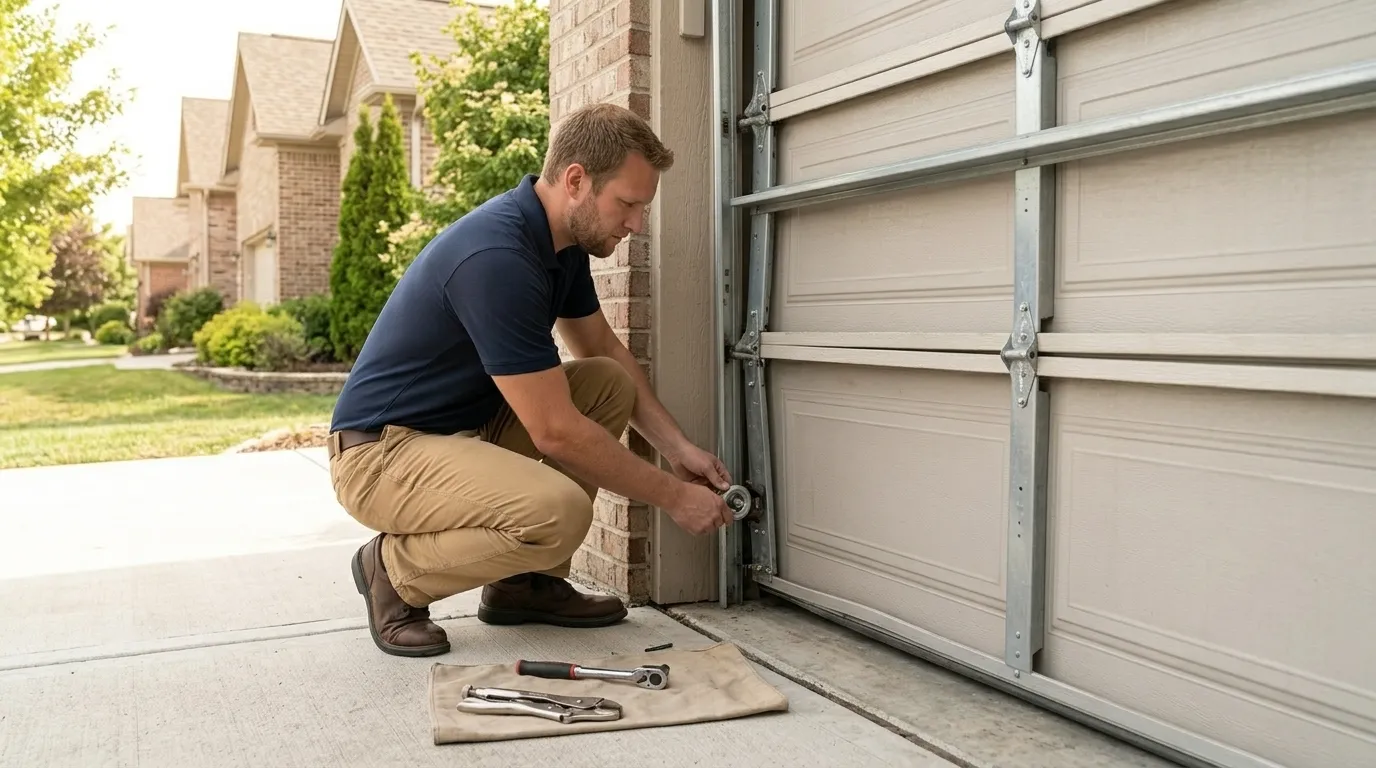
    You get the fix that’s needed and what drives the cost - before any work starts.

  4. Repaired & tested - Cheyenne garage door service
    4

    Repaired & tested

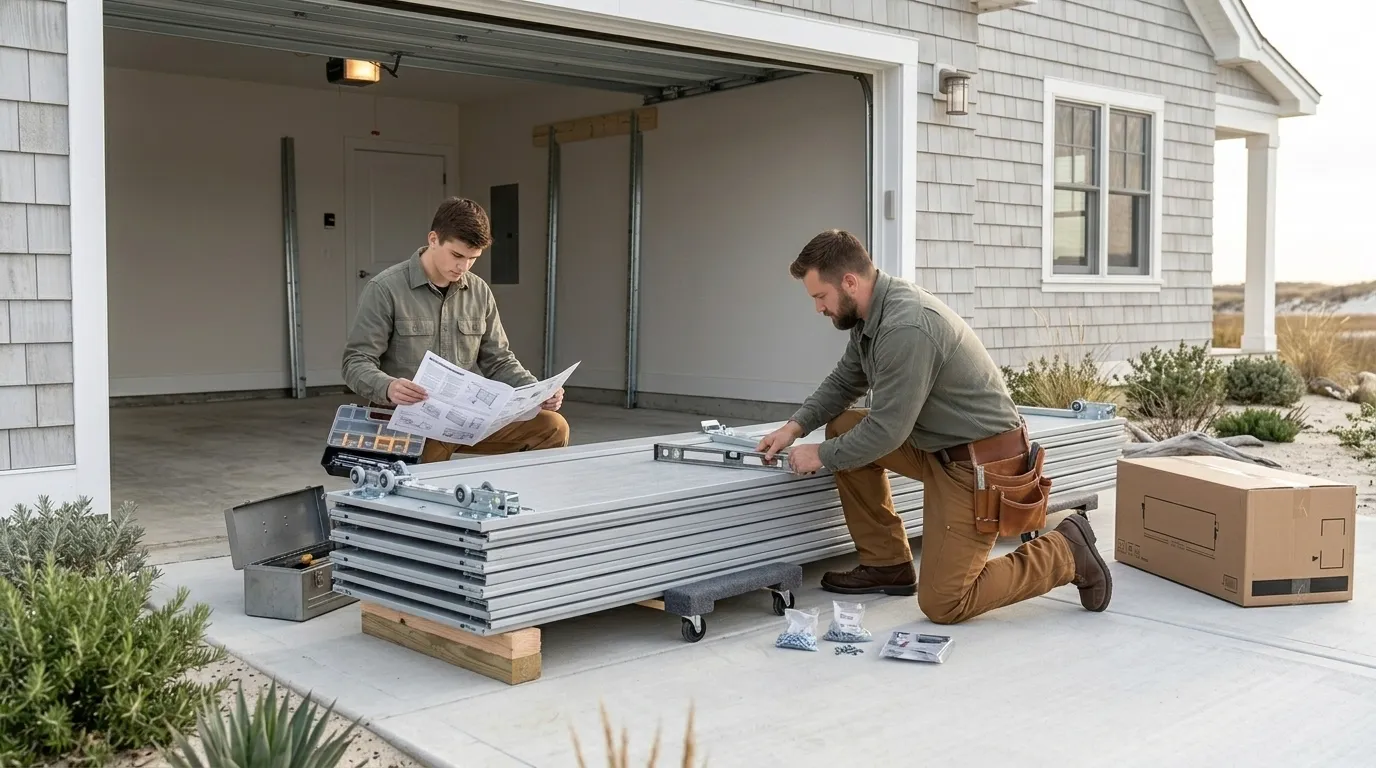
    The repair is done, the door is set true and tested, and the work area left clean.

Serving Cheyenne, WY - tell us what your door’s doing and we’ll take it from there.

How we work

What to expect

Diagnosis first

Every visit starts by finding what actually failed - not a pre-written parts list.

The right part for the door

Springs and openers matched to the door’s weight and age, so the fix holds up.

Straight answers

When a repair makes more sense than a replacement - or the reverse - you hear it plainly.

Clean, careful work

Tension released safely, hardware set true, the door tested under power before we leave.

Questions

Frequently asked

Straight answers about garage door repair in Cheyenne. Still unsure? Ask us directly.

Why did my spring break in the middle of winter with no warning?

Cold steel flexes less than warm steel, so a spring nearing the end of its cycle life is more likely to fail during a cold snap than during a mild stretch. It usually isn't sudden damage - it's a spring that was already close to done, pushed over by the temperature.

My house was built in the early 1990s - should I worry about the spring even if it hasn't broken?

Worth checking. A lot of houses in this area, from Fox Farm-College out to South Greeley and the Ranchettes, went up between 1989 and 1992, and original torsion springs from that window are now well past three decades old, which is old for that part.

Can I just tighten or adjust the spring myself?

No. A torsion spring holds real tension even when the door looks still, and adjusting it without the right bars is a serious injury risk. Checking for visible rust or a gap in the coil is fine to do yourself - winding or replacing it isn't.

Is one spring enough or do I need two?

Depends on the door and setup. Some doors from this era run a single torsion spring, others run two. We can tell you which you have and whether it makes sense to replace both at once if one has already failed, since they tend to age at a similar rate.

Ready to get your garage door sorted?

Tell us what it’s doing and where you are in Cheyenne - we’ll take it from there.

Request a QuoteCall