Why It Happens Here
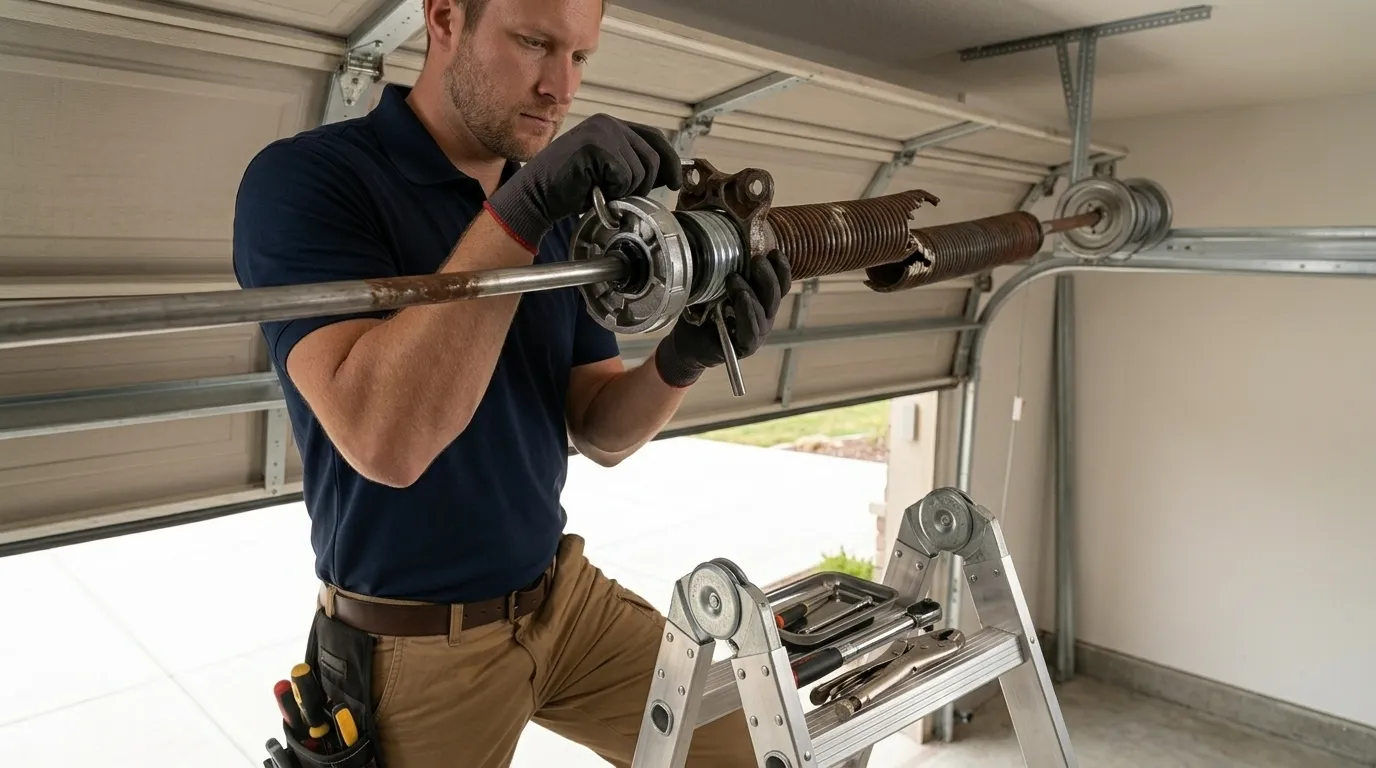
Most of the houses in Fox Farm-College, South Greeley, and the Ranchettes went up between 1989 and 1992, part of a broader wave of 1980s-90s construction that makes up most of the housing stock in this service area. That matters because the torsion springs and openers installed when those doors first went in are now more than three decades old. A torsion spring is rated for a set number of open-close cycles, not years, but thirty-plus winters of use gets most of them there regardless.
Cheyenne's winters sit in the severe end of the cold climate band, and that's the other half of the problem. Cold doesn't just make grease thick and rollers stiff - it makes steel less forgiving. A spring that's already fatigued from age loses flexibility faster in sustained cold, and instead of gradually sagging it tends to let go all at once, usually on the coldest morning of the stretch. Doors in South Greeley and Fox Farm-College, both close in, and out in the Ranchettes six miles from downtown, are all riding the same clock because they were mostly built in that same window.
The Cost of This Job
We're not going to put a number here that isn't tied to your actual door, because it would be a guess. What drives the cost on a job like this is whether it's one spring or two, the size and weight of the door (a double door needs heavier torsion springs than a single), whether the drum and cable are worn enough to replace at the same time, and whether the opener's gears or capacitor are also on their way out - which is common when everything on the door is the same age.
Across the roughly 2,753 owner-occupied houses in this service area, a lot of them share that same 1980s-90s build wave, so we see the spring-and-opener combination fail together often enough that it's worth checking both when one goes. That's the honest answer: we look at the door before we quote it, because guessing a price over the phone on a 33-year-old system does the homeowner no favors.
What the Repair Takes
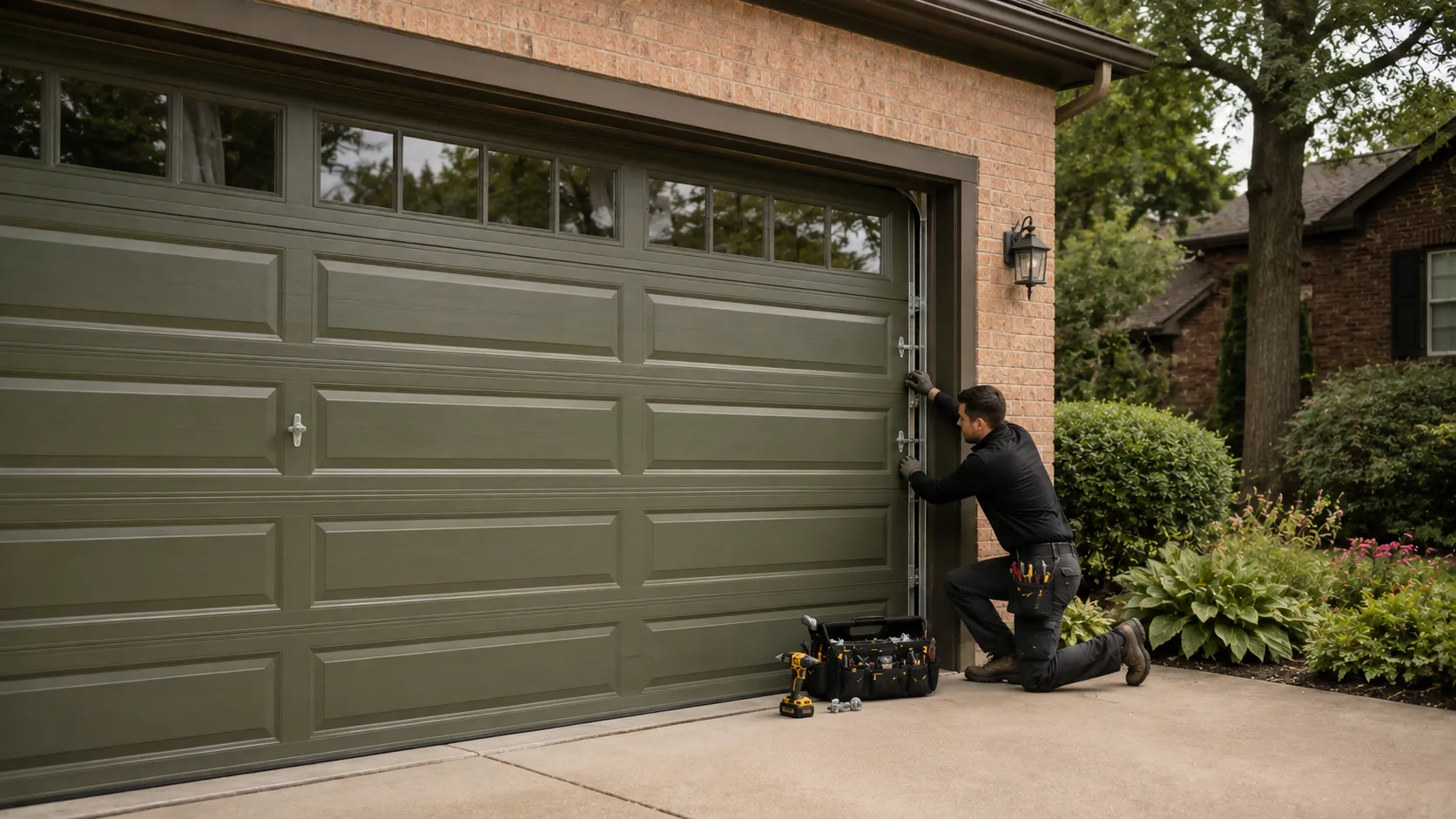
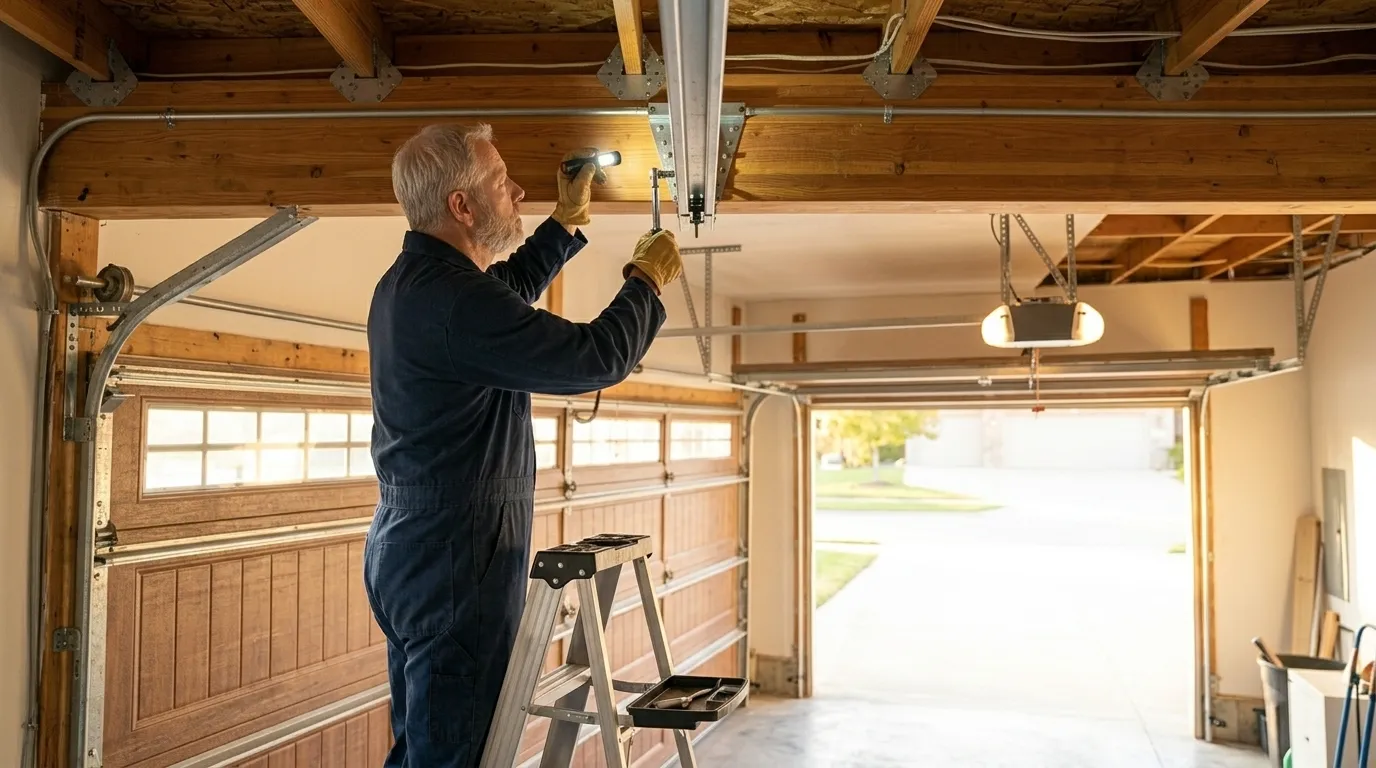
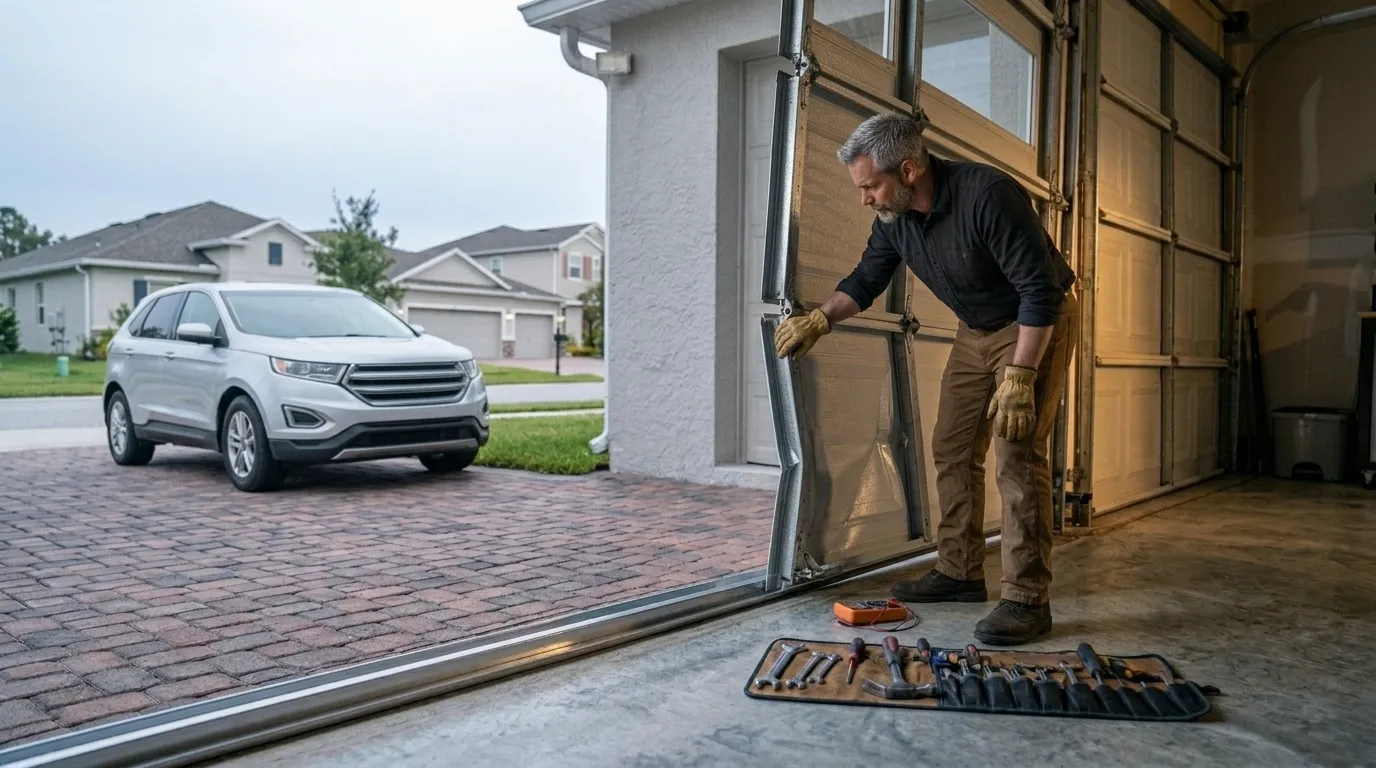
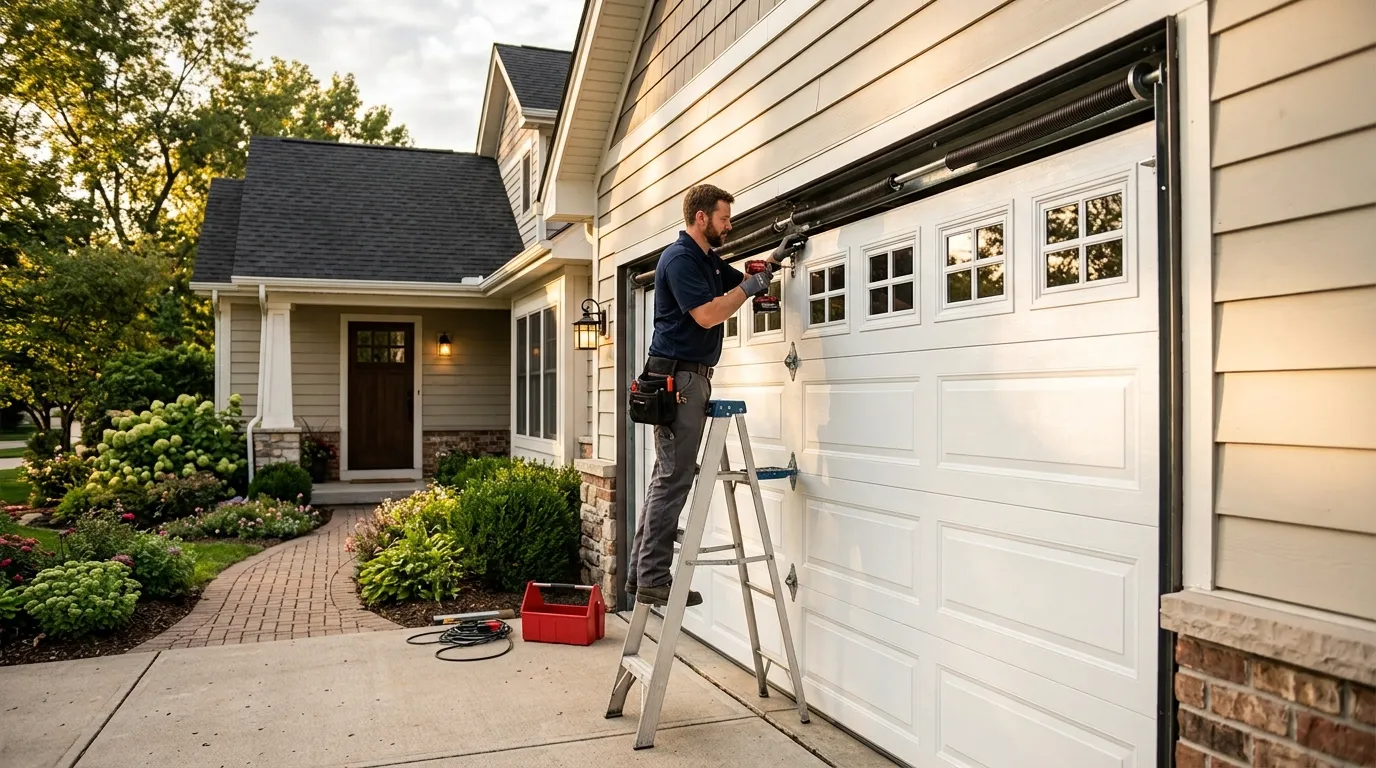
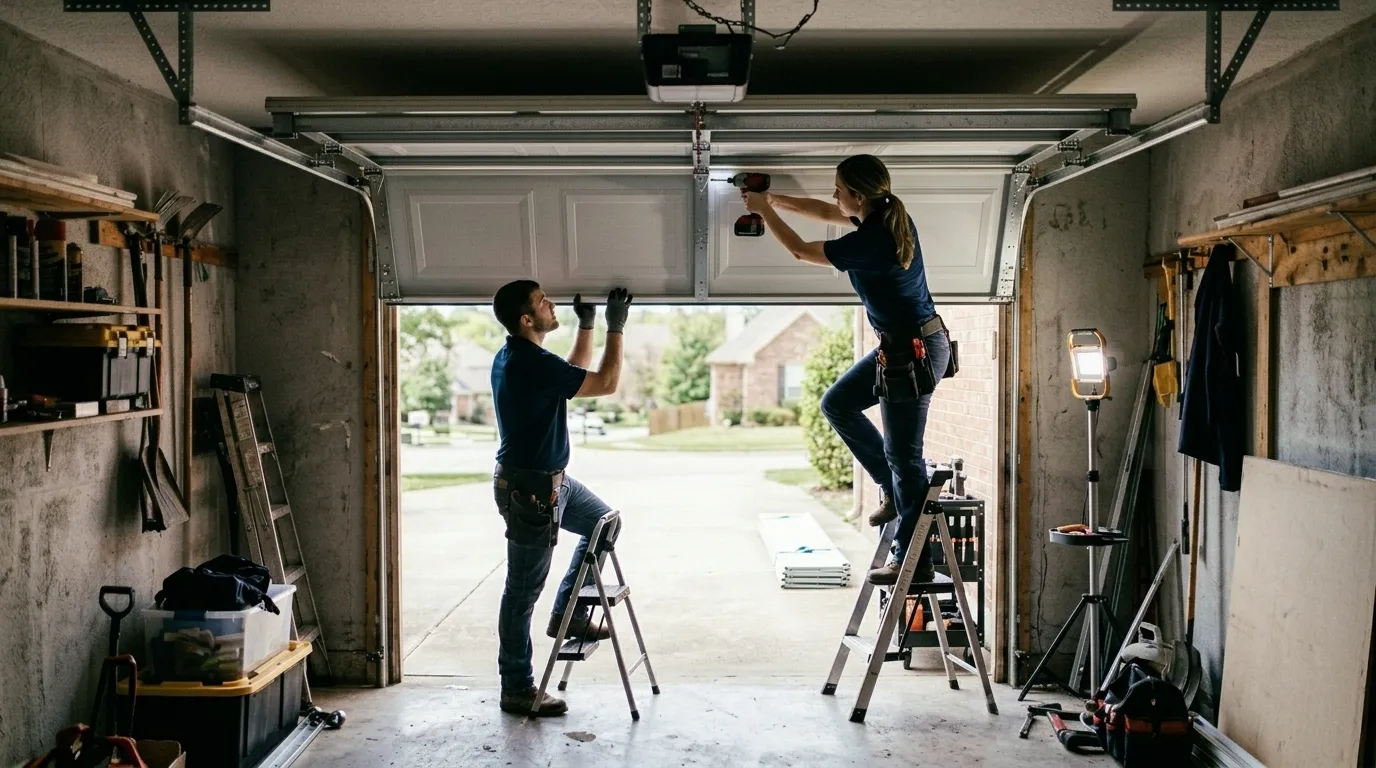
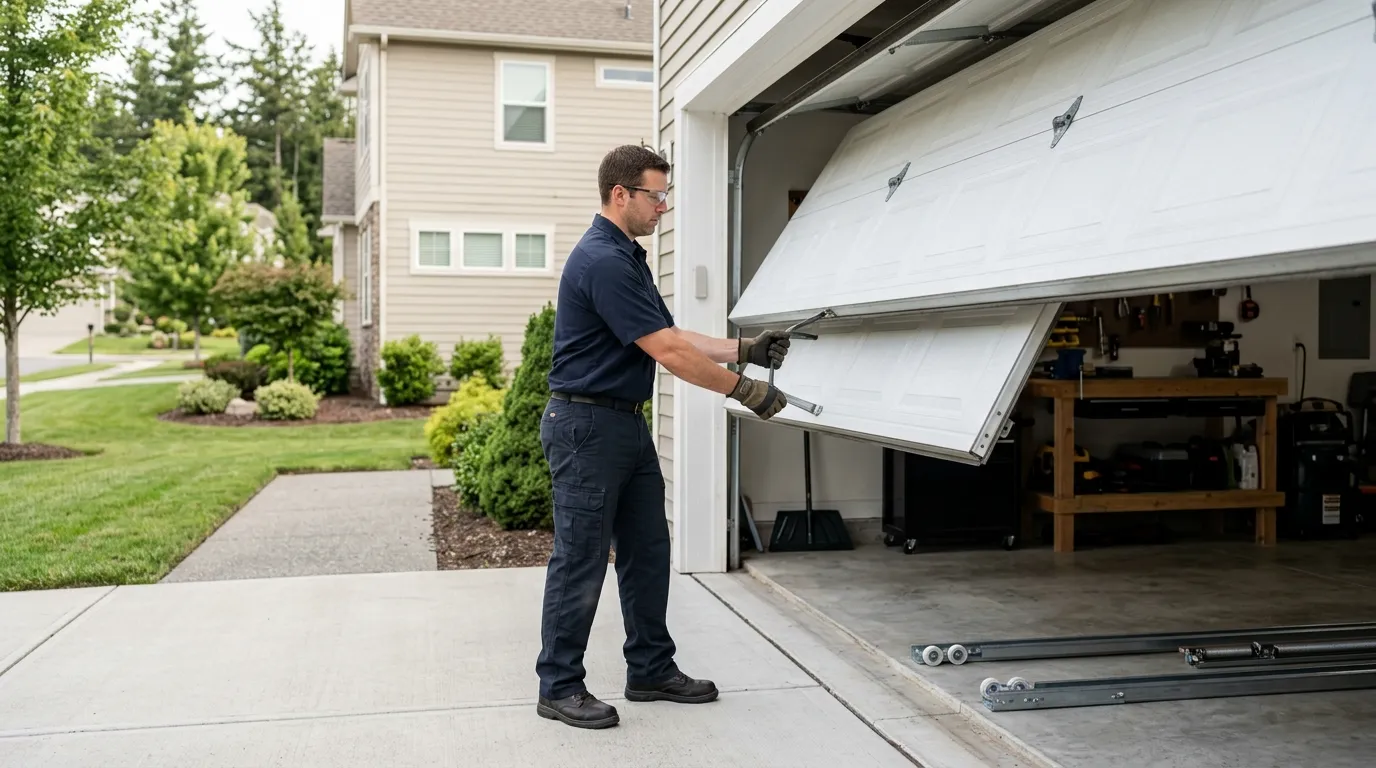
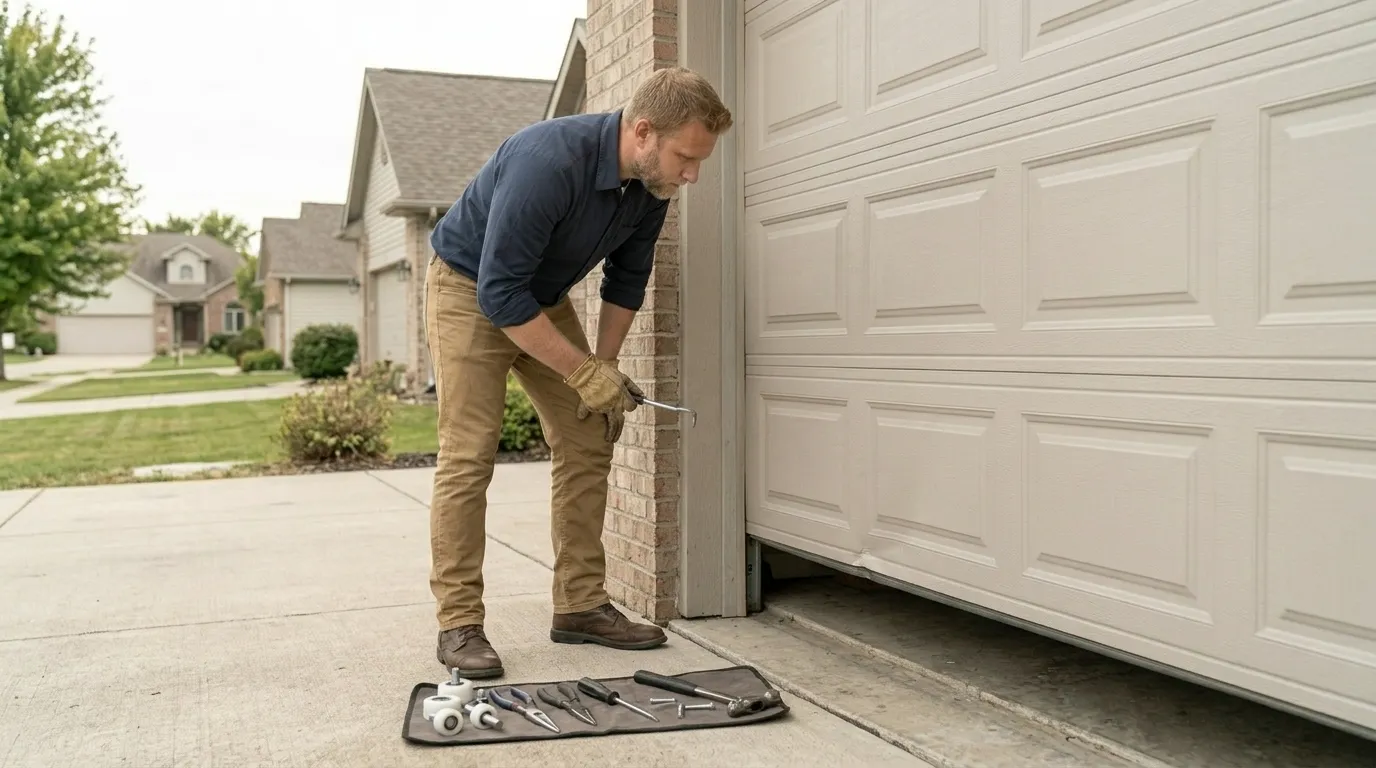
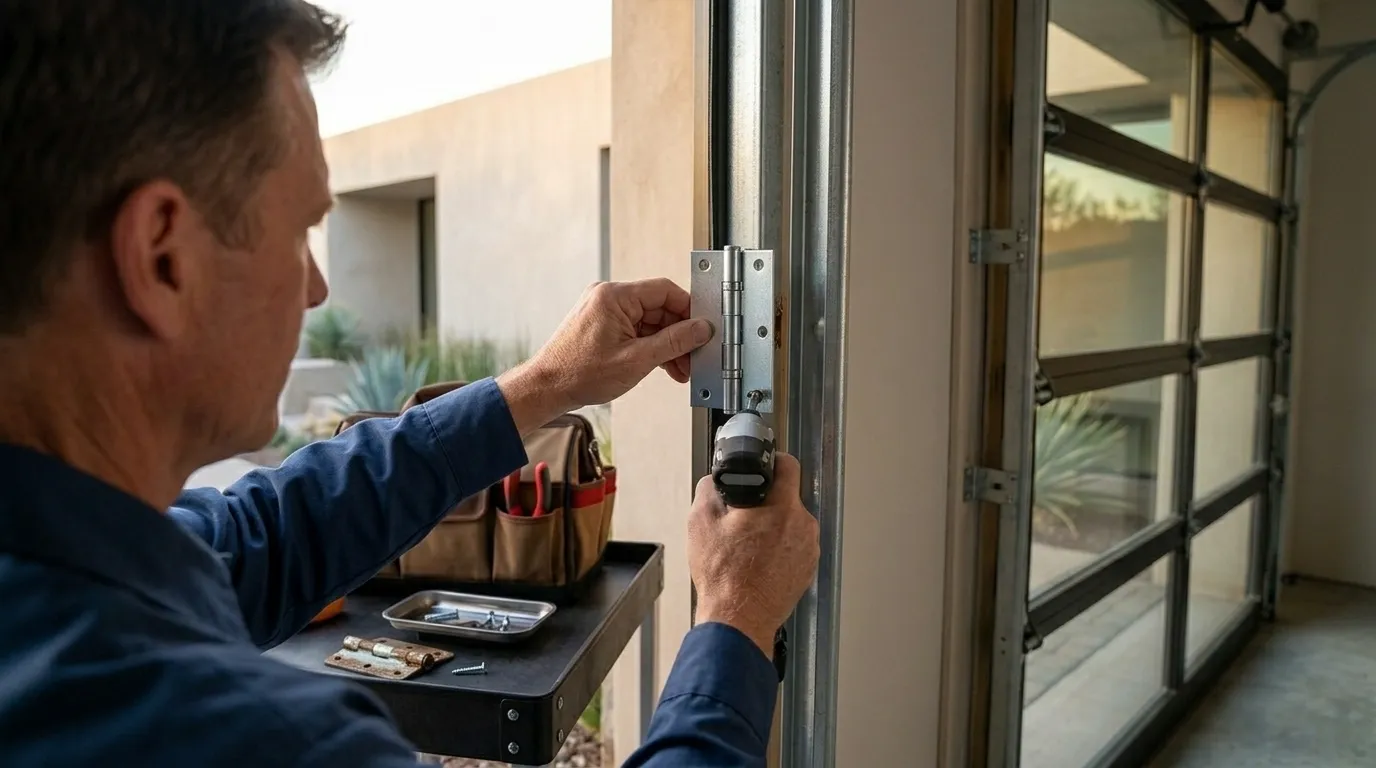
For a broken torsion spring, the job itself is a couple of hours on site once we've confirmed the spring size and whether the drums, cables, or bottom brackets need attention too - on a door this age, we usually check all of it rather than swap one part and leave the rest to fail next month. We carry common spring sizes on the truck, but doors from this era occasionally used hardware that's no longer a stock size, and in that case there's a short wait on the part rather than a same-visit fix. That's the one honest limitation worth stating up front: we don't want to force a mismatched spring onto an older door just to finish the job in one trip.
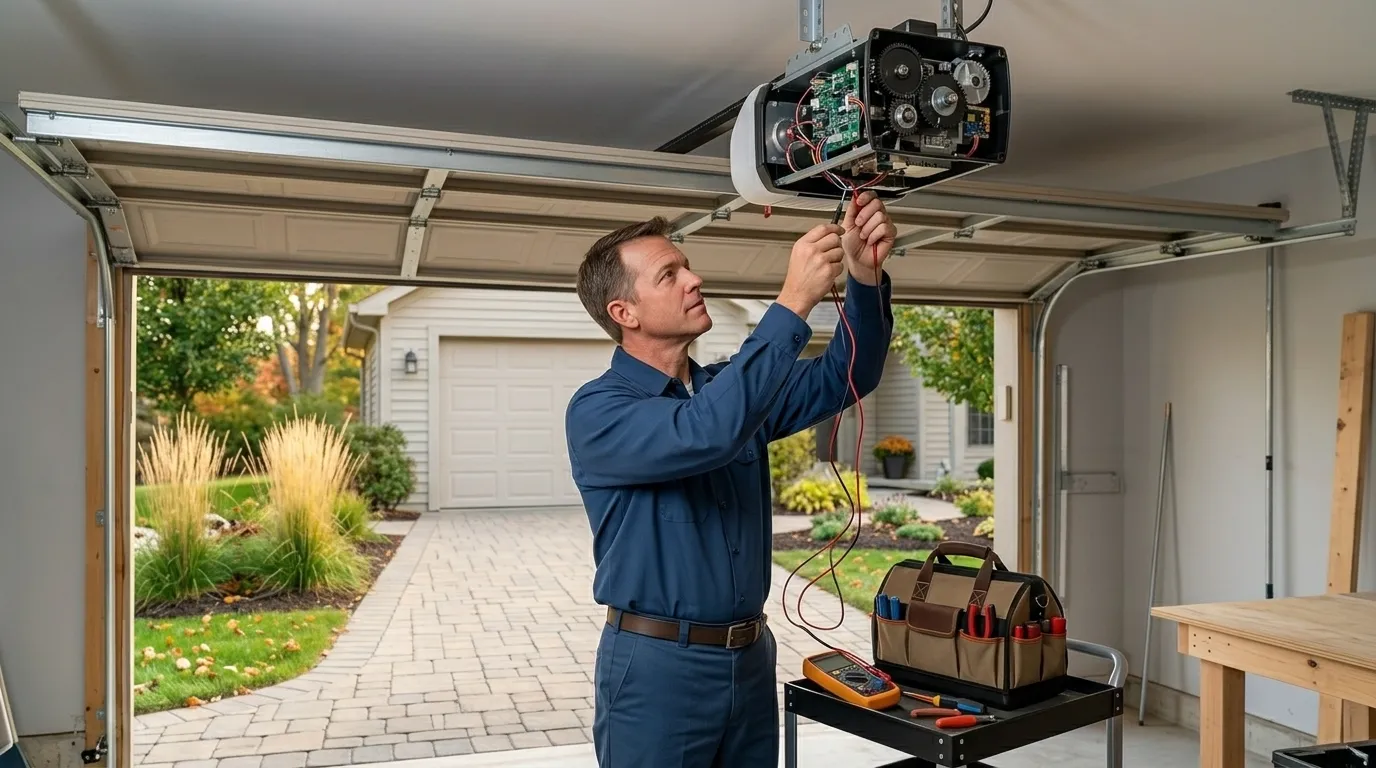
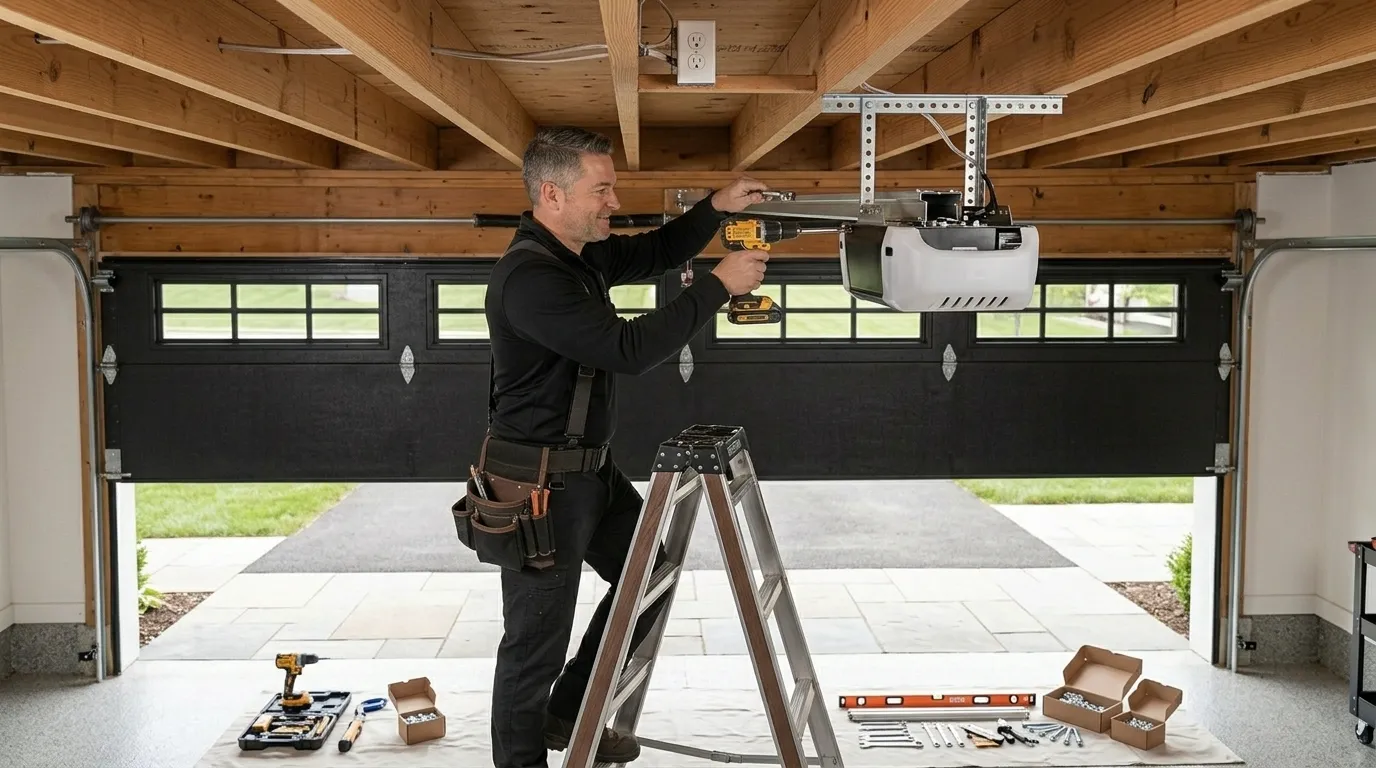
If the opener is original to the house as well, we'll flag it during the same visit rather than pretend the spring alone solves everything, because a strained opener working against a bad spring for months often has extra wear of its own. We'd rather tell you that now than have you call back in a year for the same door.