Why It Happens Here
Walk through Fox Farm-College, South Greeley, or out toward the Ranchettes and you're looking at doors that mostly went in when the houses did - 1989 to 1992, give or take. That's the era stamped on the springs, the track brackets, the openers, all of it. Torsion springs from that build wave are rated for a set number of open-close cycles, and thirty-plus years of daily use has most of them sitting at or past that number right now, whether or not they've ever been touched.
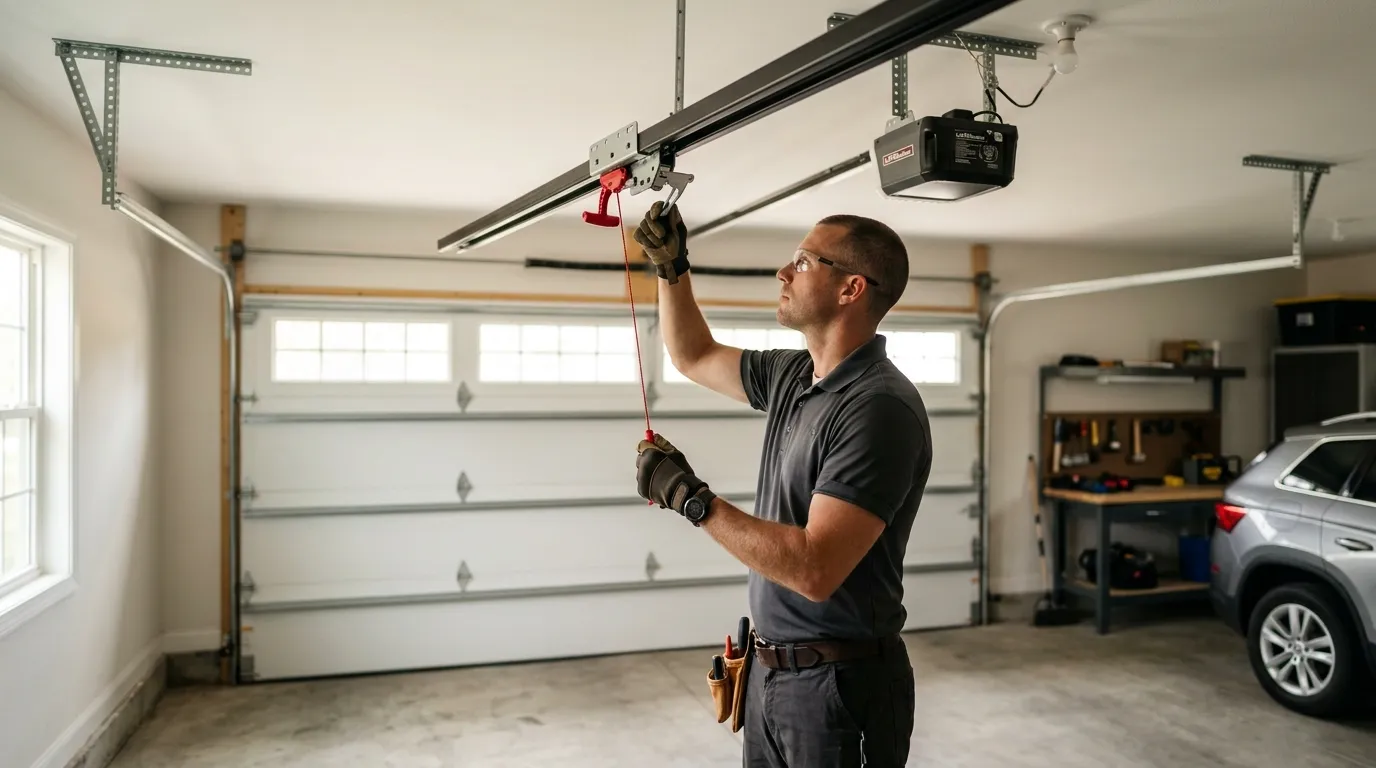
Cheyenne's climate band is cold and severe, and that matters more than people think. Steel contracts in deep cold, grease thickens, and a spring that's already fatigued from age has less give left when the metal stiffens up on a January morning. That's why a lot of calls cluster in cold snaps - it's not that winter breaks springs on its own, it's that winter is what finally finishes off a spring that's been wearing out since roughly 1990. Openers from the same construction era have their own version of this: aging drive gears and capacitors that were fine at year fifteen and are not fine at year thirty-five, especially once the door itself gets heavier to lift because the spring is losing tension.
The Cost of This Job
What a repair costs depends on what's actually failed and how old the rest of the hardware is - a straightforward spring swap is a different job than a spring plus cable plus a worn opener gear, and doors from the 1989-1992 wave often need more than one thing looked at once you're under the hood. We don't quote a number sight unseen, because guessing wrong either lowballs you into a surprise or scares you off a job that's actually simple.
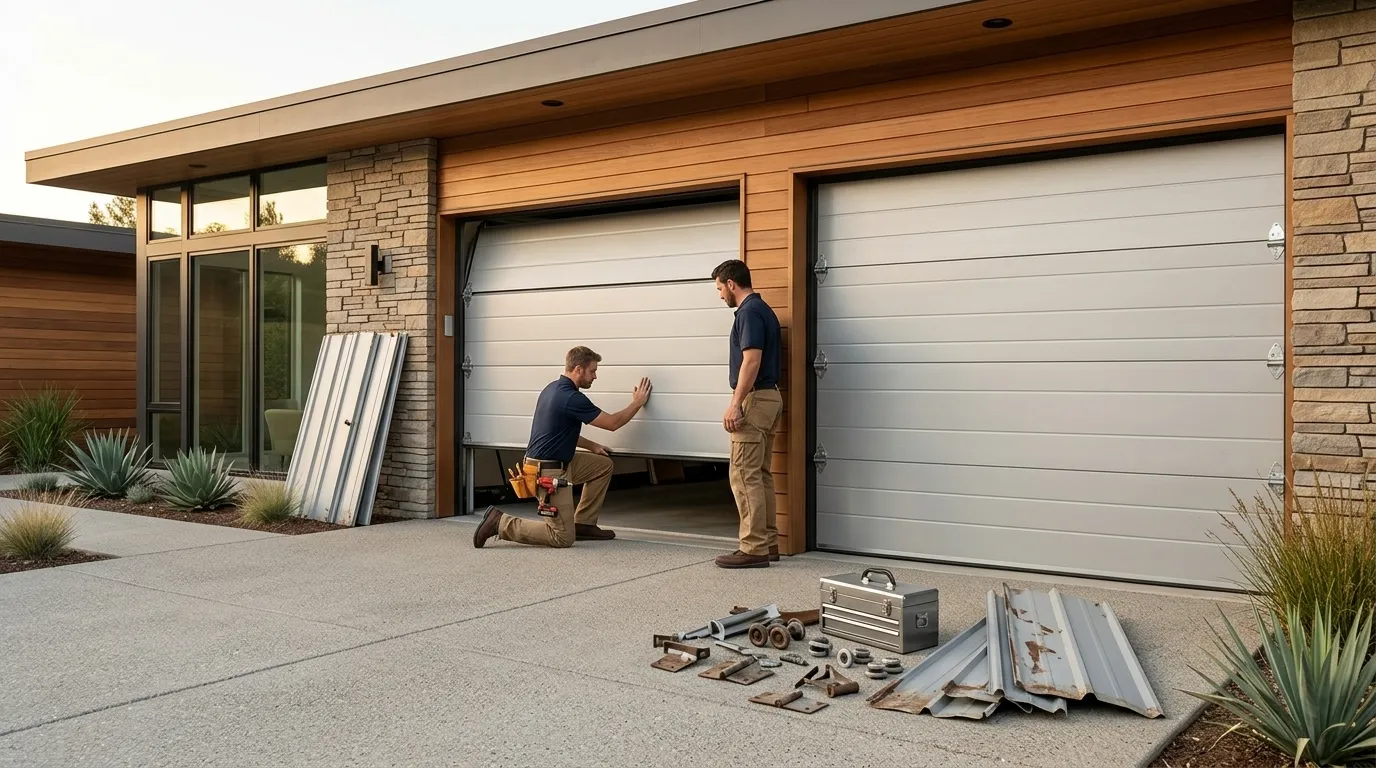
What we can tell you honestly: with median household income in the service area around $53,625, we hear the same question a lot - fix it or replace the whole door. For a lot of these 1990s doors, the door itself is still structurally fine; it's the spring and hardware that have aged out. That usually points toward repair over replacement, but not always - if the door has been repainted over rust or the track is bent from age, replacement can be the cheaper long-term call. We'll tell you which one you're looking at before we start, not after.
What the Repair Takes
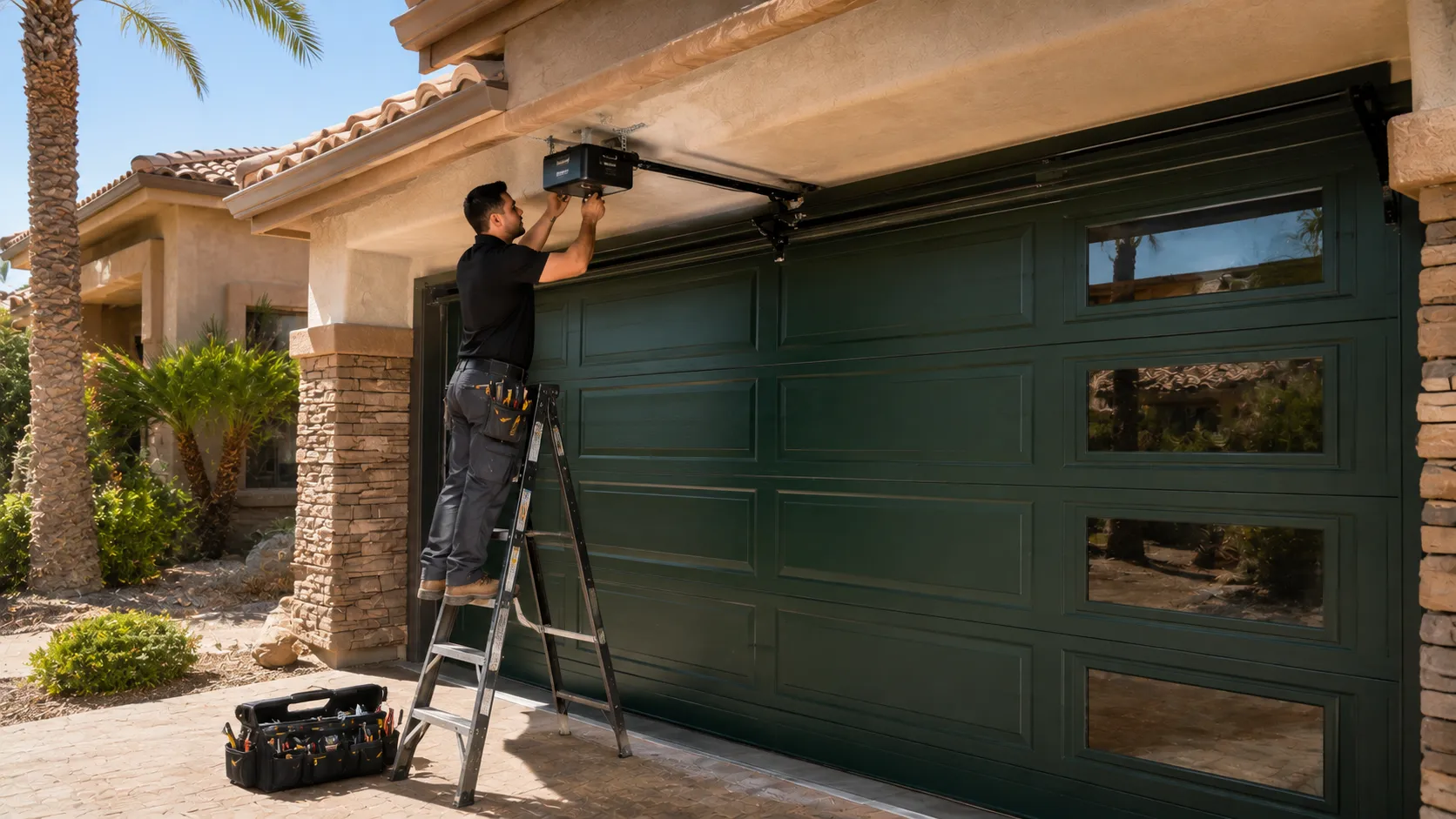
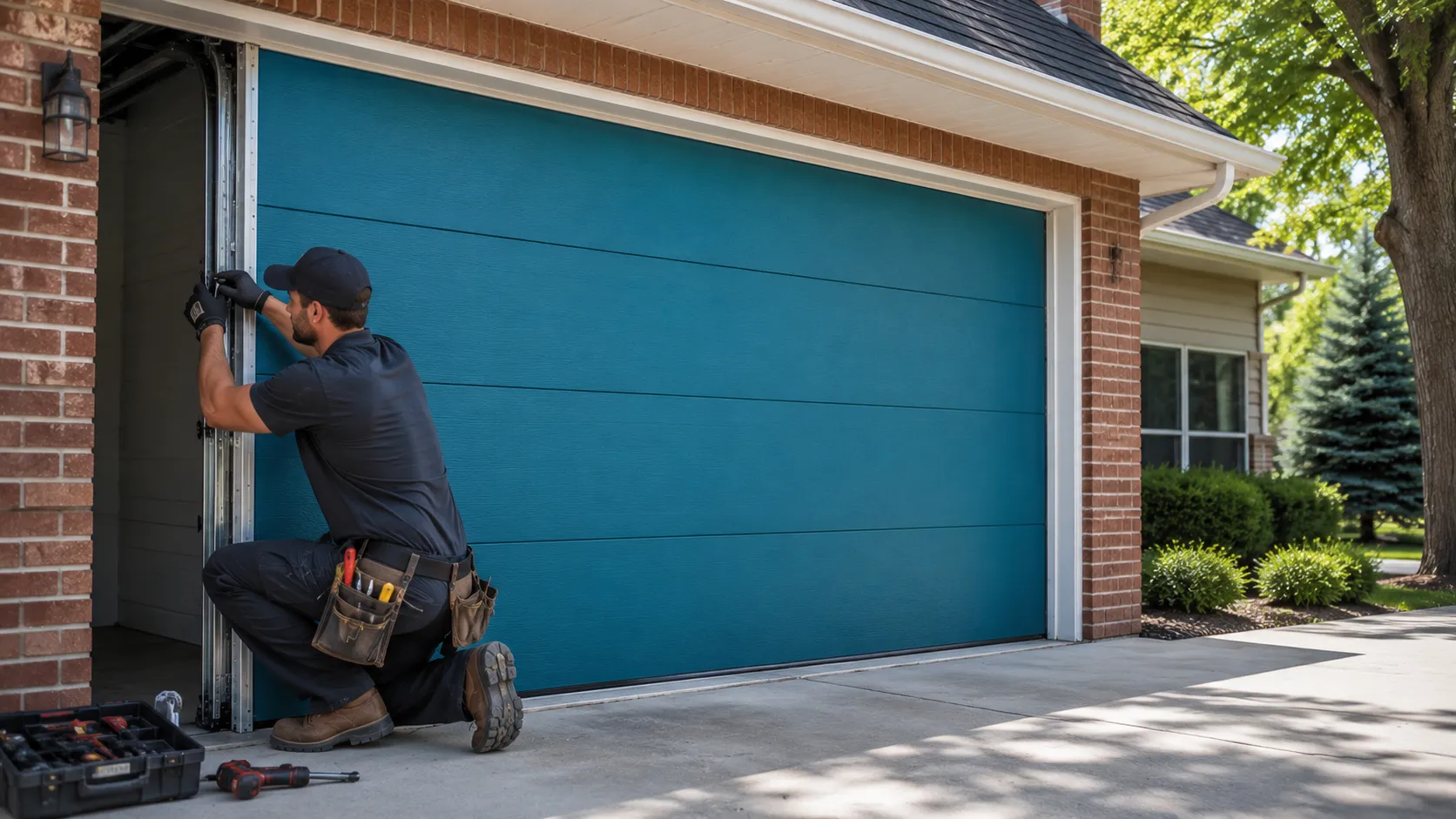
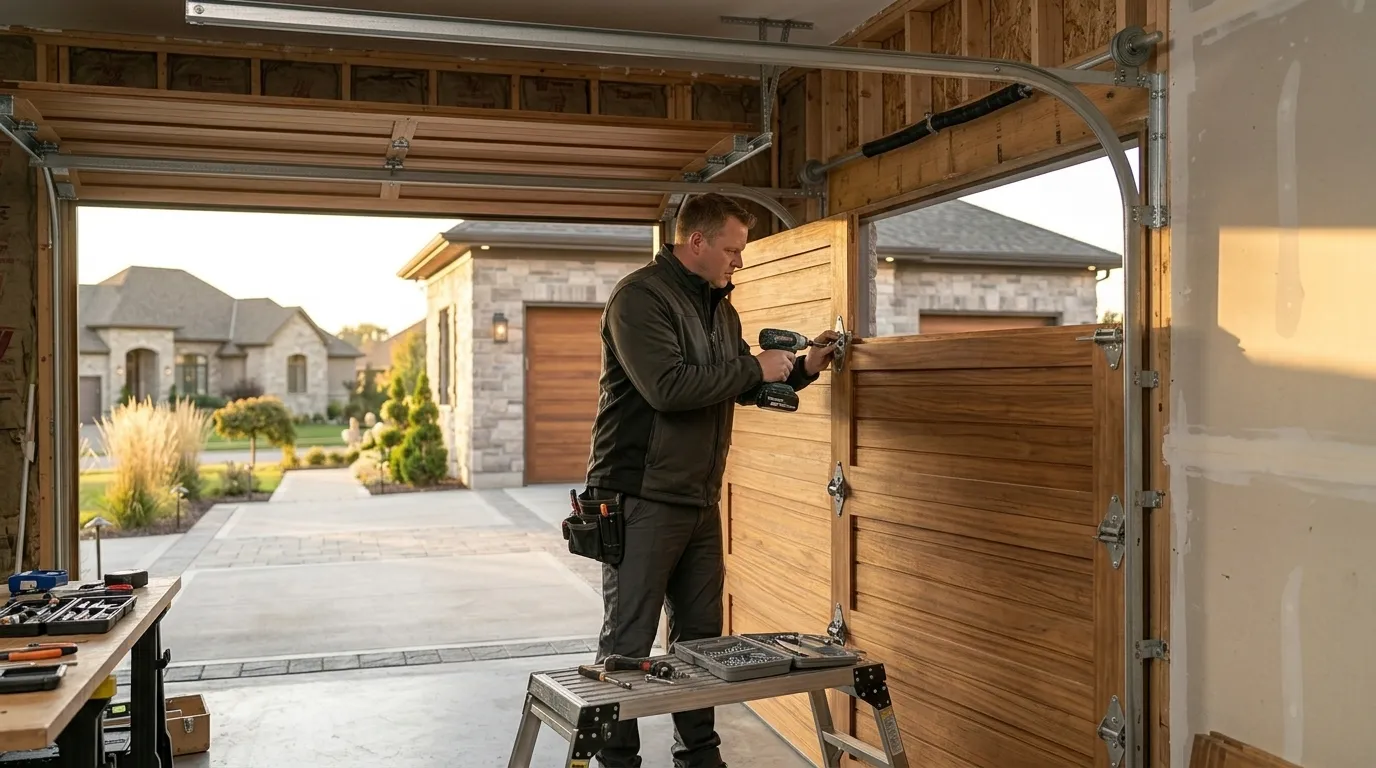
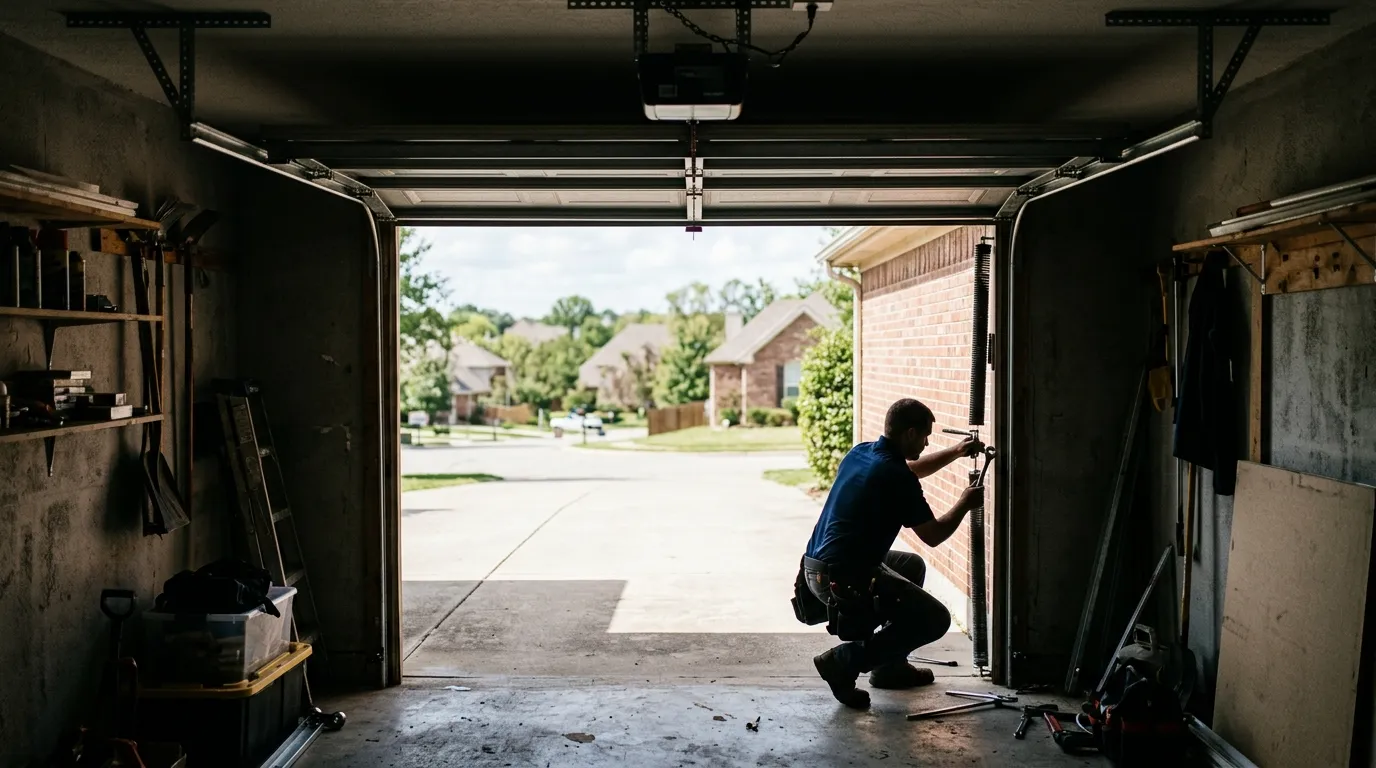
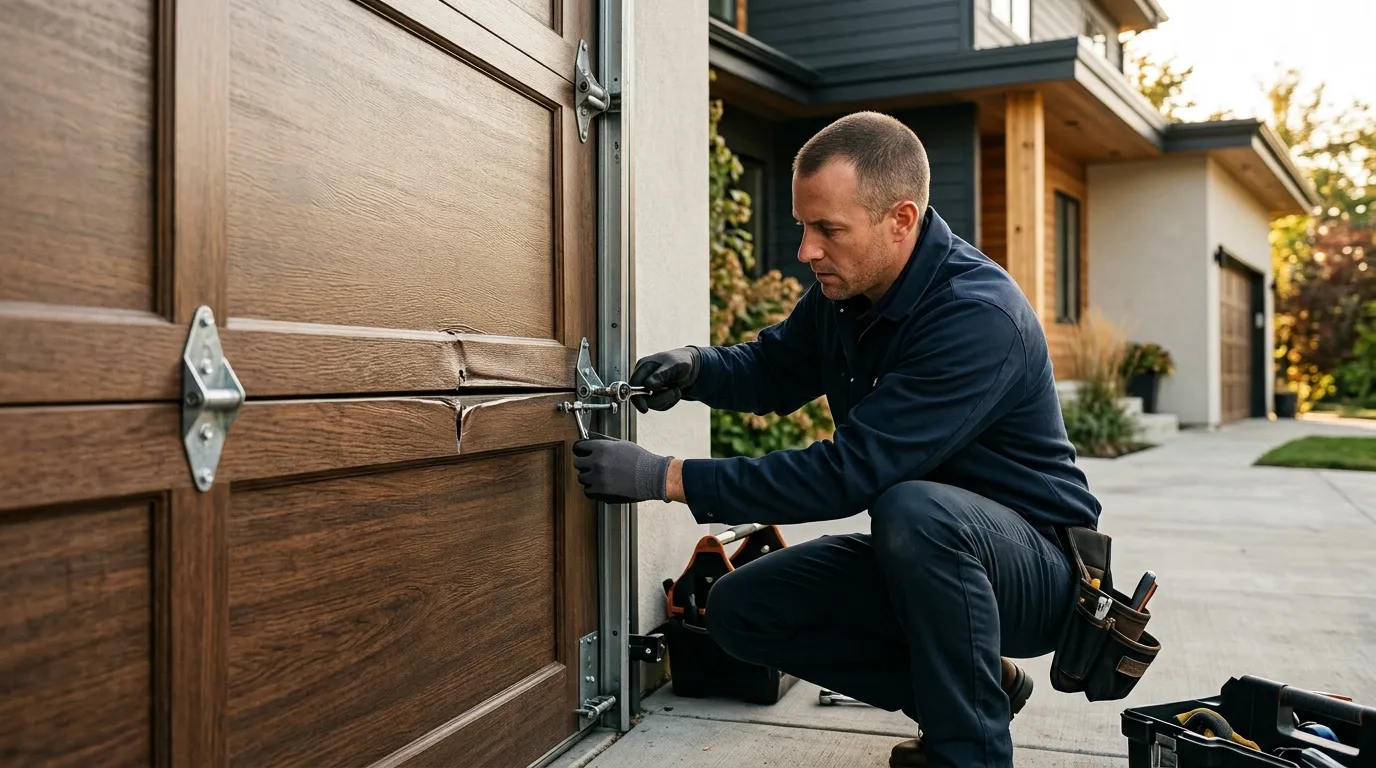
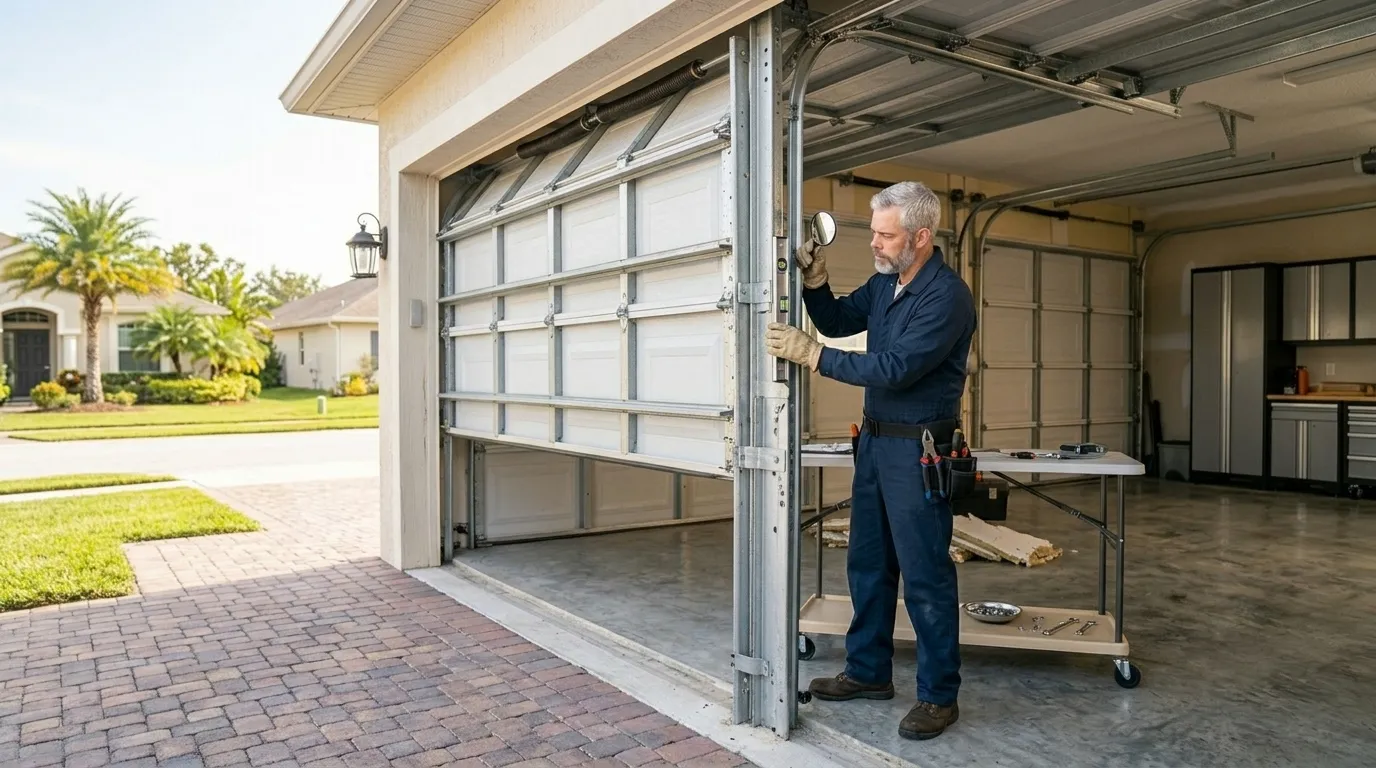
For a spring job, that means matching the wire gauge and wind to what the door and opener actually need - original 1989-1992 hardware isn't always a stock size, so on some houses in the Fox Farm-College and South Greeley areas we're cutting a replacement spring to spec rather than grabbing one off the shelf. That adds time on-site but it's the difference between a spring that lasts and one that's back to failing in two years.
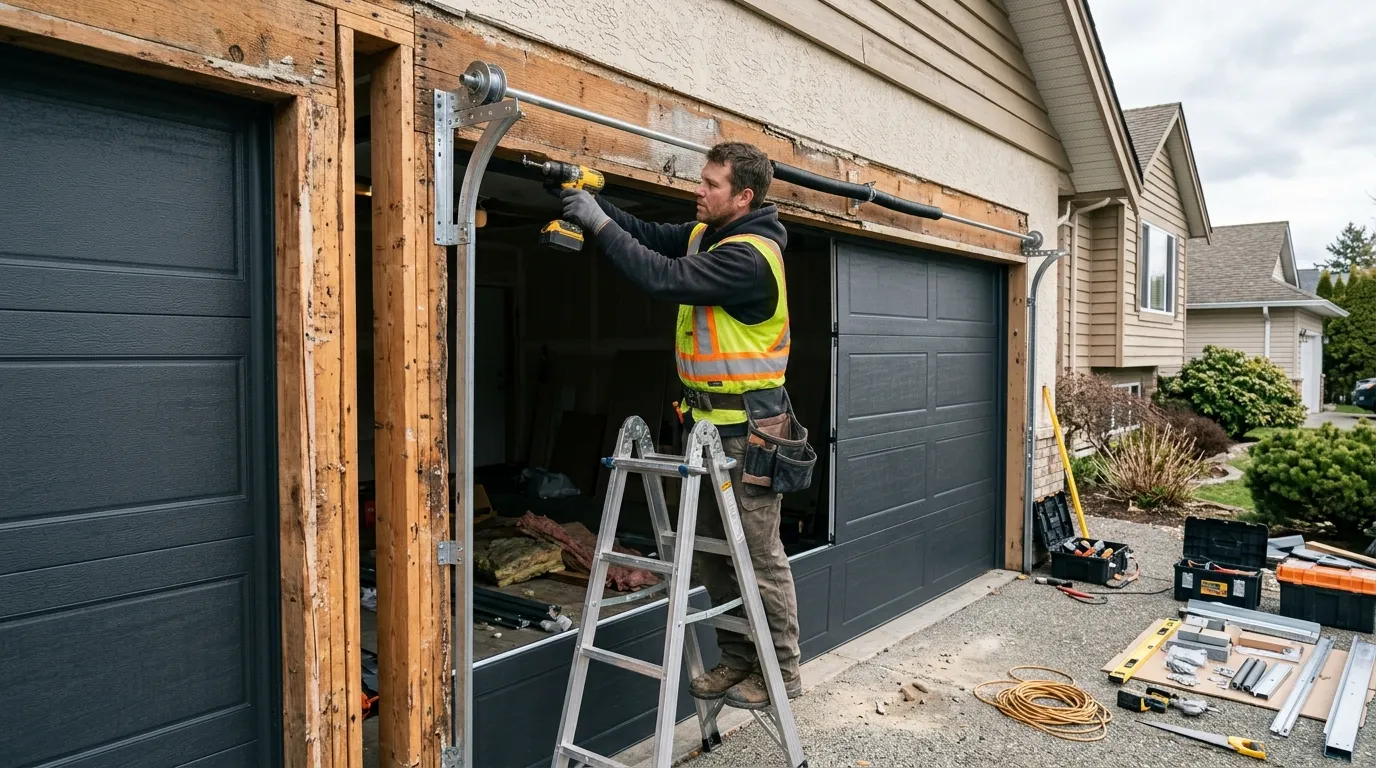
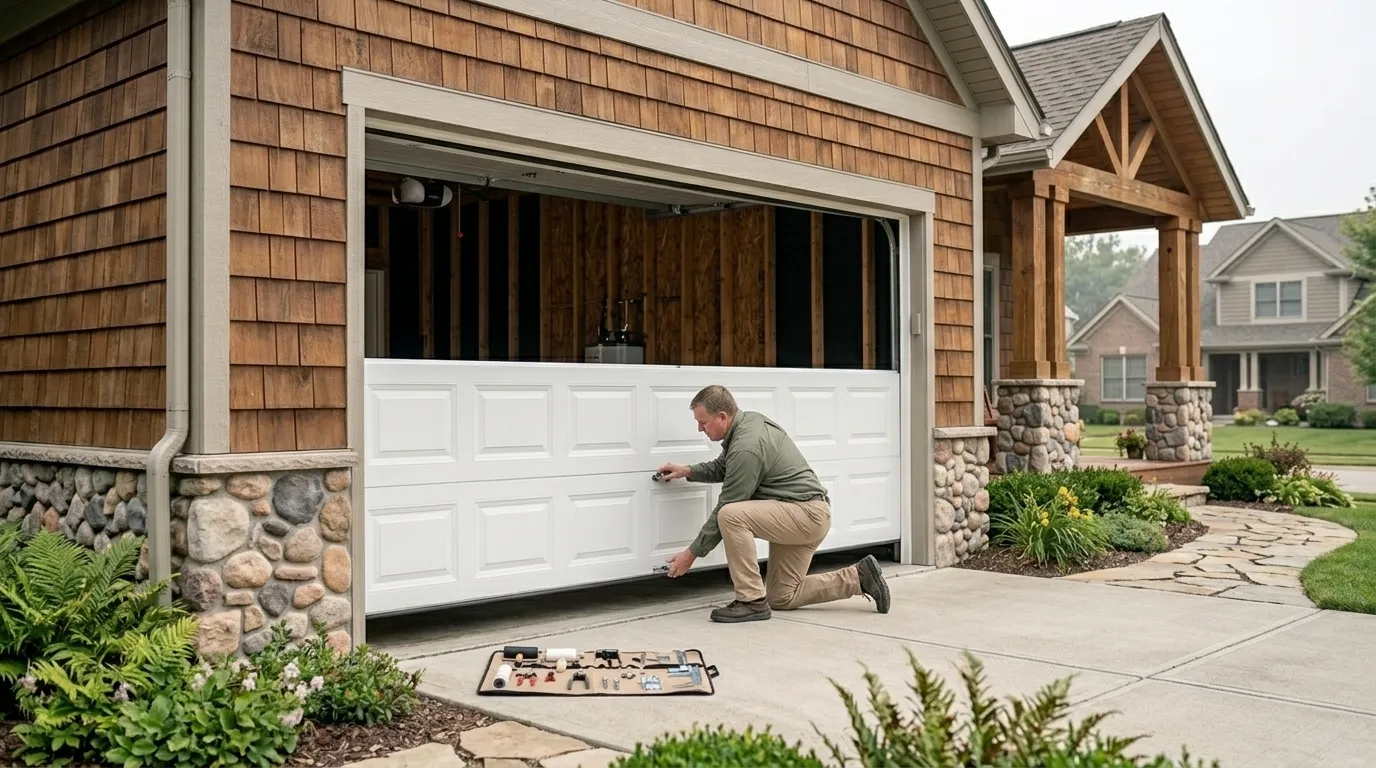
Here's the limitation worth saying plainly: we don't carry every obsolete part for every door built in that window, and if your door used a manufacturer-specific track bracket or a drum that's no longer made, that part may need to be sourced before we can finish the job in one visit. We'll tell you on-site if that's the situation rather than promise a same-day fix we can't back up. Most spring, cable, and roller repairs are same-visit work; opener boards and obsolete brackets are the exceptions.