How Long You Are Without the Door
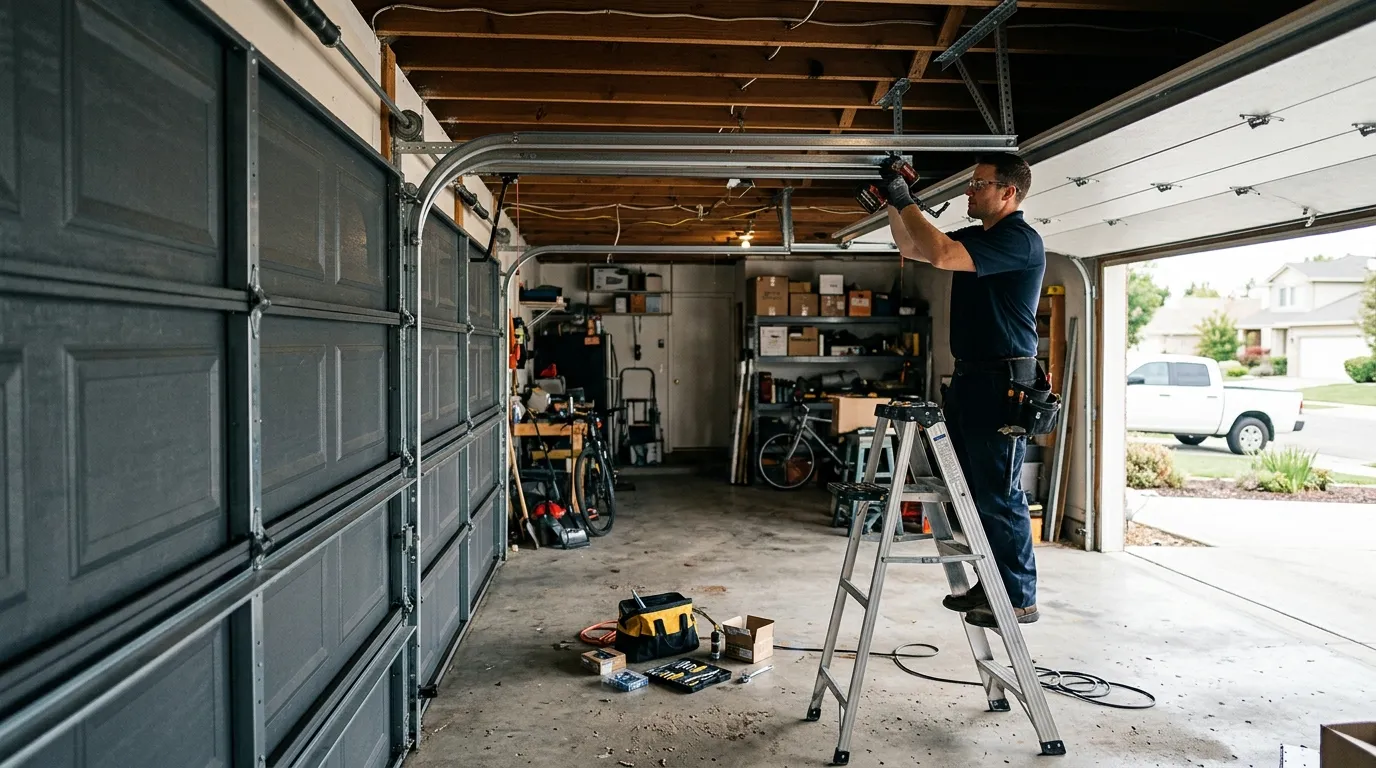
Most houses in Ranchettes went up new between 1989 and 1992, during one tight building push, which means the garage doors you see today are almost all original steel panels - single doors near nine feet wide, double bays near sixteen, hung on the light-gauge track and hardware standard for that decade. There's no insulation core in most of these; they're single-skin steel, and after thirty winters in a climate this cold, that skin dents, rusts along the bottom panel seam, and the rollers wear the track lips round.
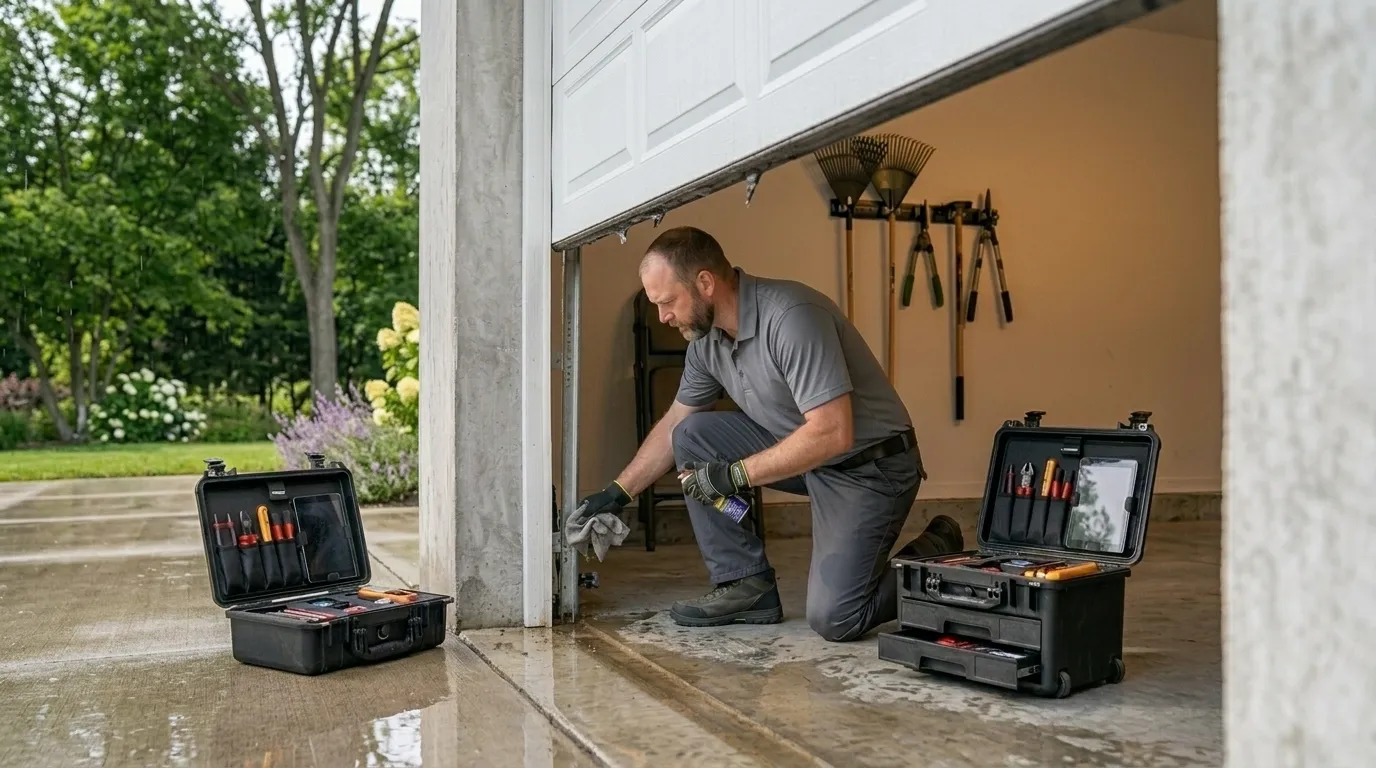
Ranchettes sits about six miles out from Cheyenne, so a truck already working calls in the city can swing out here without a long detour. That's different from a same-street callback - the company doesn't keep a truck staged in Ranchettes, it drives out from Cheyenne on every job. Worth knowing before you call: if a spring goes on a Saturday afternoon in January, you're waiting on a drive, not a walk down the block. Once the truck's on site, a broken spring or snapped cable on one of these doors is usually a same-visit fix - parts for 1990s steel doors are common. What isn't same-visit is a full replacement order, covered below.
The Cost of This Job
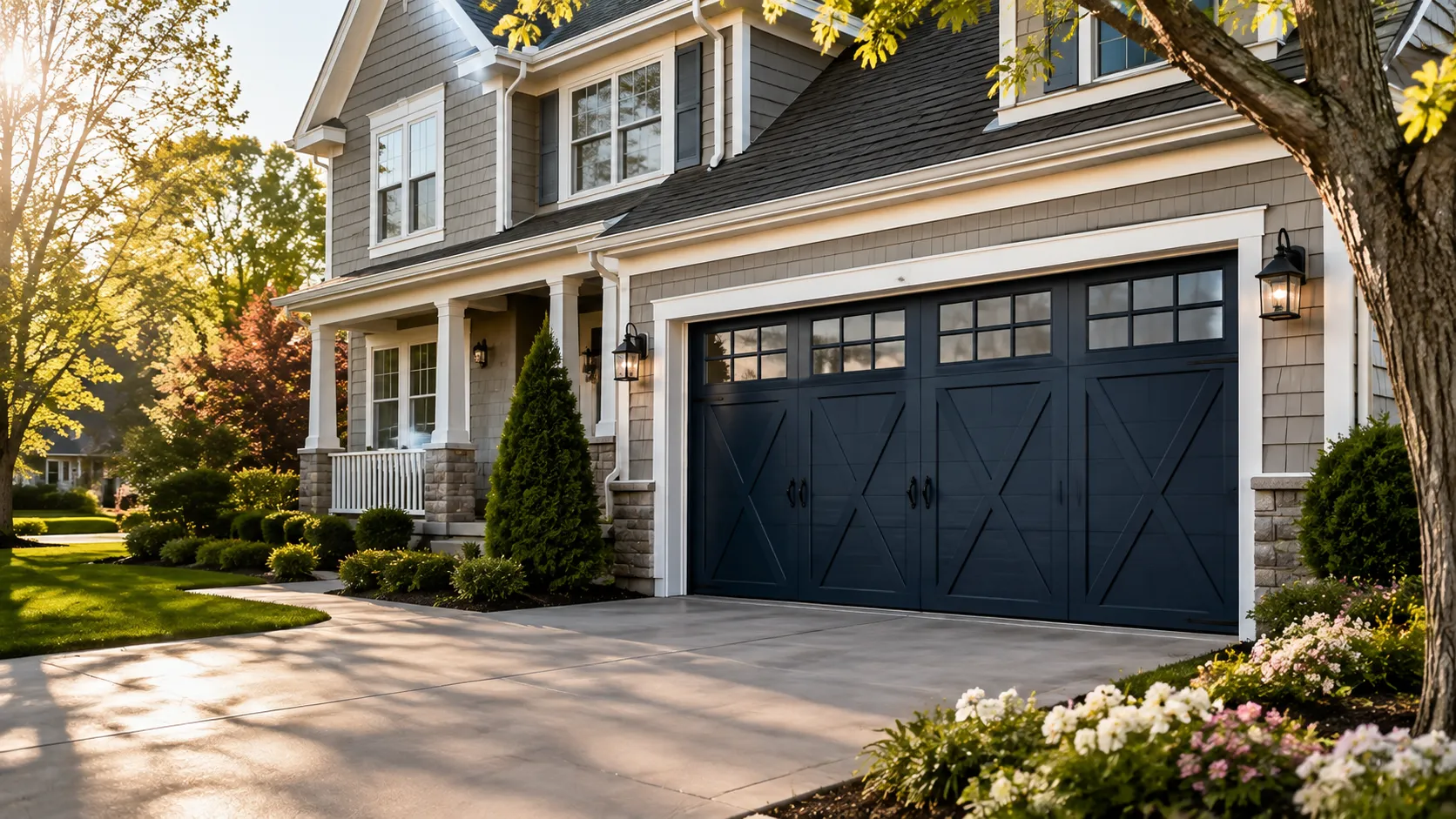
The median household income in Ranchettes, at $124,426, sits far above the $53,625 median for the broader Cheyenne service area. That gap shows up in what people ask for: more owners here skip the patch-and-hope repair and go straight to a full door swap, often choosing an insulated panel that the original 1990s steel door never had.
A torsion spring replacement or a cable job on the original door is the cheaper route and, for a door that's otherwise sound, usually the right one. But once a panel's dented past the point of a clean patch, or the steel has rusted through at the bottom, replacement starts making more sense than repair - not because the door failed all at once, but because you're paying labor twice on an old skin that's going to keep giving out.
We don't carry a set price list on this page. What a job costs depends on whether it's a spring, a cable, an opener, or a full door, and we quote that on the visit, once we've actually seen the door and the damage, not before.
What the Repair Takes
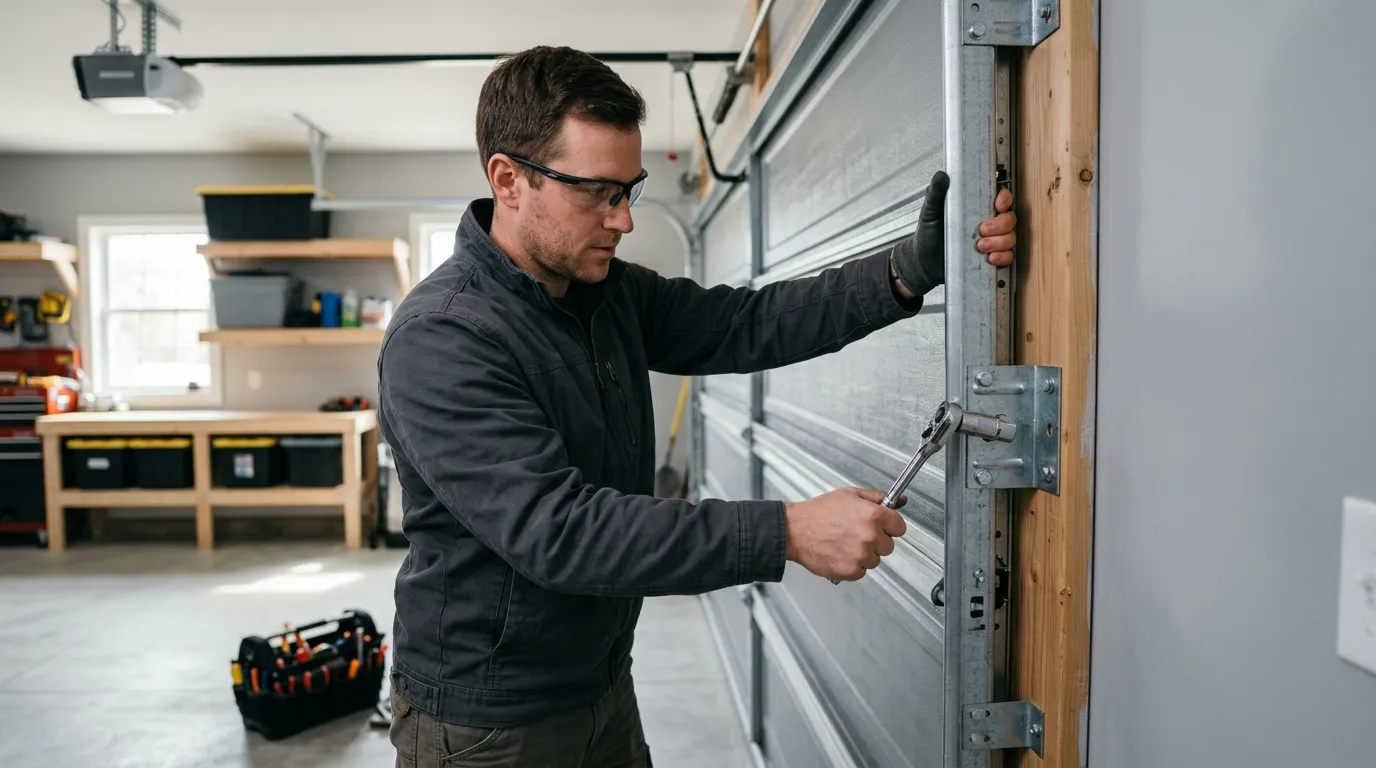
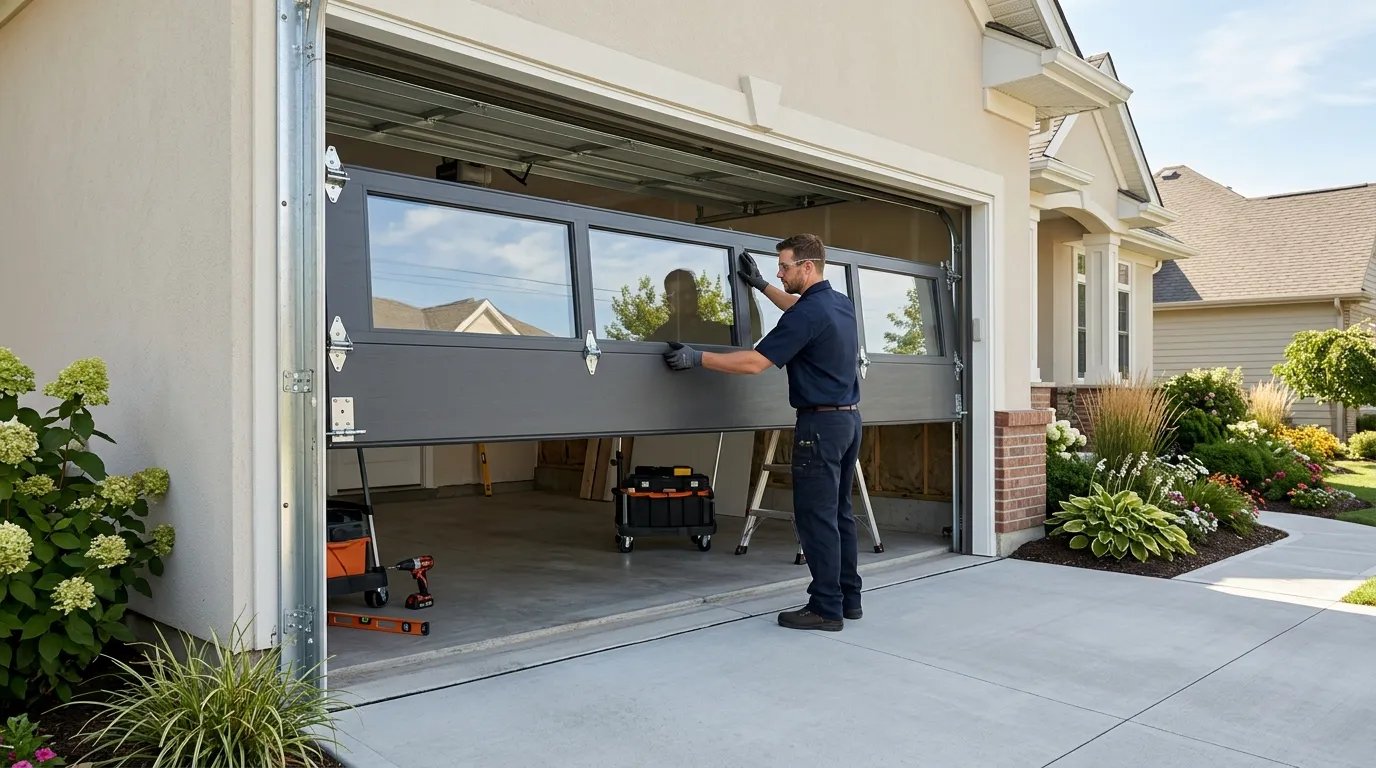
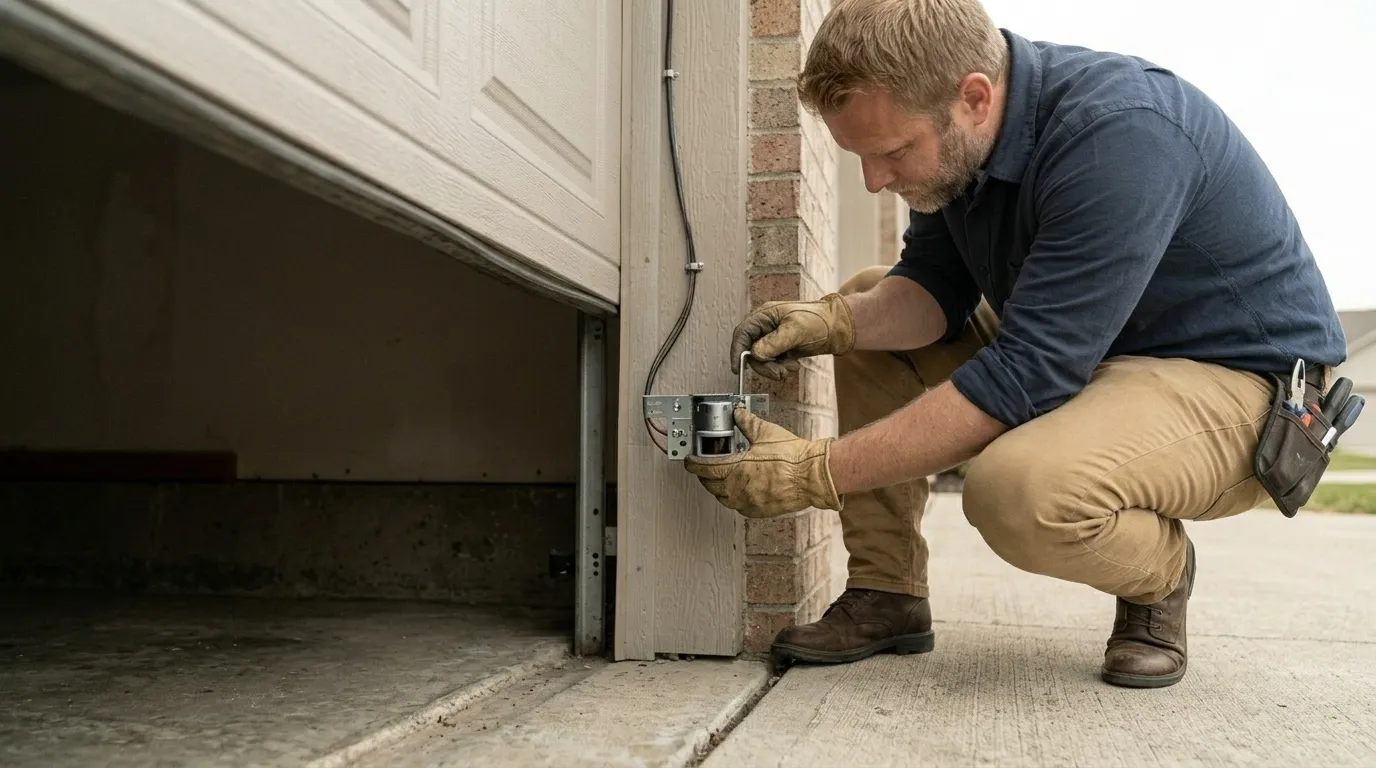
On a door from this era, the usual failure is the torsion spring or the bottom bracket, not the opener - most of these doors were built well before openers got complicated, so when something's wrong it's mechanical: spring, cable, roller, or a track that's racked out of square from thirty winters of expansion and contraction in a cold climate.
Parts for a standard 1990s steel door are easy to source, and that keeps the job fast once we're on site. What's not fast is anything involving a discontinued panel style - if the original manufacturer stopped making that exact steel profile years ago, matching one damaged section instead of the whole door can mean a wait on special order. Honestly, on an older single-skin door, replacing just the one panel sometimes costs close to what a new door would run. That's the one place we'll tell you straight that repair isn't always the cheaper path.
Track and hardware, though, we carry standard stock for, and a torsion spring swap on a door this size is routine work, not a special case - it's the kind of job that gets done and closed out in one visit.