How Long You Are Without the Door
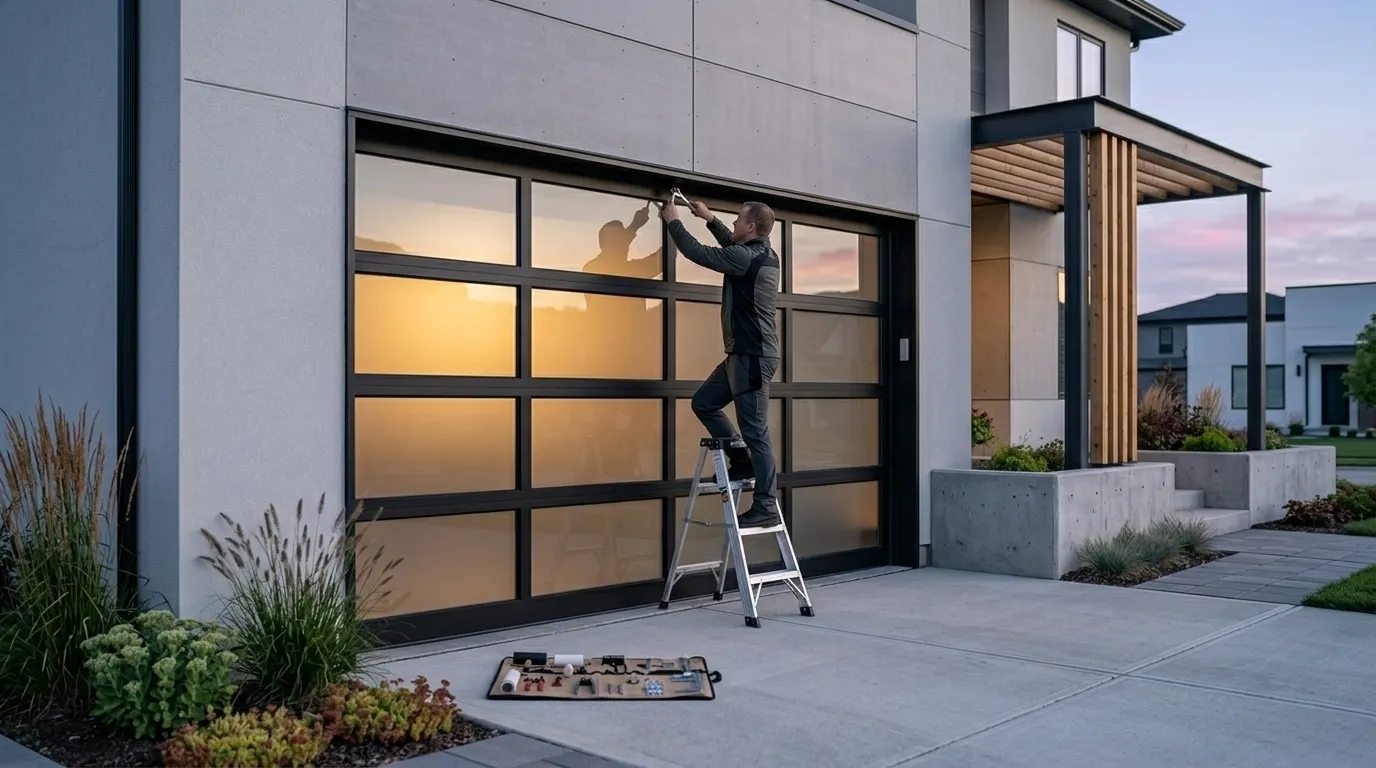
Ranchettes sits about six miles out from Cheyenne, and we run the truck out for roller jobs rather than keeping a branch nearby. That's the honest limitation: we don't have someone parked in the neighborhood, so the visit gets scheduled rather than walked to. Once we're on site, the roller swap itself is a same-visit job on almost every door out here, because the track and drum hardware from this build era is consistent house to house.
Most garages in Ranchettes went up around 1992, right at the tail end of the build wave that put up the wider Cheyenne service area between 1989 and 1992. That means the door doesn't sit unusable for days waiting on a part search - the rollers, whether steel or the nylon that got popular in that stretch, are common sizes we carry on the truck. What takes longer than the swap is confirming the track itself hasn't bowed, because a bent track will chew through a fresh roller in weeks and that's a different repair, not covered by a roller-only visit.
The Cost of This Job
We're not going to print a number here that isn't tied to what we actually find on your door, but the roller-only job is one of the cheaper repairs we run in this area, because it doesn't touch springs, cable, or the opener. What moves the price is which roller you land on. Steel rollers with open bearings are the cheapest part but the loudest and the first to fail again in a hard winter. Sealed-bearing nylon rollers cost more up front and run quieter, and given the household income out here runs well above the wider Cheyenne average, we see more Ranchettes owners choose the nylon upgrade over the bare-minimum steel swap than we do elsewhere on the route.
That's not a rule, just a pattern. Either roller does the job. The number changes if we get the door open and find the track worn oval where the roller rides - that's a track section, not a roller, and it's a separate line.
What the Repair Takes
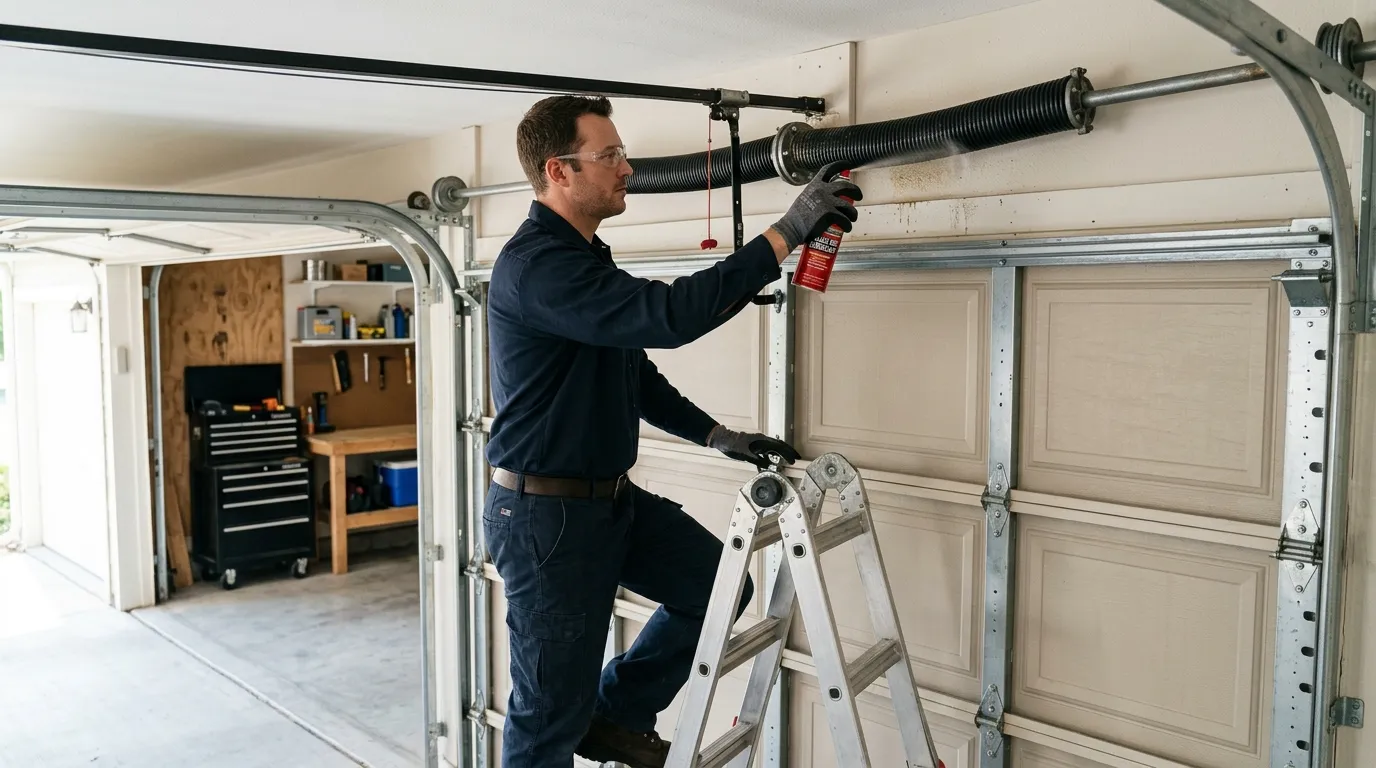
Ranchettes' 2,432 households sit mostly on the same 1992-era steel track and roller carriage, so once we've seen a handful of these doors we know where the wear shows up first: the bottom roller on the side that takes the most sun and cold swing. Cheyenne's winters run into the severe end of the cold band, and that swing is hard on the plastic wheel of an older nylon roller - it goes brittle and chips at the edges before it ever squeaks.
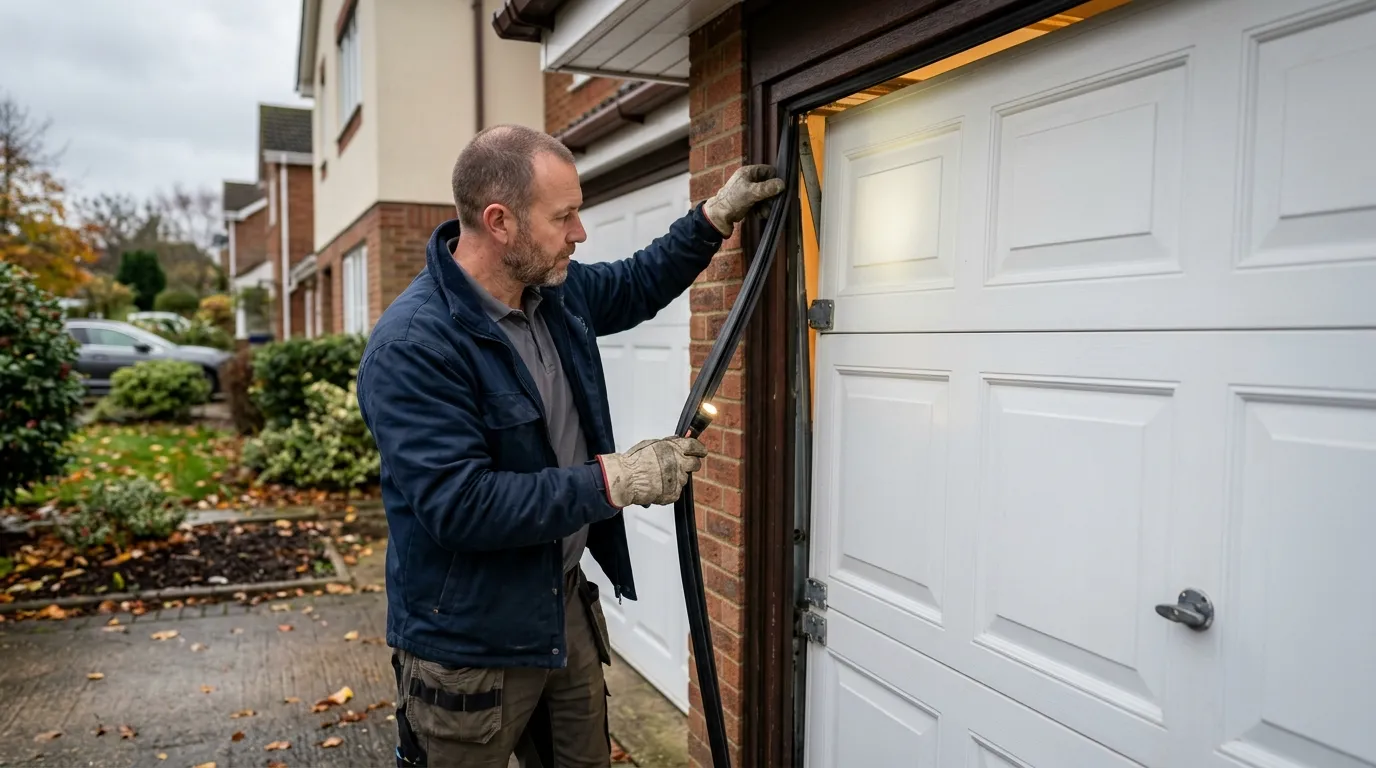
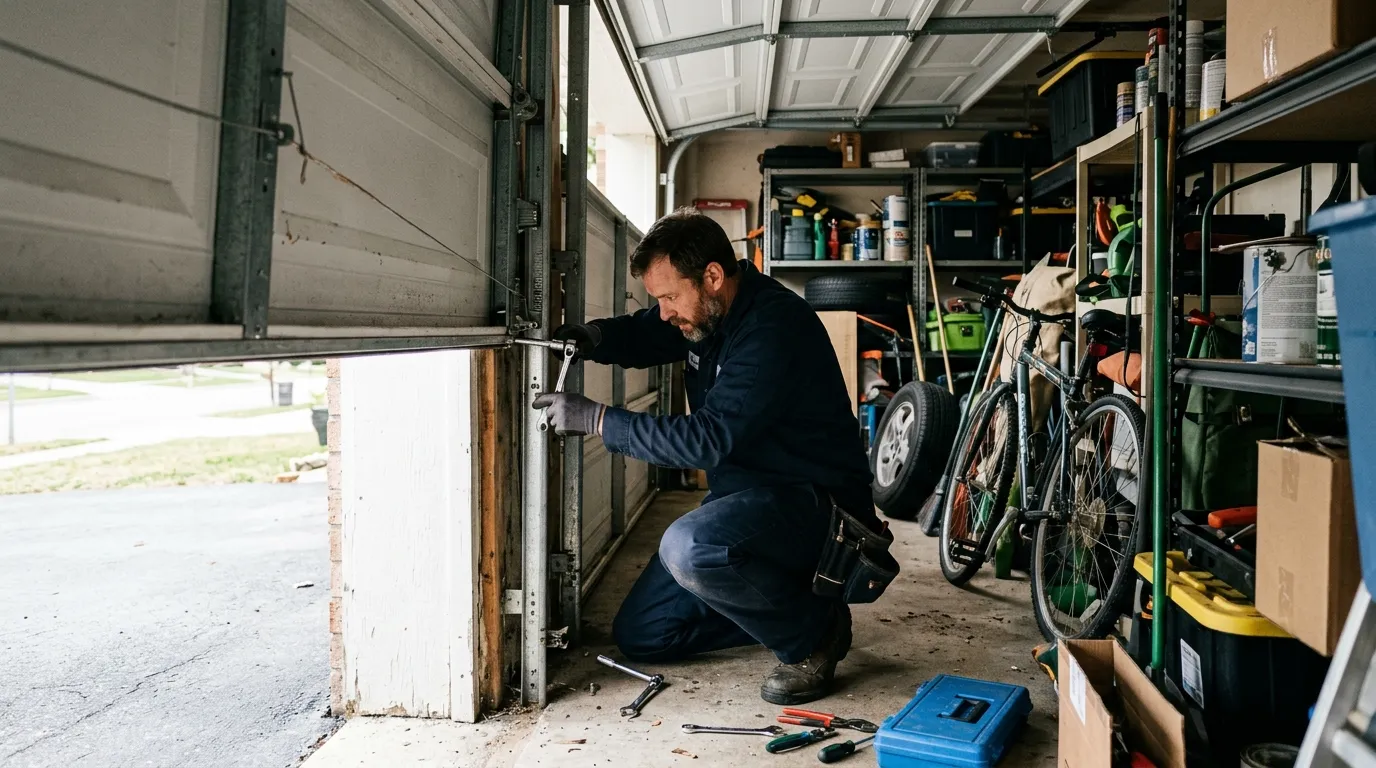
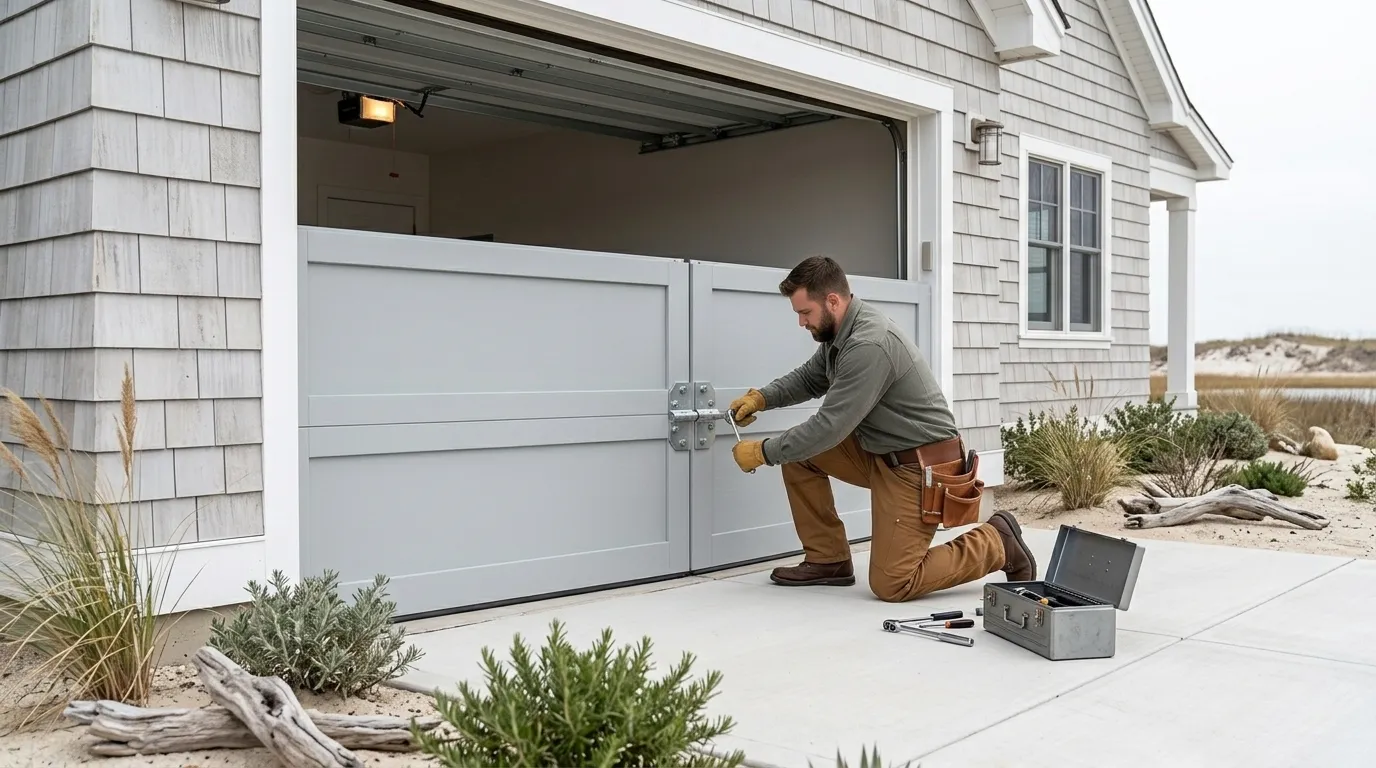
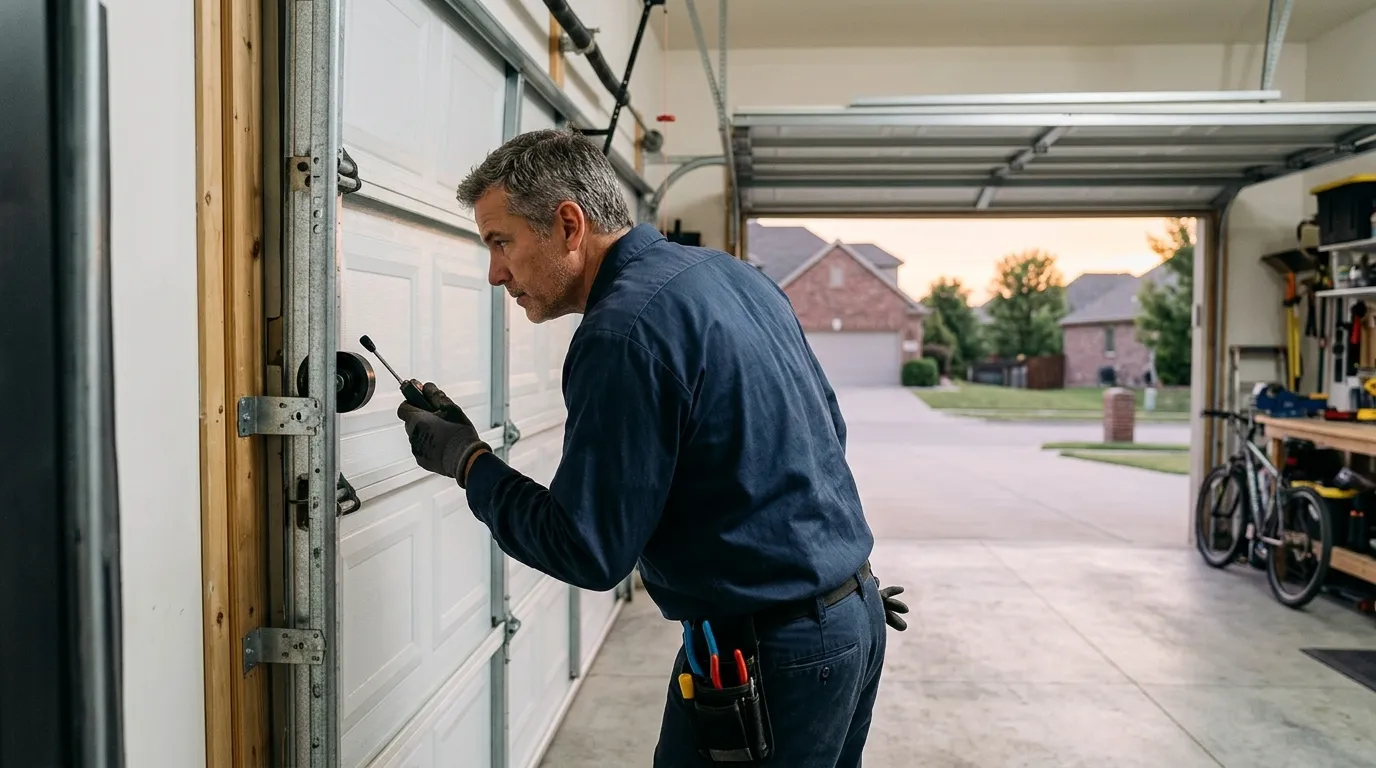
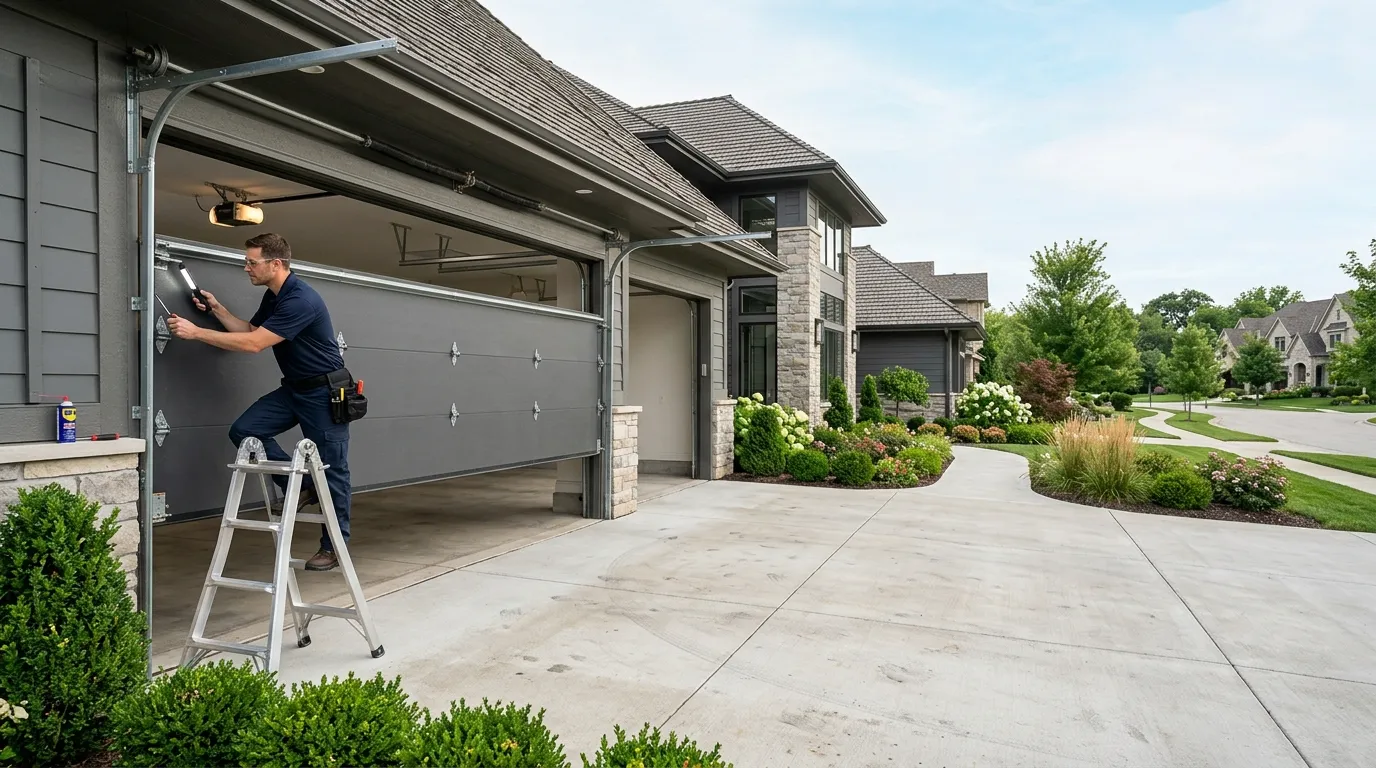
The job itself is straightforward: door secured, old rollers pulled from the track one at a time so the door never comes fully loose, new rollers seated, hinges checked since a roller only lasts as long as the hinge holding it is straight. What it doesn't fix is a track that's already bowed from the old roller binding - that's a track swap, and we'll tell you on site if that's what we're looking at rather than sell you a roller that won't hold.