How Long You Are Without the Door
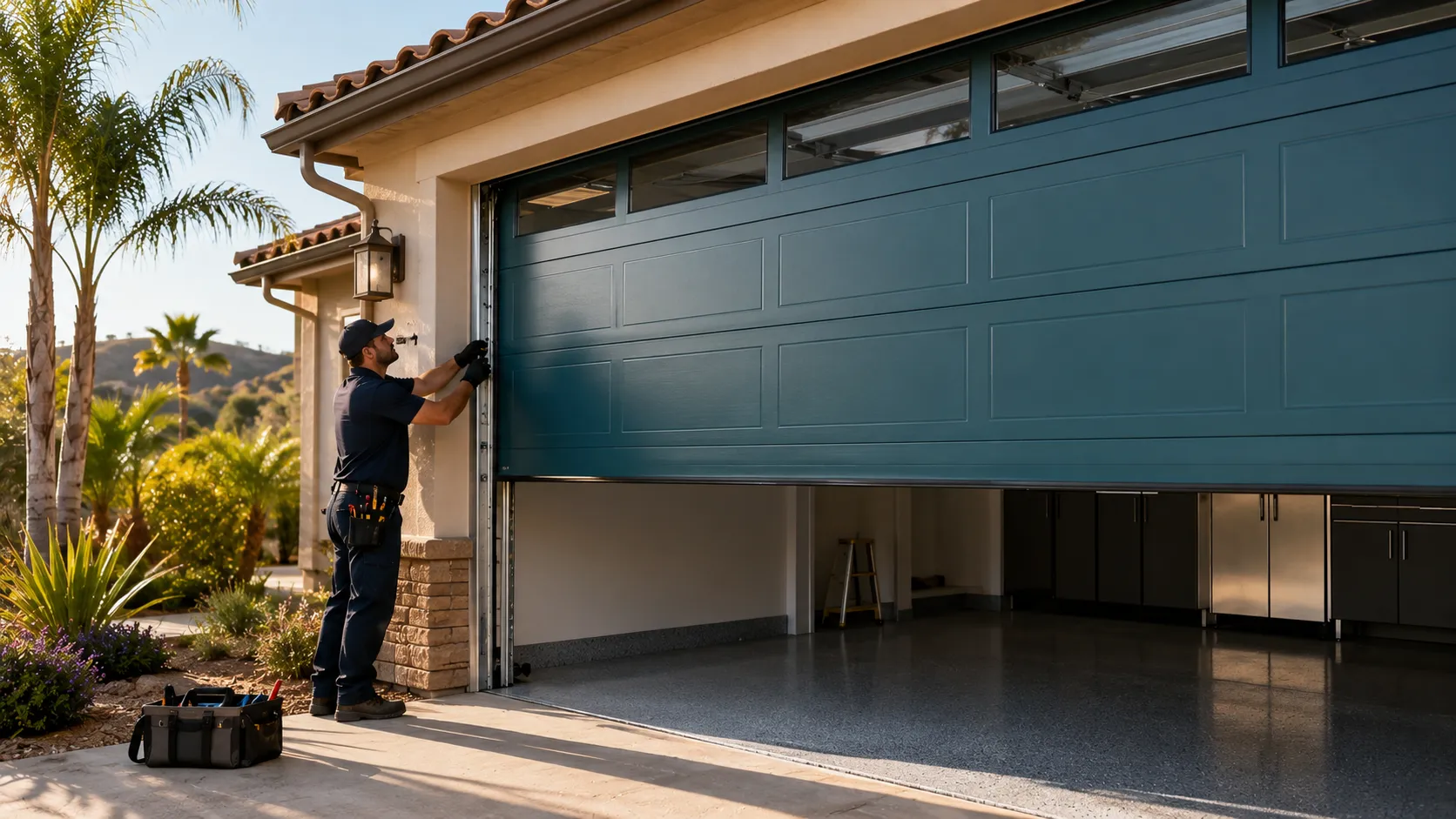
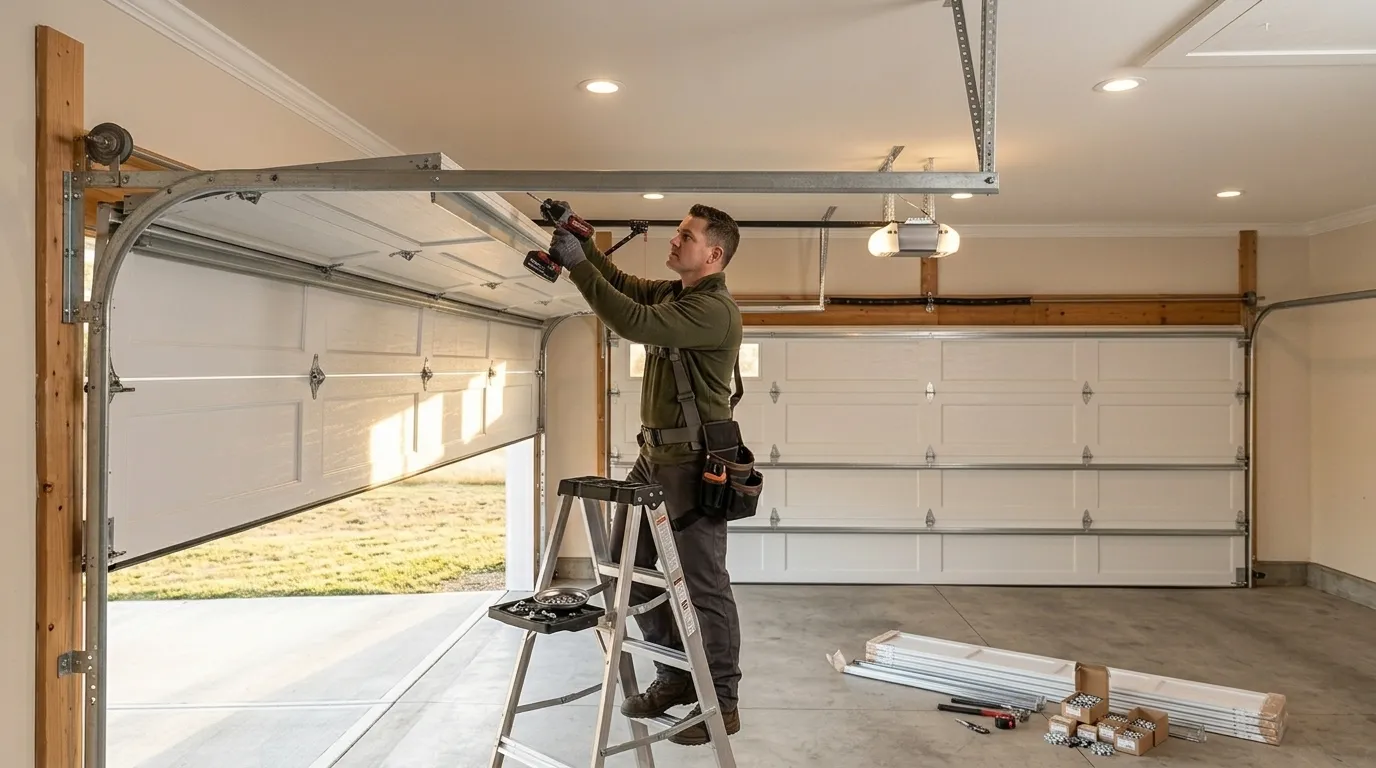
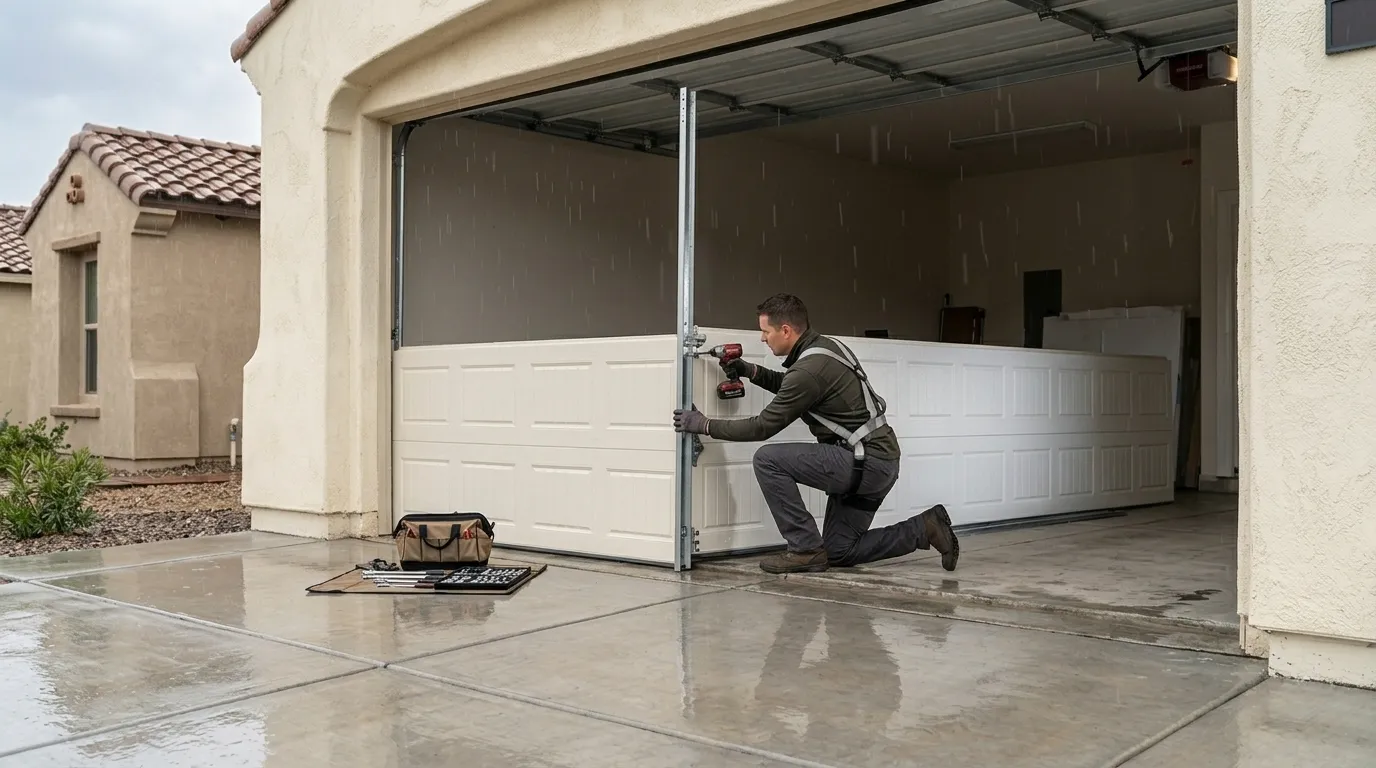
Ranchettes sits about six miles out from our shop in Cheyenne, and that drive shapes how this job runs more than anything else. We don't keep a branch or a rotating truck out this way, so a visit here means one trip, loaded with what the job needs, not a follow-up run for a part we forgot. Most houses in this pocket went up around 1992, which means the opener on the wall is either the original unit or a straight swap from the same era - chain drive, no rolling code, sometimes no working safety sensors at all. We plan the visit around that: if we're coming out for an install, we bring the bracket hardware and rail lengths that fit late-80s and early-90s door openings, because a same-day return trip over that distance isn't something we build into the schedule. The door itself stays down and secure while the old opener comes off the track - it's not left hanging open during the swap. What we don't do is promise a same-hour callback for a second issue found mid-job; if something else turns up once the old unit is off the header, we'll tell you straight rather than guess and re-drive the six miles later.
The Cost of This Job
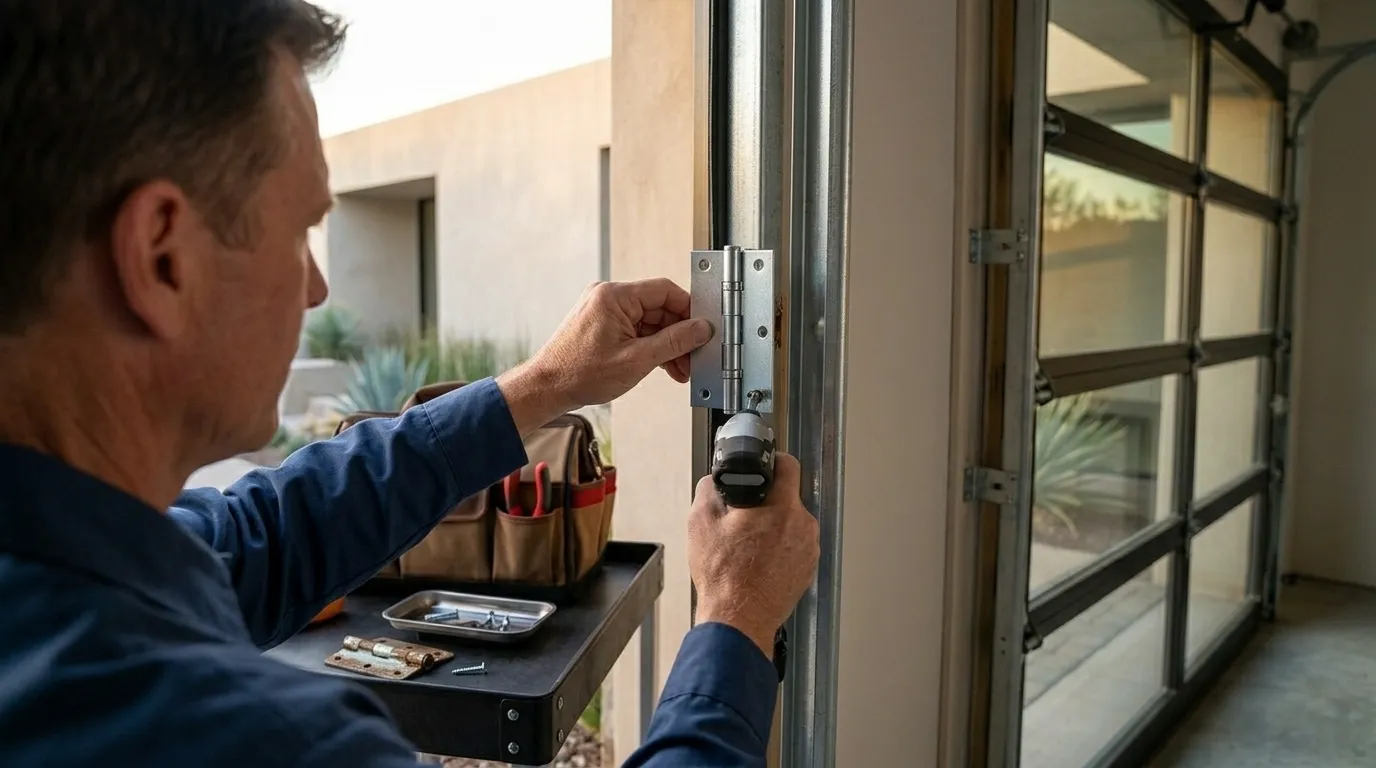
What drives the price on an opener install here isn't the town, it's the header and the track. Houses built around 1992 in this area were framed for openers rated to that generation's spring systems, so a modern belt-drive unit sometimes needs a different mounting bracket or a shortened rail to clear an older low-pitch ceiling - that's extra labor, not a markup. We price the opener, the mounting hardware, and the drive-out together as one job because the six-mile trip out here is baked into a single visit, not billed as a separate line. We don't publish a flat number for this because header height and existing wiring vary house to house even within houses built the same year. What we can say: if your current opener is original to a 1992 build, expect to replace some mounting hardware along with the unit, not just swap a motor onto the same bracket.
What the Repair Takes
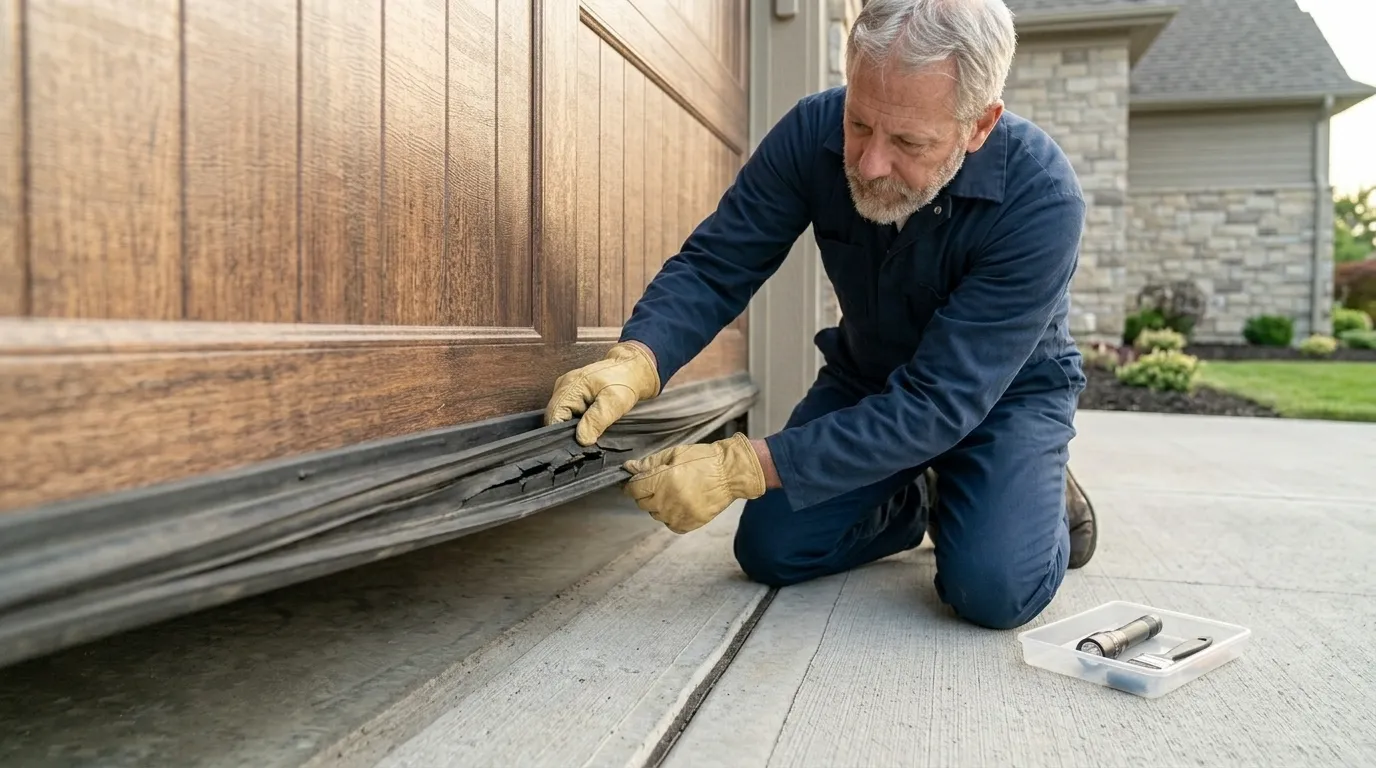
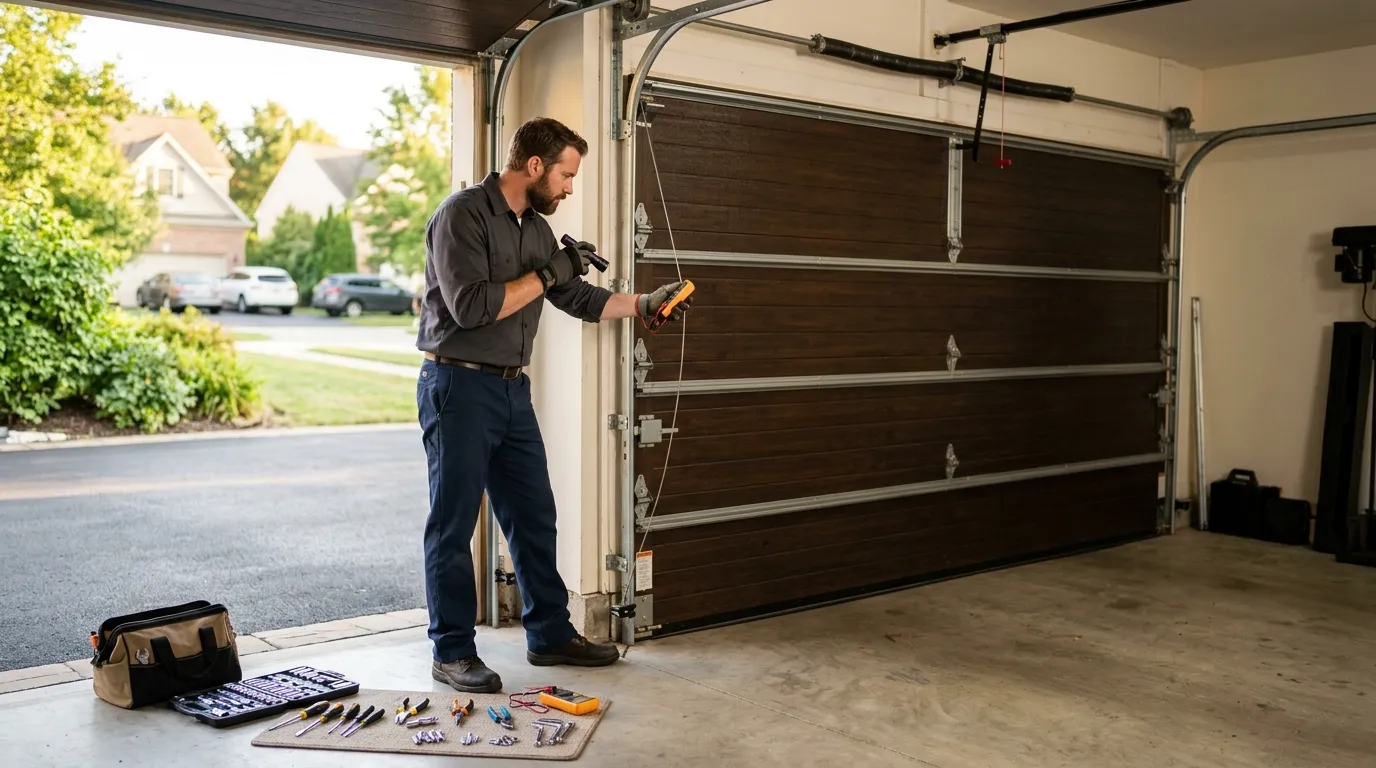
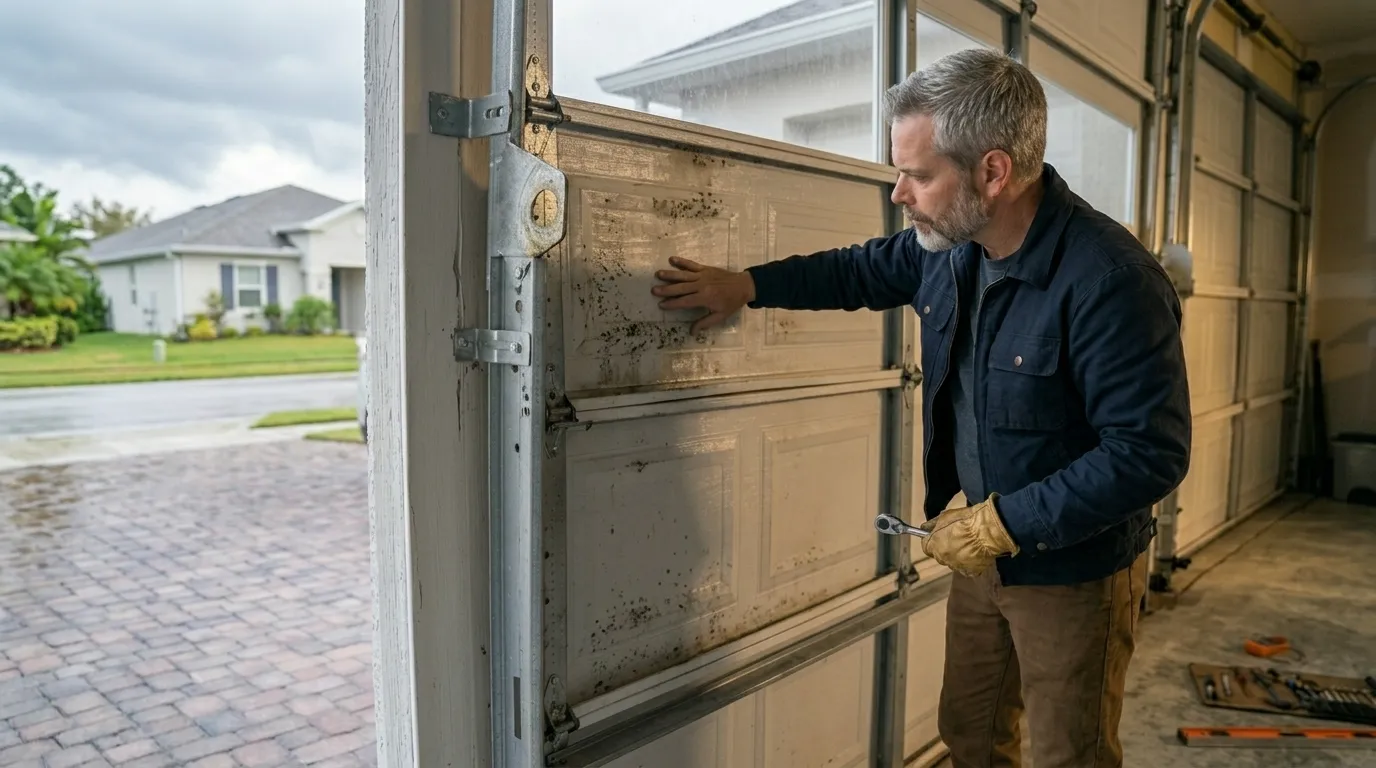
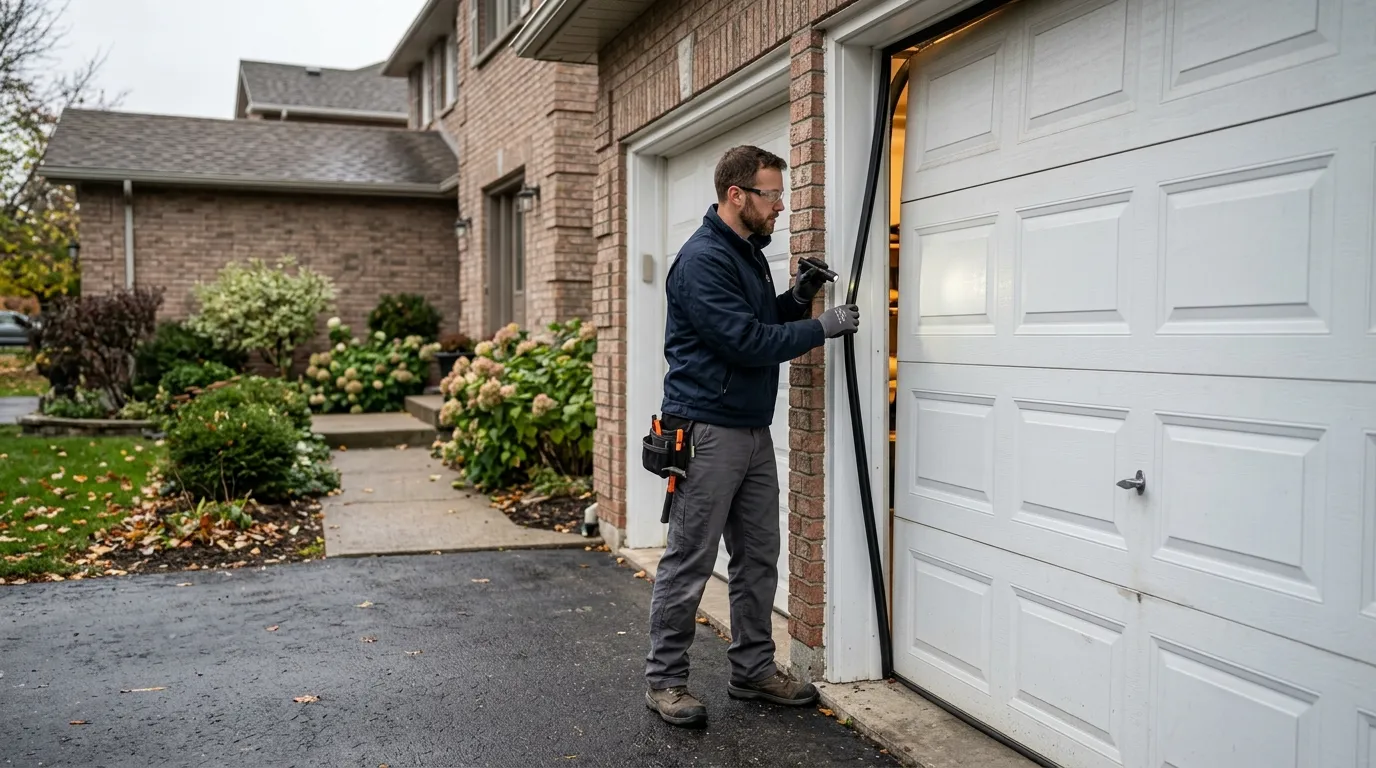
Cheyenne's winters sit in the severe end of the cold climate band, and that matters more for an opener than most homeowners expect. Cold hardens grease in the gearbox, shrinks belt tension, and can make an aging photo-eye sensor throw false readings when frost builds on the lens - all things that show up more on original units from a 1992-era install than on anything newer. Swapping the opener is the easy part. The part that takes the time on a house this age is matching the new unit's force settings to a door and spring system that's thirty-plus years old and has probably never been rebalanced. We check that balance before we mount anything, because bolting a new opener to a door that's fighting worn springs just moves the failure point - it doesn't fix it. If the springs need attention too, we'll say so before we finish the opener job, not after.