How Long You Are Without the Door
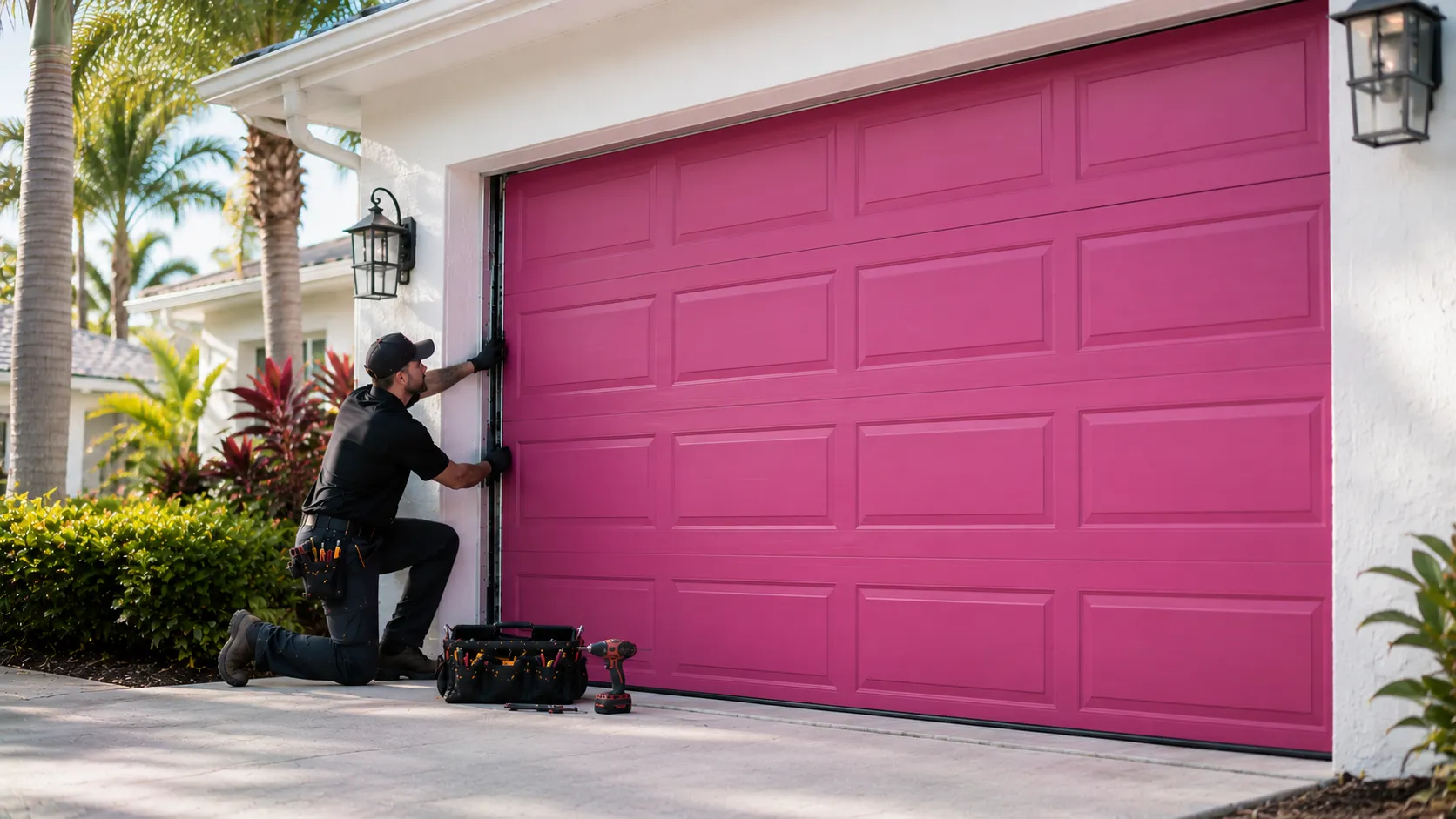
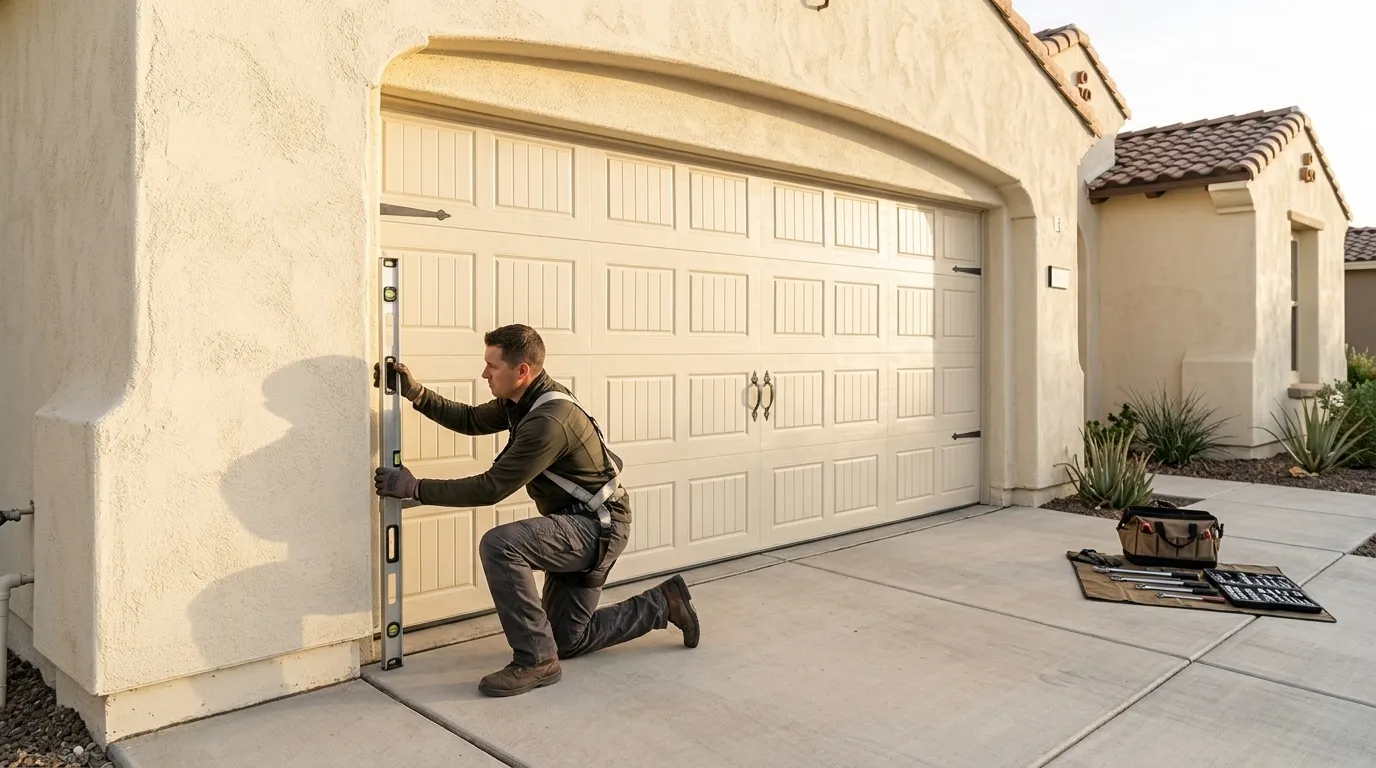
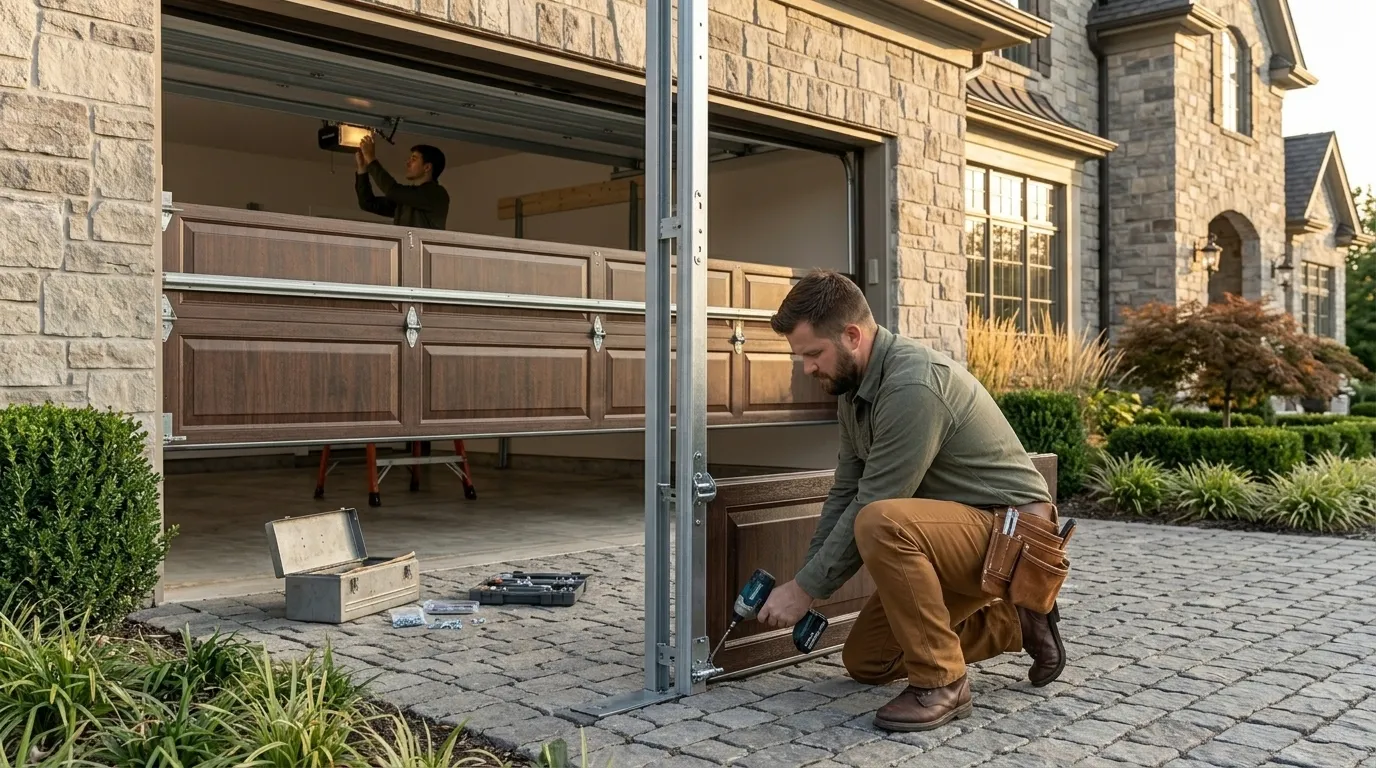
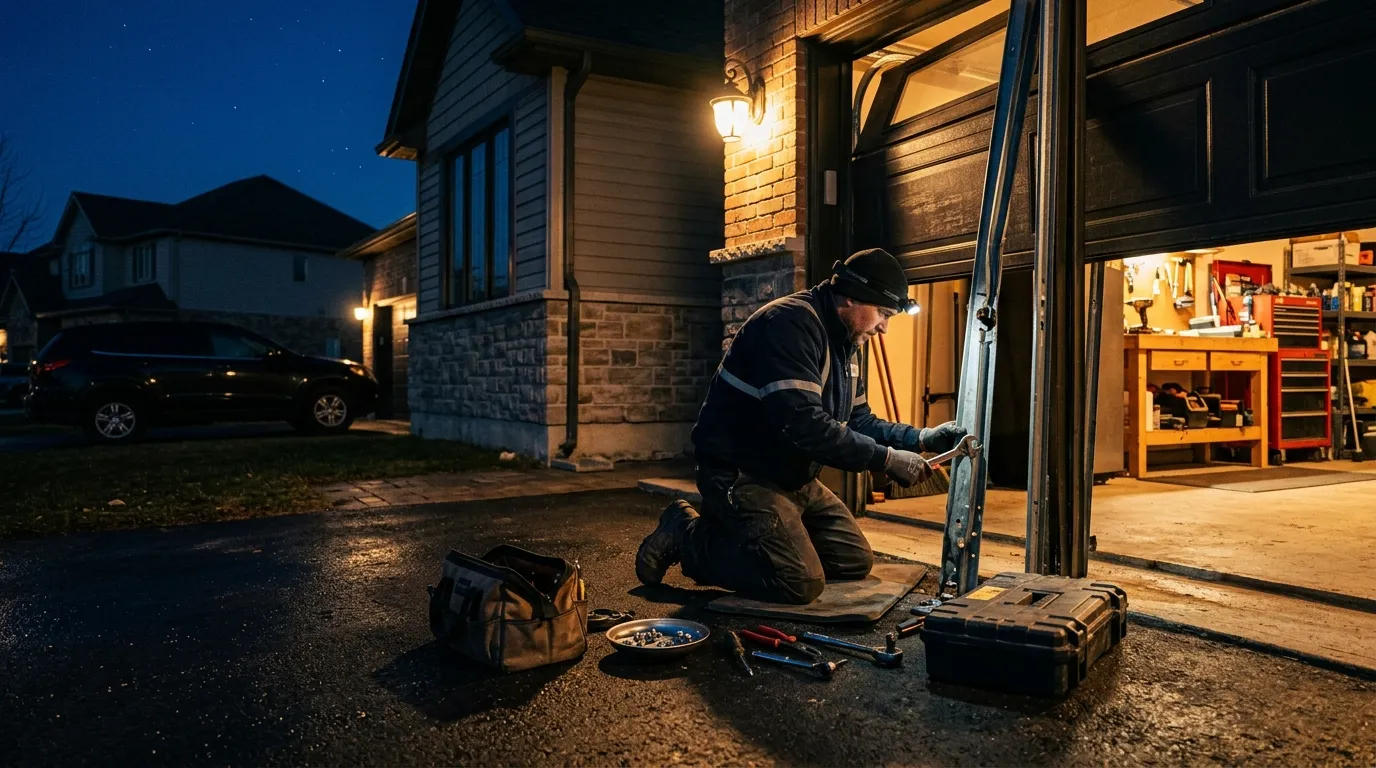
There's no branch sitting in Ranchettes, so every panel job starts with a truck coming six miles in from Cheyenne. That drive is short, but it's still a drive, and it means the visit gets scheduled rather than walked to. Once the crew is on site, a straight panel swap on a standard double door doesn't take long, but that number depends entirely on whether the replacement section is already on the truck or has to be matched first.
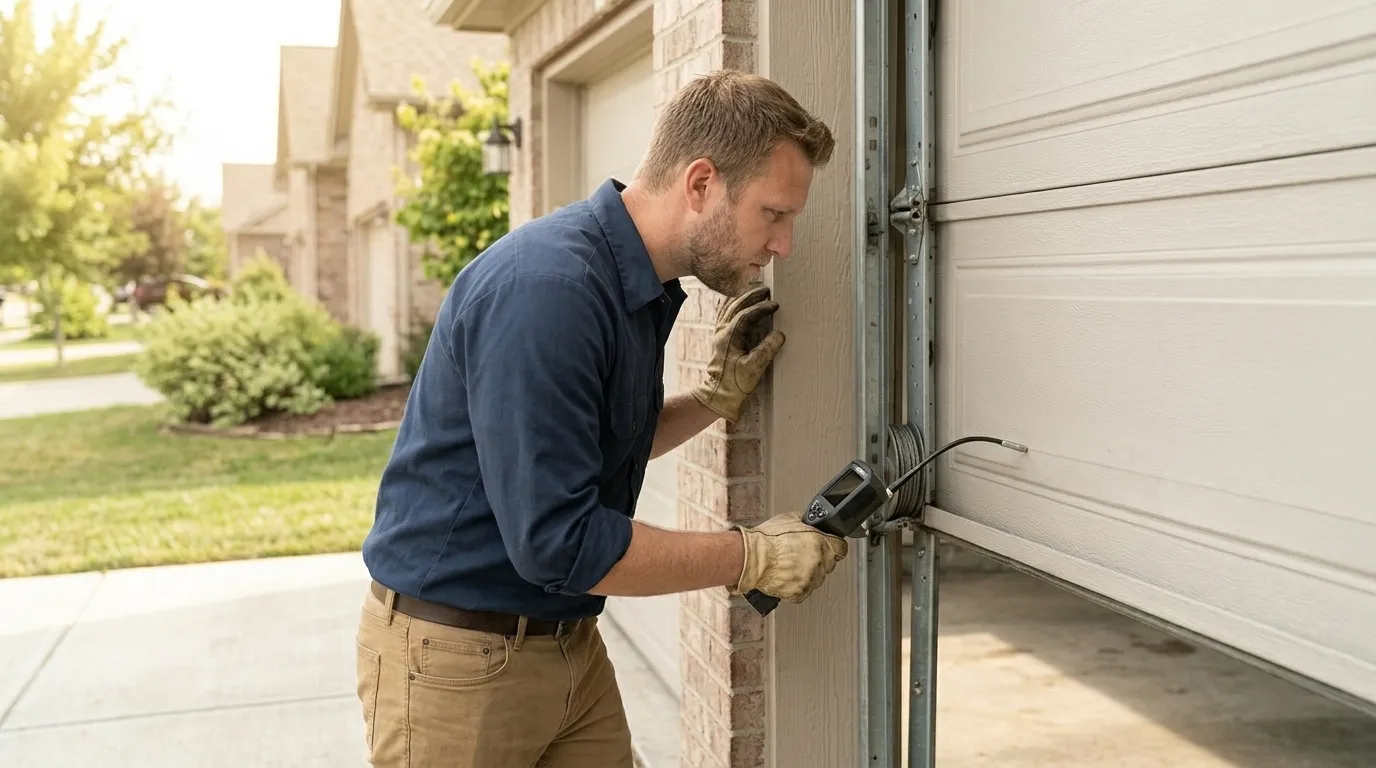
Matching is the real time sink. Houses in Ranchettes mostly went up around 1992, which puts the doors right at the tail end of the run of builder-grade steel doors that went into this part of the service area between 1989 and 1992. A lot of those doors used panel profiles and colors that aren't stocked anymore, so a cracked or caved-in section sometimes means ordering a match rather than grabbing one off the shelf. If your door still has its original panels, expect the visit to include a look at what's actually available before anyone commits to a repair date.
The Cost of This Job
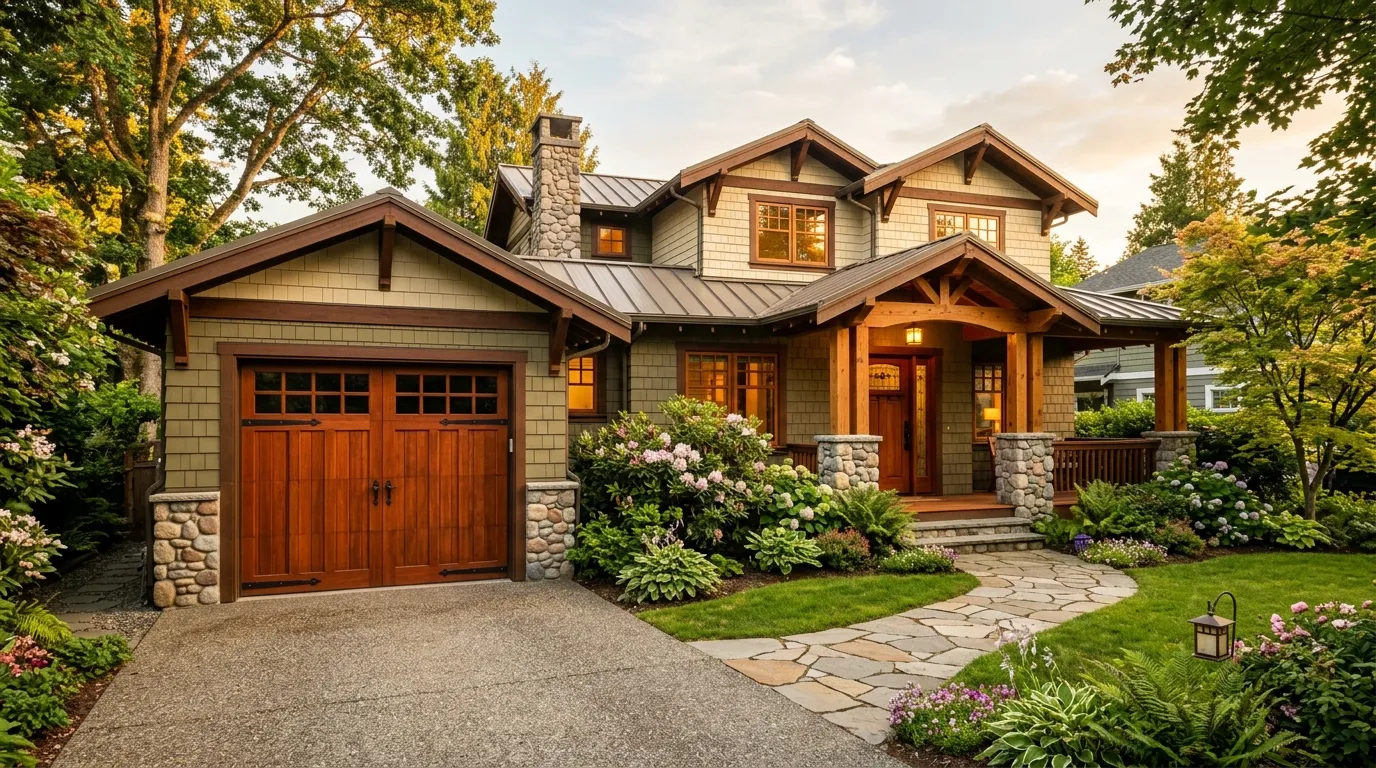
Ranchettes carries a median household income of $124,426, more than double the $53,625 median across the wider Cheyenne service area this company covers. That gap matters for one reason: at this income level, the math on a beat-up panel tips toward replacing the whole door sooner rather than patching one section and living with a mismatched look for years. A single new panel on an otherwise sound door is the cheaper fix in the short run, but if two or three sections are dented, or the door is already thirty-plus years old like most of the stock here, a full door often makes more sense than chasing discontinued panel colors and profiles.
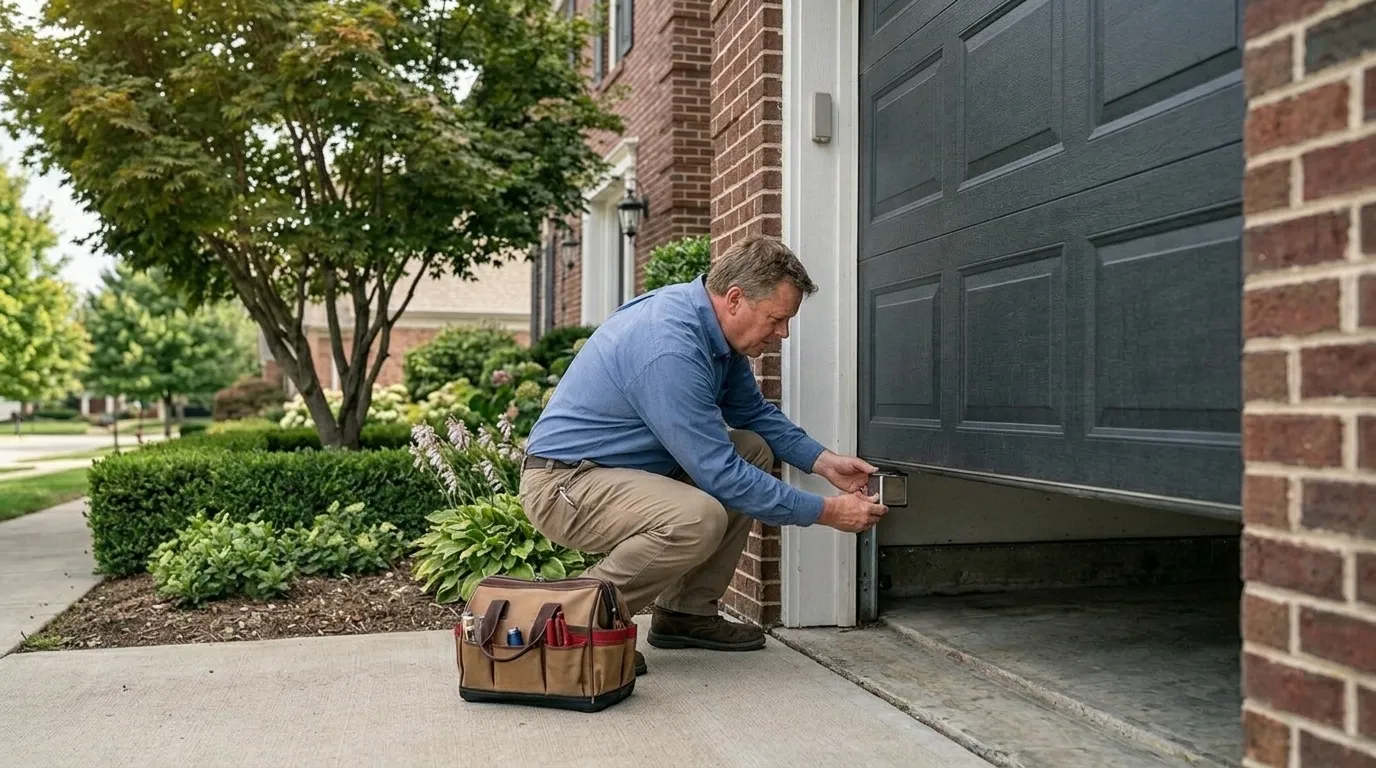
We won't push a full replacement on a door that just needs one section swapped. If the frame is square, the track is straight, and the rest of the panels are sound, a single-panel repair is the honest answer and it costs less. The call comes down to how many sections are damaged and whether a matching panel can still be sourced at all.
What the Repair Takes
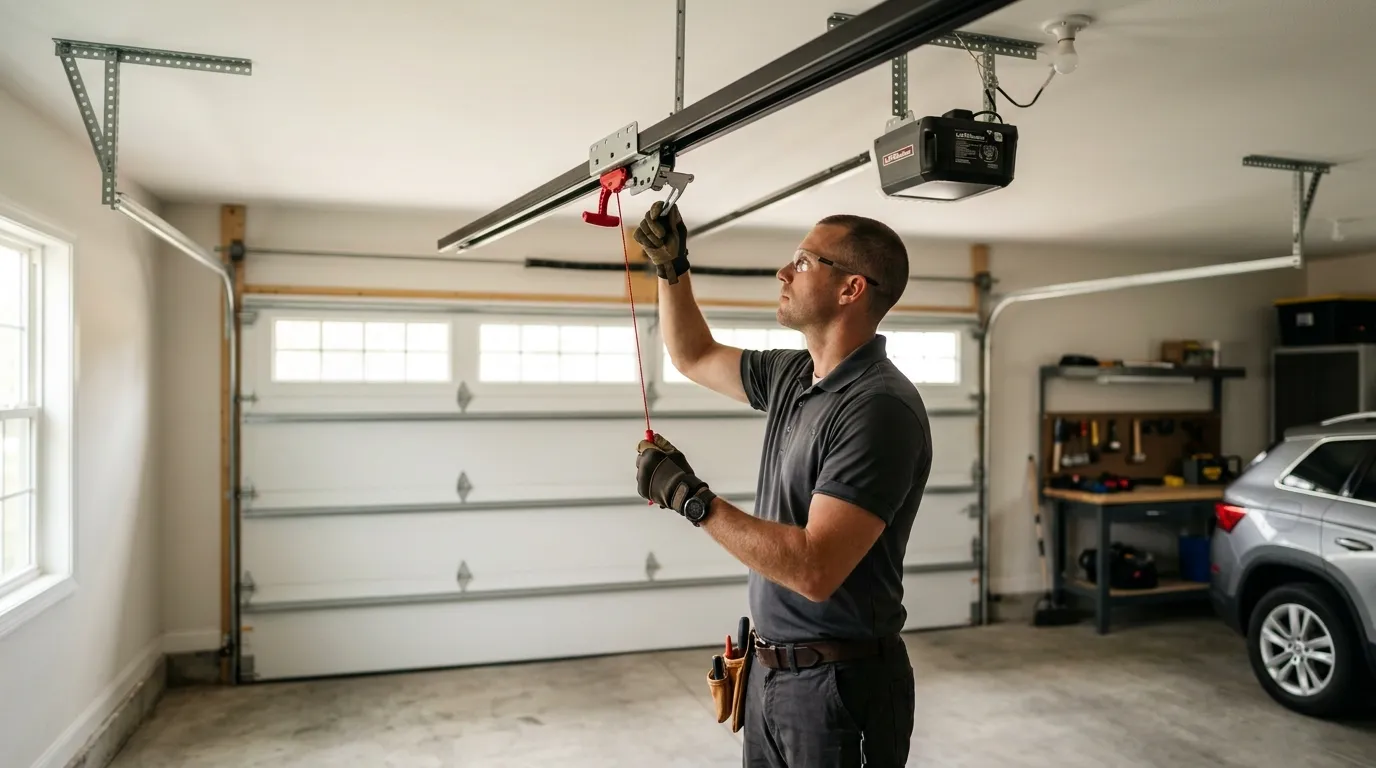
Cheyenne sits in a severe cold climate, and that shapes what goes into a panel job here more than most homeowners expect. A lot of the original doors from this era used thin, uninsulated steel skins, and a bare replacement panel that doesn't match the insulation value of the rest of the door creates a cold spot that shows up as condensation or frost on the inside face come winter. When we swap a panel, we try to match not just the color and profile but the foam backing, so the door performs evenly across all its sections rather than having one cold patch.
The honest limitation here: if your door is old enough that the manufacturer no longer makes that panel style at all, we're not going to pretend a generic substitute is a real match. In that case the choice is a full door replacement or living with a visible seam, and we'll say so plainly rather than sell a fix that won't sit right.