How Long You Are Without the Door
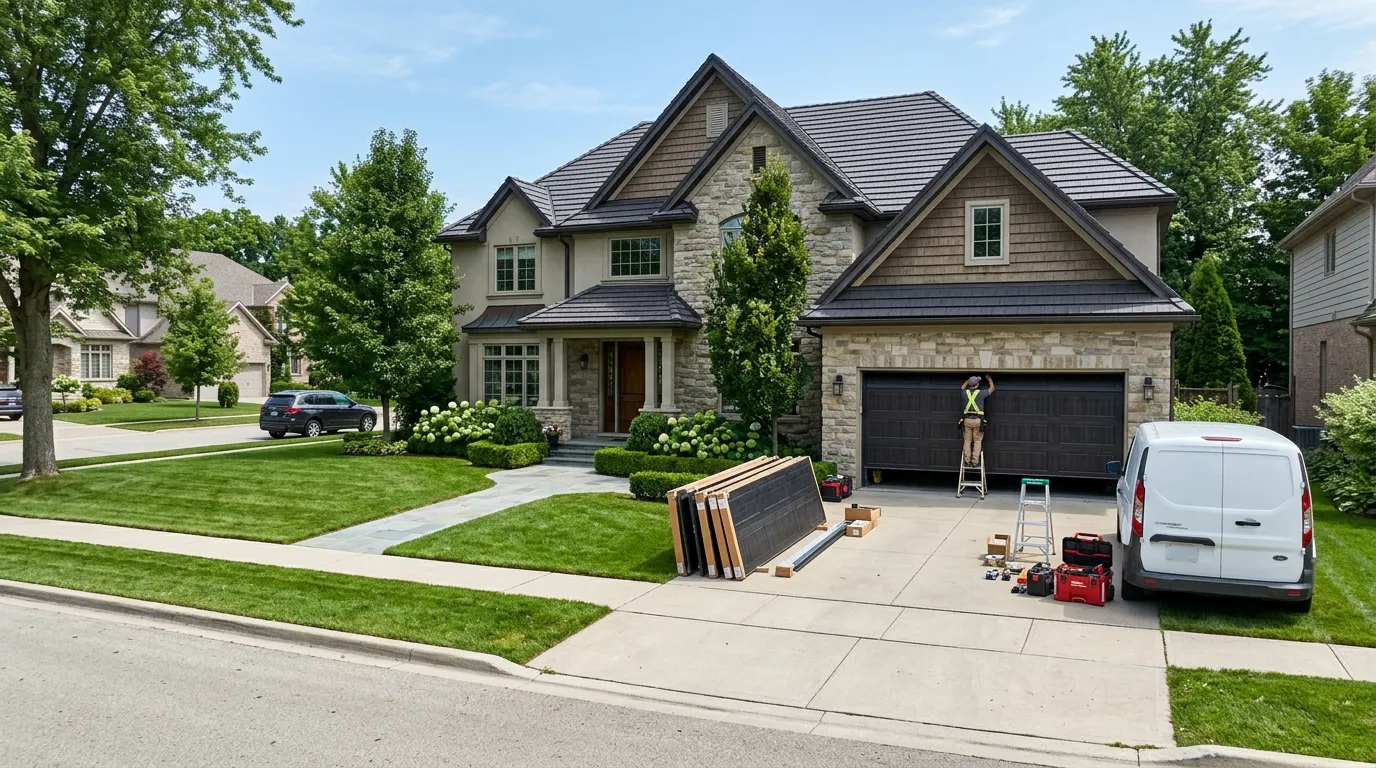
There's no branch out in Ranchettes - every spring call here means a truck making the six-mile drive from Cheyenne. That drive is short enough that a broken spring rarely turns into a multi-day wait, but it does mean the visit gets scheduled, not walked to.
Most of the doors we see out here were installed when the houses went up, right around 1989 to 1992, which lines up with the neighborhood's median build year of 1992. A torsion spring installed then has been cycling for over three decades. That's not a defect, that's just steel doing its job until it doesn't - and when it lets go, it's usually all at once, mid-lift, with the door stuck wherever it happened to be. One visit, one set of springs matched to the door's weight, and the door is back on its track the same day the call comes in.
The Cost of This Job
We don't post a flat number for spring jobs because the size of the door and the number of springs change what parts go on the shaft. What we can tell you about Ranchettes specifically: at a median household income of $124,426, this pocket sits well above the $53,625 median across the wider service area we cover from Cheyenne. That doesn't change what a spring costs - springs are priced by size and cycle rating, not by zip code - but it does mean we're not guessing at whether a repair estimate is going to be a hard sell out here.
Most of the roughly 2,432 households in Ranchettes are on the same factory torsion setup, two springs on a shaft above the door, standard for houses built in the early 1990s. If your door is a double-wide, plan on replacing both springs even if only one broke - the other one is the same age and running the same cycles, and mismatched springs wear unevenly.
What the Repair Takes
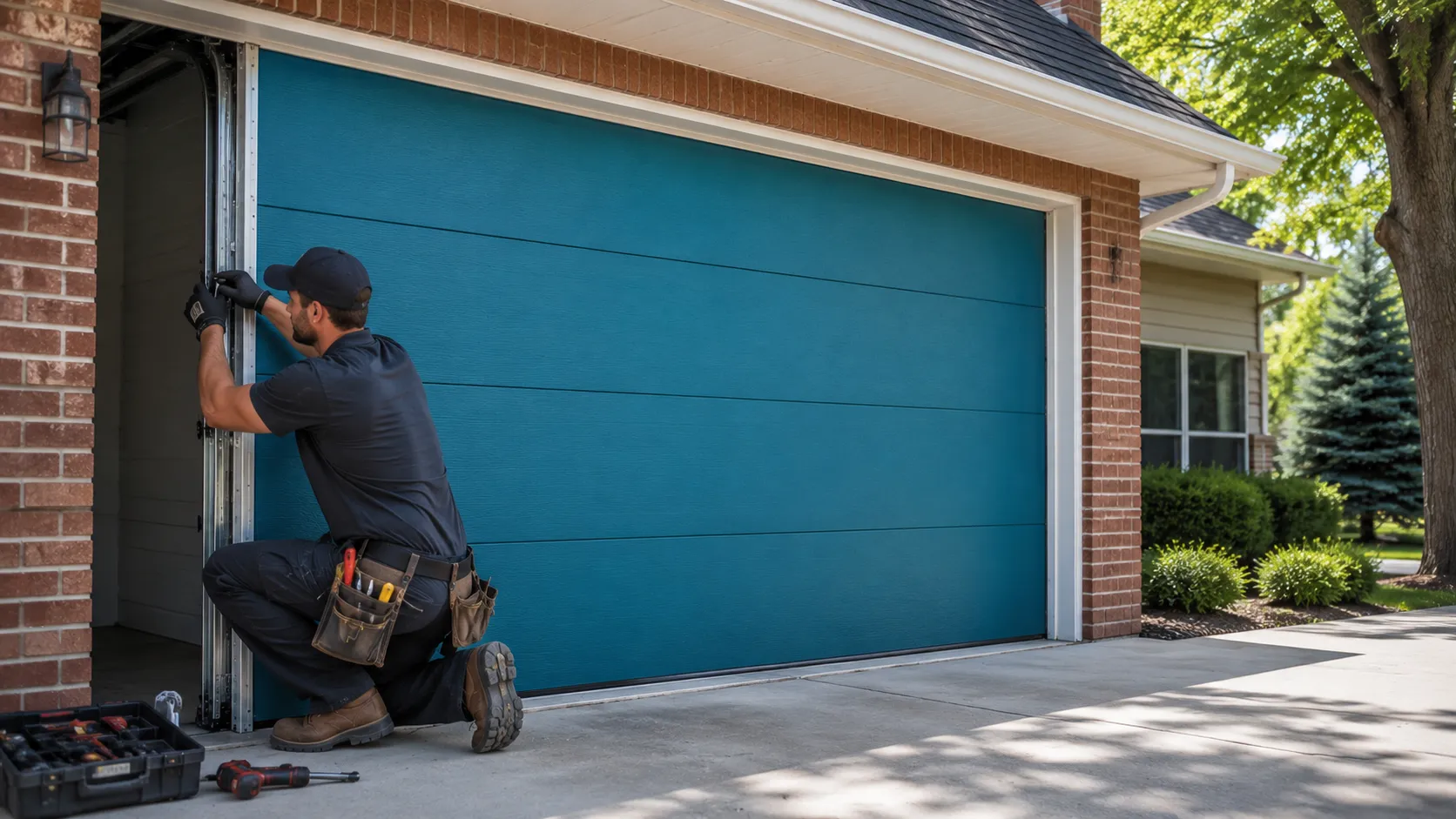
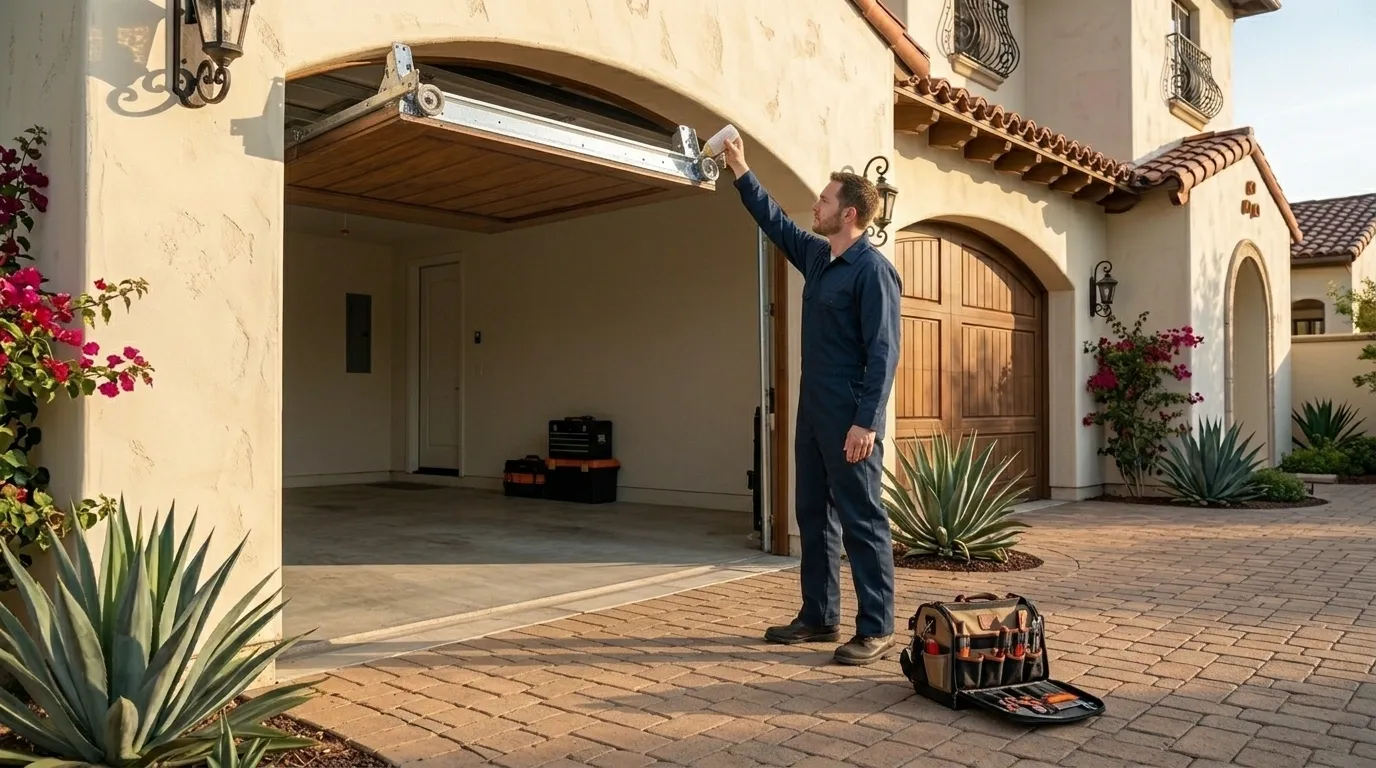
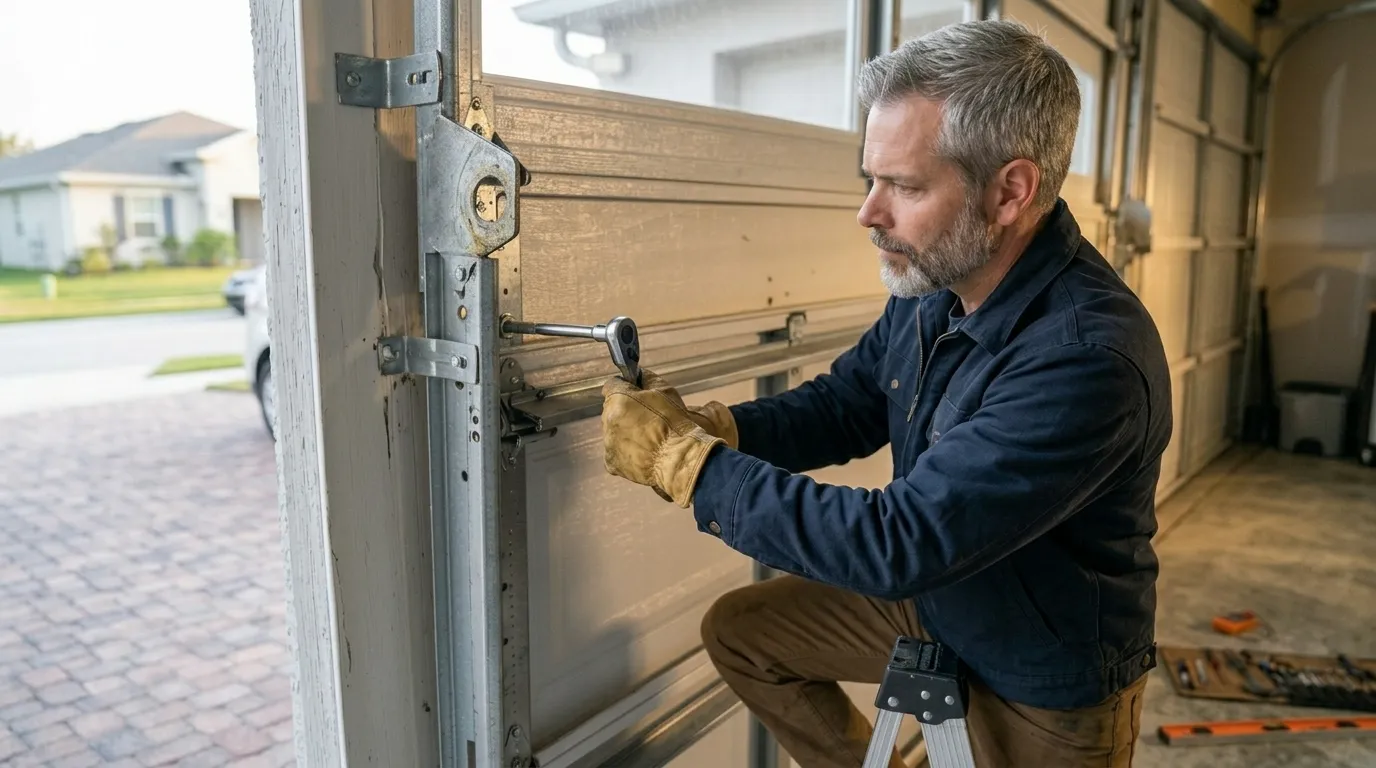
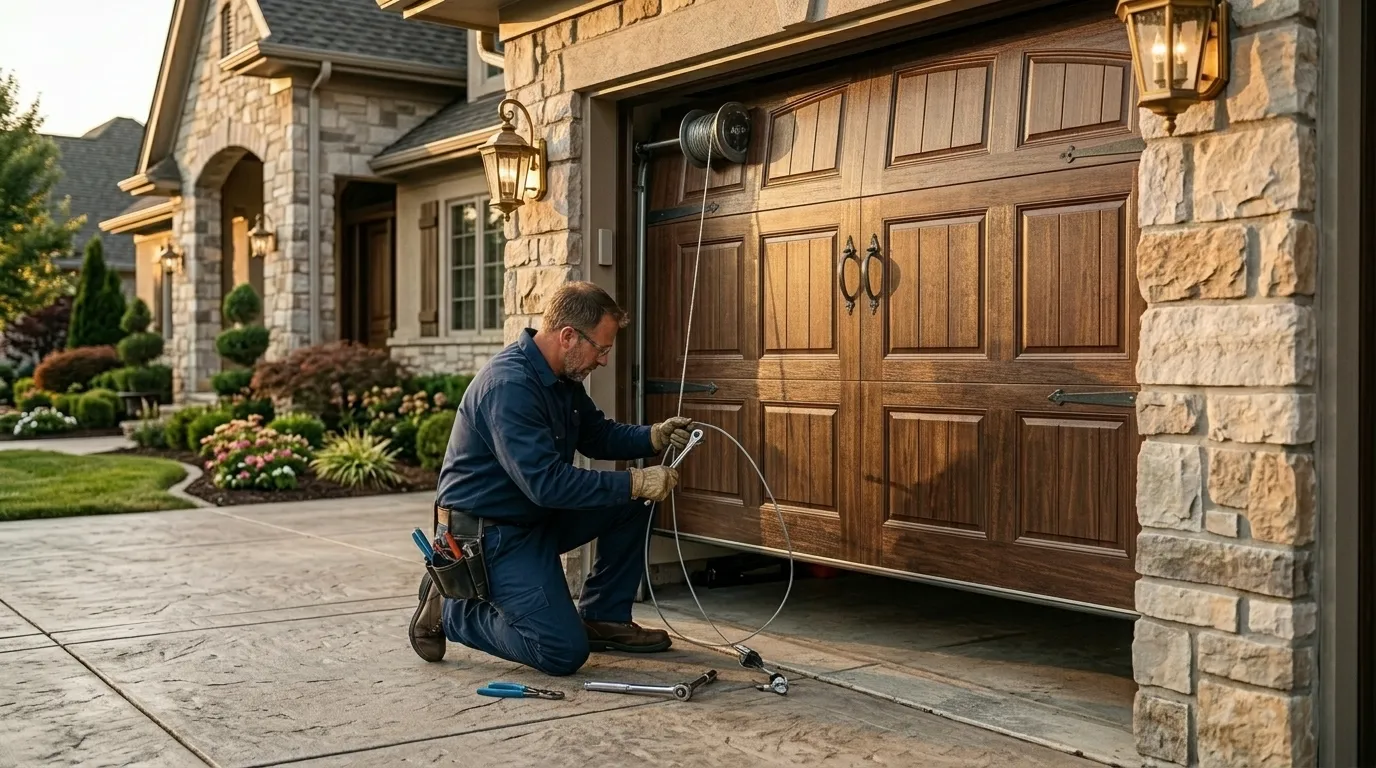
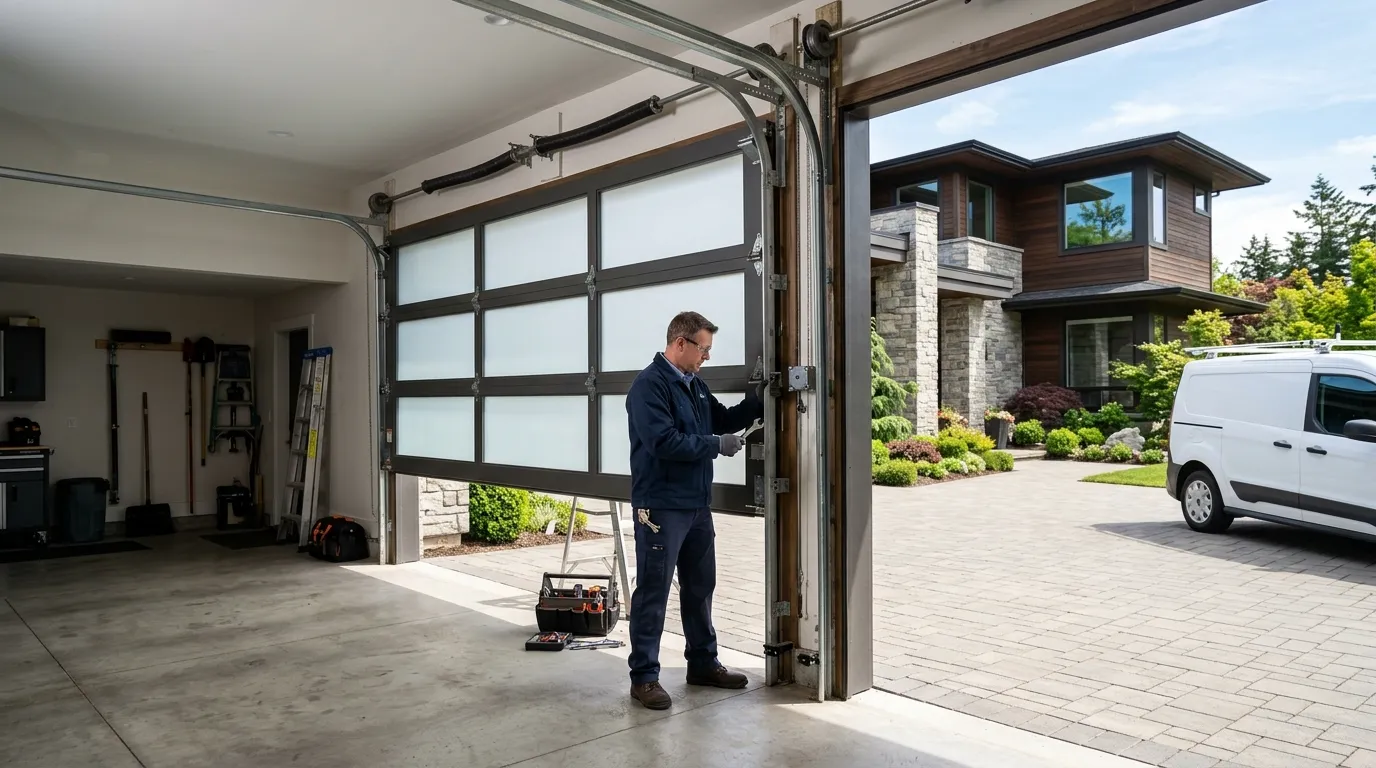
A straight spring swap is a shaft-level job: unwind the old spring under tension, pull it off the tube, set the new one to the door's weight, wind it to the right number of turns, and cycle the door a few times to check balance. On a typical Ranchettes door from the early '90s, that's most of the visit.
What it doesn't cover is a bent torsion tube or a track that's pulled away from the jamb - those show up sometimes on a door that's been run on a broken spring for a while, since the opener keeps trying to lift dead weight against gravity. If that's happened, the spring swap still gets done, but the tube or track is a separate repair, not something we fold into the same ticket. We'll tell you on-site if that's what we're looking at rather than quoting a spring job and finding it mid-repair.
Cold matters here too. Severe winter temperatures make older spring steel more brittle, which is part of why original-equipment springs from a 1990-era build often fail in the cold months rather than gradually wearing out.